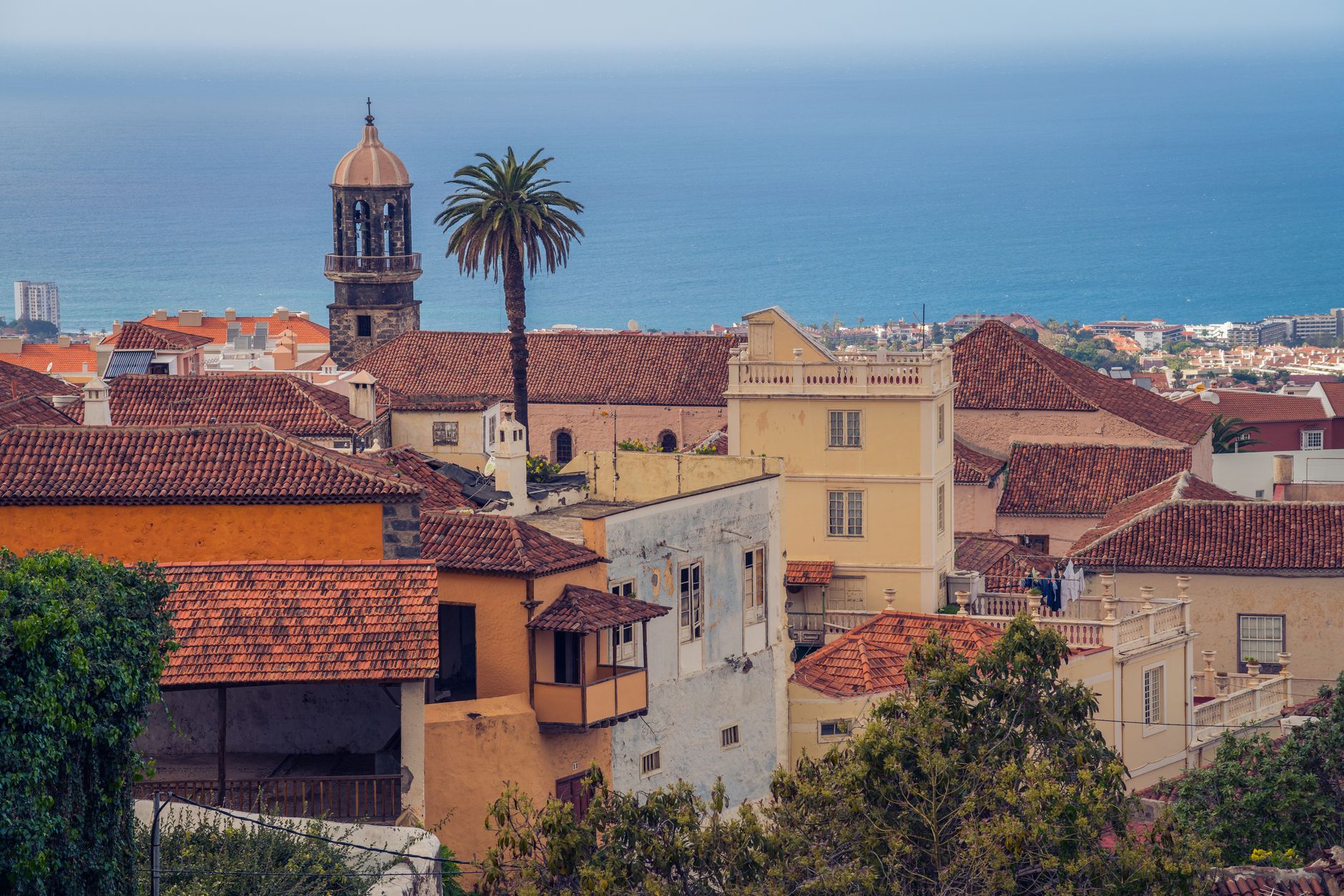
Cane
Flat valley town on the paved road south of La Paz: cheap rooms, easy parking and the best base for the southern hills.
 Main street and roadside comedores in the valley town of Cane, La Paz
Why people stay in Cane
Cane is the practical one. It sits in the flat valley country a short drive south of La Paz town, on paved road, with a plaza, a church, a stretch of main street where the shops and comedores are, and — crucially — enough rooms and enough parking to make it a sensible base for the whole southern half of the department. If you want to see Mercedes de Oriente, San Antonio del Norte, Lauterique and Aguanqueterique without sleeping somewhere with no hot water, you sleep in Cane and drive out each morning.
It is not a beautiful town and nobody will pretend otherwise. It is agricultural and low-rise, hot at midday from March to May, and the visual interest is limited to the church, the plaza trees and the sugar-cane and maize country that starts at the last house. What it has instead is function: pulperías that stock what you forgot, a couple of comedores doing a $3 plate of beans, rice, plantain and chicken, motorbike repair, mobile top-up, and buses passing on the paved road all day rather than pickups at dawn only.
Nine at night in Cane means a comedor still serving, a couple of shops open, motorbikes on the main street and a handful of people on the plaza in the cool. It is one of the few places in the southern part of the department where you can eat a hot meal after 7pm without arranging it in advance that morning. There is no nightlife in the sense of bars with music — expect plastic chairs, a television and beer — but there is life, which after two days in the hill villages feels like a lot.
Come here if you are travelling by car, if you need a reliable bed under $30, or if you are using La Paz as a base for the southern loop and want something quieter and cheaper than the departmental capital. Skip it if you came to Honduras for scenery and colonial streets — Mercedes de Oriente does that far better an hour away — or if you want the coffee country, which is west and north toward Marcala, Chinacla and Santiago de Puringla.
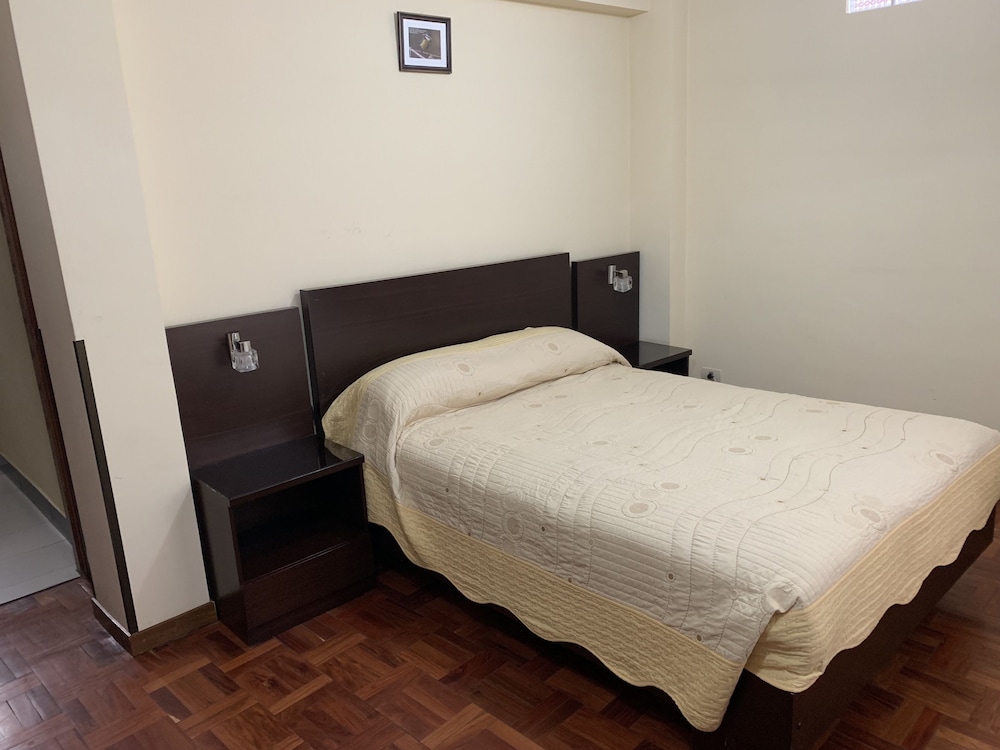
Base yourself within a couple of blocks of the plaza and the main paved through-street: that is where the small hotels and hospedajes cluster, where you can eat after dark, and where buses stop. Expect $22 to $35 a night for a clean room with a private bath, a fan and usually a television, which in this part of Honduras is decent value; a few places touch $40 with air conditioning, worth it in April. Parking is easy and generally free either in a courtyard or on the street outside — ask for a courtyard if you have a loaded vehicle. What to avoid: rooms on the through-street side if you are a light sleeper, because trucks and motorbikes run early, and the very cheapest windowless interior rooms, which get airless in the March to May heat. Cash is safest; some places take cards, most do not.
Things to do in Cane

The comedores along the main paved street through town do a full plate — beans, rice, fried plantain, cuajada, chicken or beef, tortillas — for around $3 to $4, served from about 11am. It is the cheapest reliable hot meal for a long way in any direction, and the portions defeat most visitors.

From here Mercedes de Oriente, San Antonio del Norte and Lauterique are all within roughly an hour on gravel by pickup or 4x4. Leave at 6.30am, spend the morning up top, be back for lunch. This is the single best reason to sleep in Cane rather than in the hills.
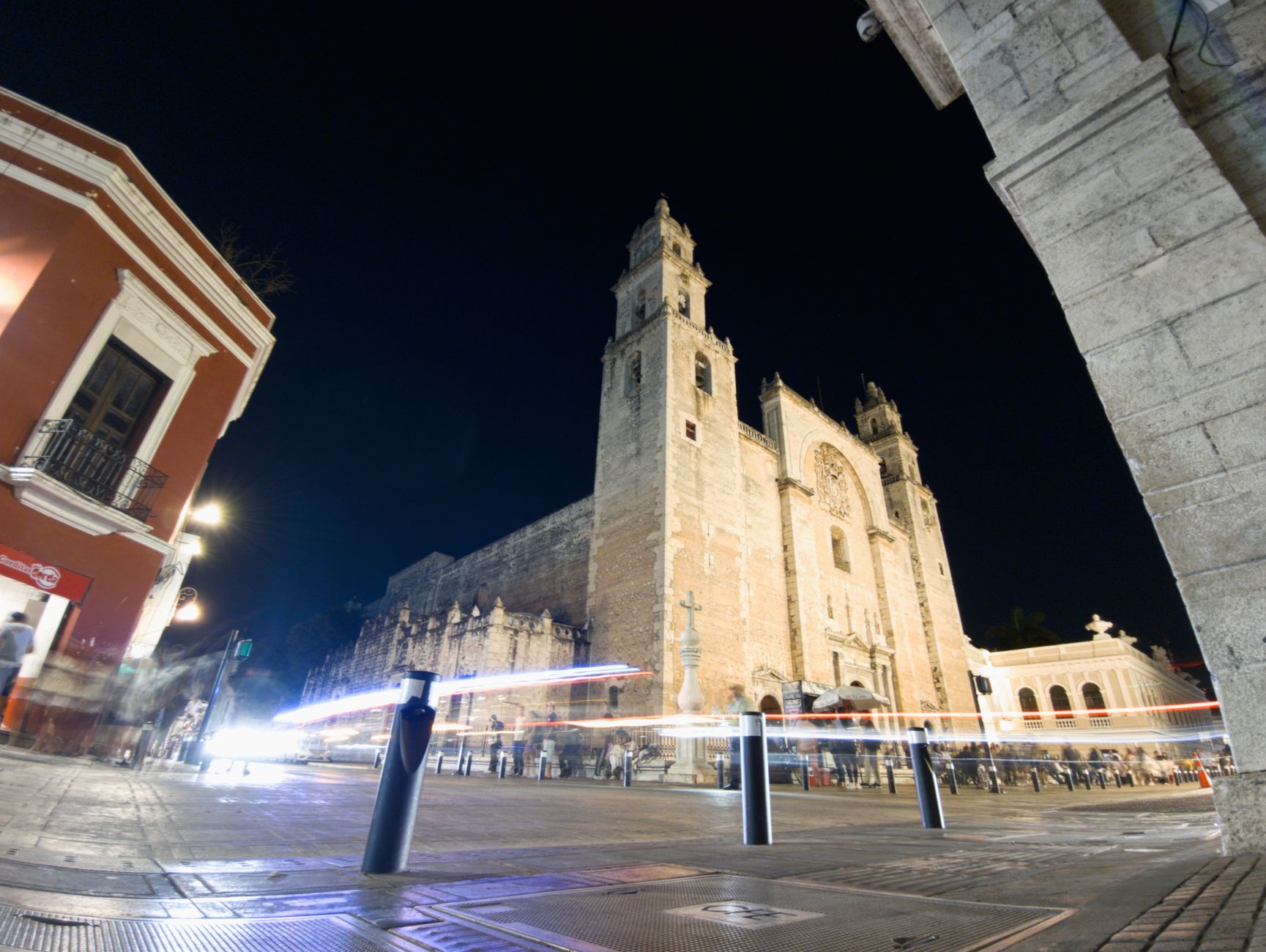
Once the heat drops around 5.30pm the plaza in front of the church fills with families, vendors selling elotes and fried snacks for a dollar or so, and men talking over the day. It runs until about 9pm and it is the town's only real social scene.

Take any track off the last streets of town and within ten minutes you are among sugar cane and maize on flat, easy ground with the southern hills on the skyline. Best between 6am and 8am; from March to May the midday heat out here is punishing and there is no shade.
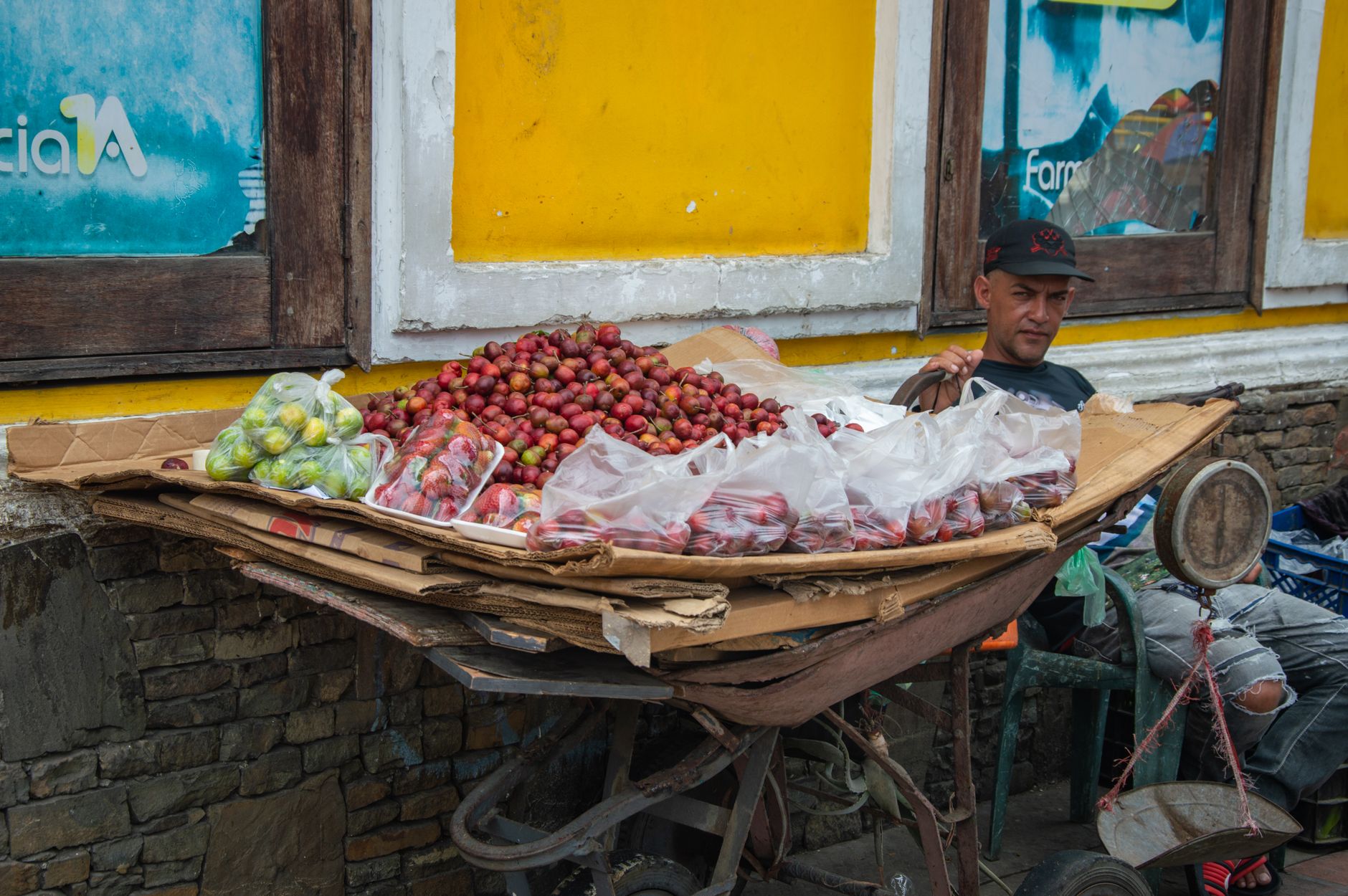
Cane's pulperías and small hardware shops are the last dependable supply point before the southern hill villages, which have no ATM and limited stock. Draw cash in La Paz town, then buy water, batteries, repellent and snacks here for a few dollars before you commit to the gravel.

The departmental capital is a short paved run north, with the market, the banks, better shops and more restaurant choice. Buses and shared cars run frequently for $1 to $2 and take under half an hour, which makes Cane a genuinely viable cheap base for a La Paz trip.
What to see
Hotels near Cane
No hotels are listed in Cane yet. The nearest ones are on the region page.
Getting around Cane
From Toncontín airport in Tegucigalpa, take a taxi or bus into Comayagüela and then a La Paz bus (about 1 hour 30 minutes, roughly $5); from La Paz town, buses and shared cars run south to Cane frequently on paved road for $1 to $2, taking around 20 to 30 minutes. Because the road is paved and busy, you can travel in and out of Cane much later in the day than in the hill villages — a real advantage. Inside town everything is within a ten-minute walk of the plaza. For the southern hill villages you need a pickup, a 4x4 or a seat in one of the morning pickups that leave from near the plaza between 6am and 11am.
Questions about Cane
For the southern half, yes — it is on paved road, has half a dozen places to sleep under $35, easy parking and food after dark, and puts Mercedes de Oriente, San Antonio del Norte and Lauterique within about an hour. For coffee country, base yourself in Marcala or Santiago de Puringla instead.
A short paved run of roughly 20 to 30 minutes by bus or shared car, costing $1 to $2, with services running frequently through the day. That means you can use Cane's cheaper rooms and still spend your evenings or shopping trips in the departmental capital without any planning.
From November to February a fan is plenty. From March to May the valley gets genuinely hot in the afternoon and an air-conditioned room, which pushes the price toward $40, is money well spent if you plan to be in during the day. Avoid windowless interior rooms in those months.
Yes, but only in the morning. Pickups leave from near the plaza roughly between 6am and 11am for $4 to $6 and take about an hour on gravel to villages like San Antonio del Norte and Lauterique. Confirm the return time with the driver, because afternoon services are unreliable.