Where to stay in Guajiquiro: cloud forest area guide
 Mist moving through cloud forest above Guajiquiro in La Paz department, Honduras
Guajiquiro holds the department's best cloud forest, the coldest nights in inhabited La Paz at around 5C in January, and beds from $12 to $30 — but it takes two to three hours of climbing road to get there.
Why people come here at all
Guajiquiro is a high Lenca municipality east of the Marcala plateau, occupying a block of mountain that rises well above 1,800 metres and carries a protected biological reserve of cloud forest on its upper ground. That forest is the reason outsiders make the drive: mist-soaked oaks and pines hung with moss, bromeliads and ferns, birdsong, and a cold, wet, green world that feels nothing like the coffee valleys an hour below. Around and below it lies some of the most productive potato and vegetable ground in southern Honduras, farmed on slopes that look impossible until you see people working them.
The second reason is cultural. This is Lenca country where the agricultural calendar and the community ritual life, including composturas marking planting and harvest, remain a living part of the year rather than a heritage display. Neither reason is packaged for visitors. There is no ticket office, no visitor centre, no signed trail network. What you get is a village, a forest above it, and people who will help if you ask properly.
What a night costs and what form it takes
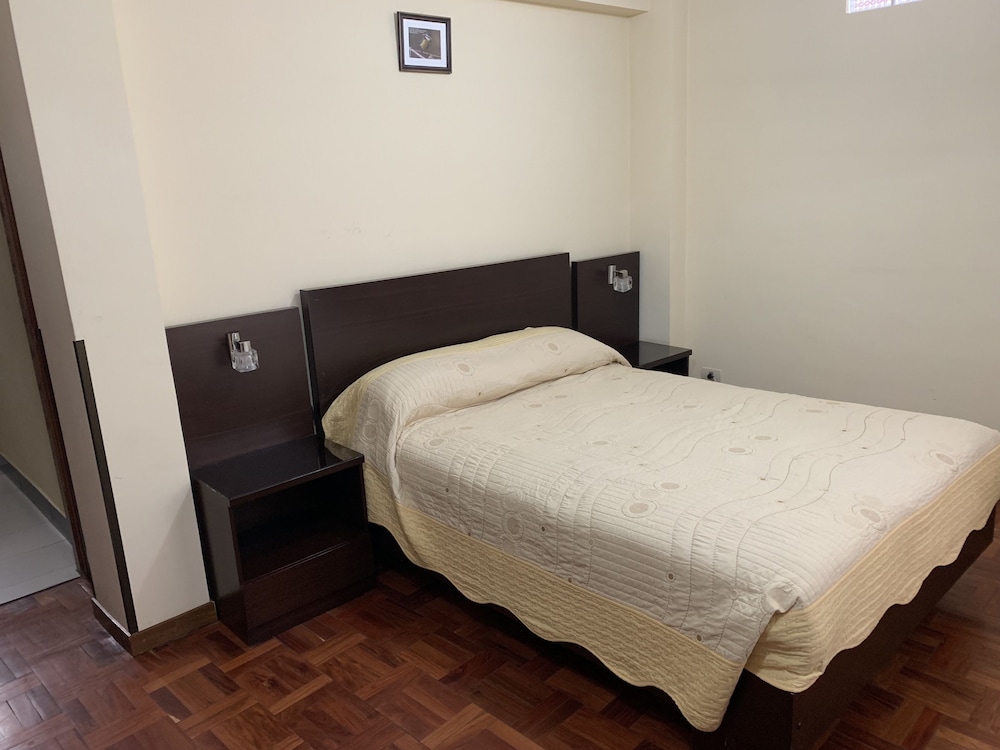
Expect $12-30. At the lower end, a room in a family house or a basic hospedaje in the municipal seat: a bed, several heavy blankets, a shared bathroom, cold water. Toward the top end you may find a simple cabin or a room with a private bathroom and an electric shower head, sometimes run on a community basis in connection with the reserve. Meals are arranged rather than ordered, typically $3-5 a plate, and they will be built around beans, eggs, tortillas, potatoes and very good coffee. Everything is cash; there is no dependable ATM.
Compared with the rest of the department this is cheap — half a mid-range Marcala room, a quarter of a comfortable one in La Paz Centro — but slightly above the neighbouring highland villages of Opatoro and Yarula because a small amount of provision exists for people coming to see the forest. The genuine expense is getting here. A hired vehicle and driver from Marcala for a round trip runs roughly $90-140 for a day, and if you are staying two nights you will be arranging transport in and out separately.
The cold, and why it changes your packing
This is the coldest inhabited ground in the department. December and January nights can fall to around 5C on the higher aldeas, with wind on the ridges and cloud that keeps the sun off for entire days. Buildings are unheated, walls are thin, and the only local answer is blankets. Bring a fleece or down layer, a hat, gloves if you sleep badly in the cold, and thermal base layers. Nothing warm can be bought here beyond a heavy blanket, and arriving in a T-shirt and a rain jacket is a mistake people make every single dry season.
Daytime is a different proposition. In the dry months, from late November to April, the sun at altitude is strong and afternoons on the open slopes can feel like 20-24C, so you will shed layers by ten and want them all back by five. In the forest itself it stays cool and damp year-round. Waterproofs are worth carrying in every month, because cloud forest earns its name and a clear morning does not predict a clear midday.
Walking the reserve
The forest is reached from the village by track, and the walk up through farmed slopes into standing cloud forest is the whole experience: you can watch the vegetation change over a couple of hundred metres of ascent. Arrange a local guide in the village, agree a price for the morning, and expect to pay somewhere in the range of $10-25 for a half day depending on how far you go and how many of you there are. That fee is not just for route-finding — it is also the mechanism by which your visit puts money into the community that maintains the ground.
Practicalities: start early, ideally on the trail by 7am, because mist thickens through the day and visibility can drop to a few metres by afternoon. Wear boots with real grip, because the ground stays greasy even in the dry season. Carry water and food from the village since there is nothing above it. Do not walk alone off the main tracks. And keep expectations honest about wildlife: you will hear far more than you see, and the reward is the forest structure and the atmosphere rather than a checklist of animals.
Who should book Guajiquiro and who should not
Book it if the cloud forest is a genuine interest, if you have at least two nights to spare, and if you have a vehicle or the budget for a driver. Book it if you are content with basic rooms and cold bathrooms in exchange for waking up in mountain silence at 1,800 metres. Book it if you want to see Lenca highland agriculture at its most extreme — potato ground cut into slopes that would be forest anywhere else. Two nights is the right length; three if you want a full day in the forest and a full day in the villages.
Do not book it as a stop between other places, because there is no through route that makes it convenient. Do not book it with young children unless you are experienced with rough mountain roads. Do not book it in September or October unless you accept that the road may close and you may lose a day. And do not book it if the highlight of your day is a hot shower and a restaurant, because neither is reliably available, and the version of this trip that works for you is a day visit from a Marcala base.
Getting in and out
Access is from the Marcala side and from the Tutule corridor, and either way you are looking at two to three hours of climbing road with long unpaved sections, tight bends and no barriers. Shared pickups and small buses run on the usual pattern — down to the market towns in the morning, back up around midday — for $4-7 a seat, which means arriving by public transport commits you to a night. Confirm departure points and times the day before, in person, and be there early because vehicles leave when full.
Driving, take high clearance year-round and four-wheel drive from May to October. Fill the tank before you leave the market town, because fuel up here is informal and expensive when it exists at all. Never drive the final approach after dark. If you are not confident on loose mountain gravel, hire a driver who runs the route regularly: at $90-140 for a day it costs more than three nights of lodging, and it is still the correct decision for most first-time visitors.
What is in the village, and what to bring instead
The municipal seat has a church, municipal offices, a school, a few pulperias and one or two comedores that open around the working day rather than to a posted schedule. That is the entire commercial centre and you can walk it in five minutes. There is no bank, no reliable cash machine, no pharmacy with meaningful stock, and no shop selling outdoor gear. Mobile signal is patchy and depends heavily on which operator you carry and which ridge you are standing on; treat wifi as nonexistent.
So bring it with you from Marcala: cash in small notes with a margin for an extra night, any medication, a power bank, a torch, water treatment or bottled water, snacks for the trail, waterproofs, boots and the warm layers you will not find here. Bring something to share as well — coffee, bread, fruit from the Marcala market — because you will be a guest more often than a customer. And tell somebody at your Marcala lodging where you have gone and when you expect to be back.
Before you book
The questions people ask about Marcala, answered with this month’s numbers.
Some, at a basic level. Alongside rooms in family houses at $12-20 there is simple community-linked lodging connected to the reserve, occasionally with a private bathroom, running toward $30. Nothing is bookable online, everything is cash, and arranging it through a Marcala contact before you travel is far safer than arriving and hoping.
Two nights. One day to arrive on a road that eats most of the daylight, one full day to walk into the cloud forest with a guide starting at 7am, then out on the third morning. A single night means you drive for five hours to see the forest for two.
Roughly $10-25 for a half day, depending on the route and group size, arranged in the village on arrival or the evening before. It is not optional in practice: paths are unsigned, the mist closes in fast, and the fee is how your visit supports the community that looks after the ground.
Late November to March. Roads are firmest, the skies clear more often, and the cold nights around 5-8C come with bright days. September and October carry the highest risk of the approach road becoming impassable, and cloud can sit on the forest for days at a time.