Guajiquiro
Cold Lenca highland town above 1,900 m, pine forest, communal land councils and the plainest, cheapest beds in the department.
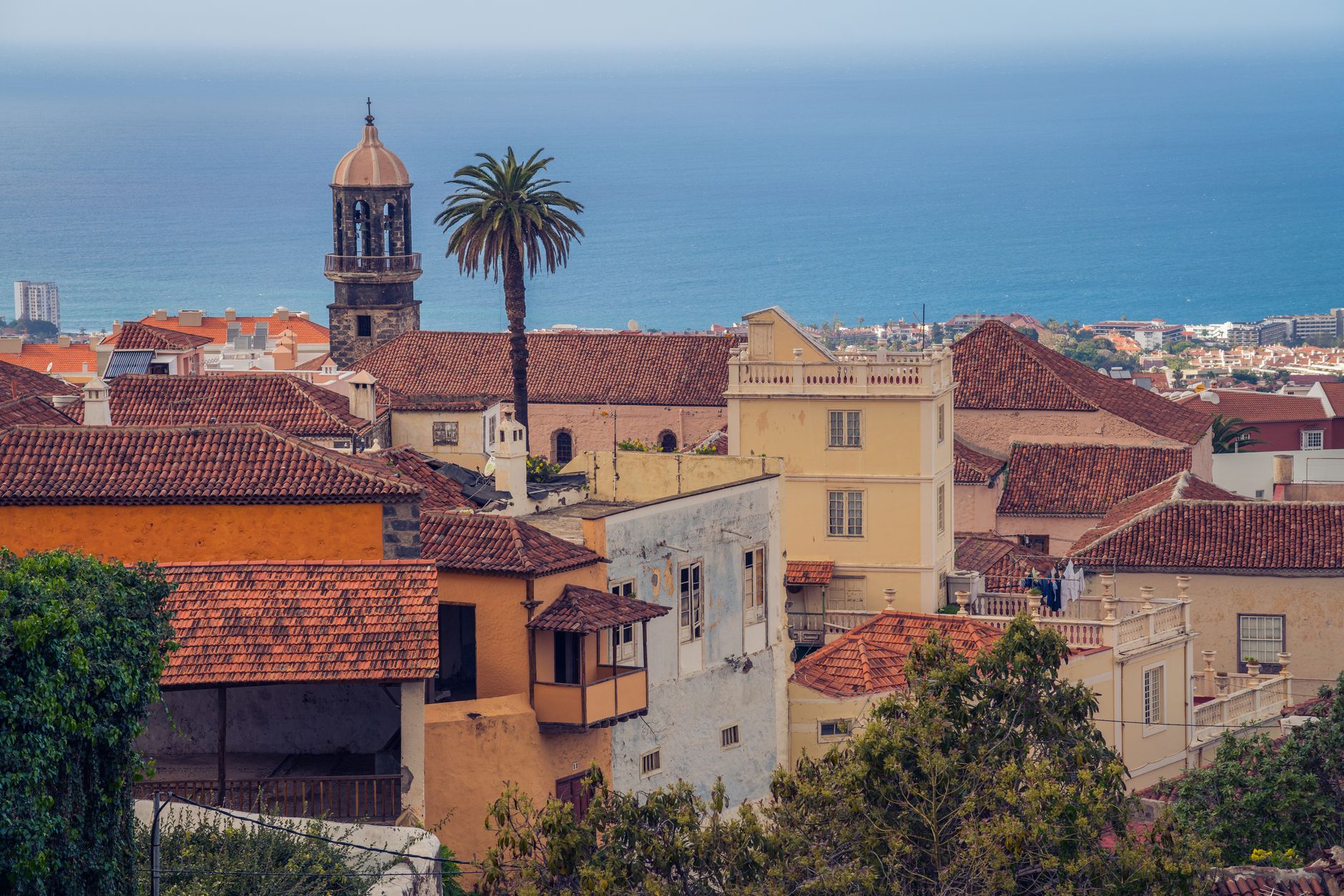
 Pine ridges and cloud sitting below the church at Guajiquiro, highland La Paz
Why people stay in Guajiquiro
Guajiquiro sits high on the ridge west of La Paz Centro, around 1,900 metres, and it is genuinely cold — not cool, cold. From roughly November to February the wind off the pines cuts through anything lighter than a fleece, and rooms here rarely have heating of any kind, just a stack of thick wool blankets on the bed. This is one of the oldest continuously Lenca towns in Honduras, with an active indigenous council that still allocates communal forest and water rights. Come for that, for the forest, and for the silence. Do not come for restaurants.
The town is small enough to cross in twelve minutes. Everything happens around the church and the small plaza in front of it: the two comedores, the pulpería that sells batteries and instant coffee, the pickup that leaves for La Paz. Lunch at a comedor is $3 to $4 — beans, eggs, cuajada, thick hand-patted tortillas, coffee grown within ten kilometres. By 7pm the plaza is empty. By 8pm the last generator noise stops and you can hear dogs three ridges over. There is no bar worth the name and nobody minds.
This suits hikers, birders, coffee people and anyone who wants to be somewhere that has not been arranged for visitors. The pine-oak forest above town holds quetzals in the wet season and the trails are real trails, used daily by people carrying firewood. It does not suit anyone who needs a hot shower on demand, reliable data signal, an ATM, or a room after 8pm without having called ahead. There is no bank in Guajiquiro. Bring cash from La Paz Centro or Marcala — enough for the whole stay plus the ride out.
The other thing to understand: Guajiquiro is a municipality of scattered aldeas, and half the interesting places — waterfalls, the high páramo-like grassland, communal forest — are an hour of dirt road beyond the town centre. Without a high-clearance vehicle you are dependent on the morning pickups, which go when they are full and not otherwise. Plan on losing a day to logistics and you will enjoy it. Plan on a tight schedule and you will be furious by Tuesday.
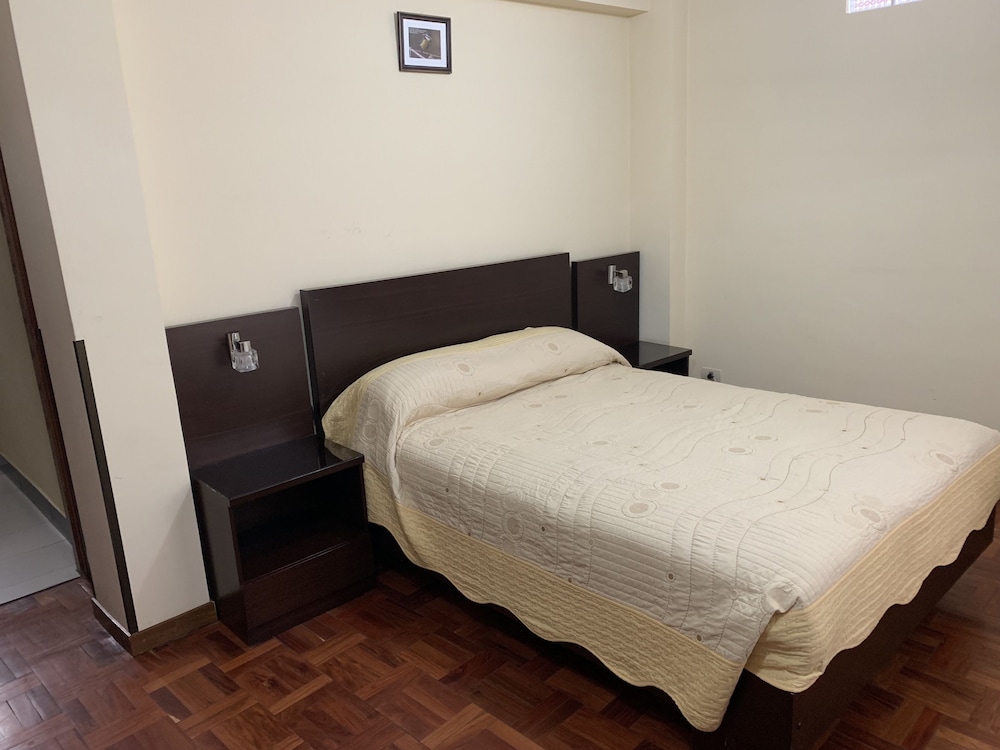
There are maybe four places, all of them small hospedajes within three blocks of the church, and all of them $12 to $25 a night. The best of them are the ones on the street running uphill from the plaza toward the school — newer construction, tiled floors, an actual electric shower head rather than cold water only. Ask specifically whether there is hot water and whether it works, because the answer is often no in practice. Ask for two blankets even in April. Avoid rooms on the ground floor at the back of older buildings; they hold damp badly at this altitude and smell of it. Nothing takes cards, nothing has a website, and reservations happen by phone the day before at best. If you arrive on a Sunday afternoon after a fiesta weekend, everything may genuinely be full — have Santa María or La Paz Centro as a fallback and leave by 3pm.
Things to do in Guajiquiro

From the church, take the track north past the school and keep climbing. Within twenty minutes you are in tall pine-oak managed by the indigenous council. Firewood collectors use it from dawn; you will meet people with machetes and mules and everyone says good morning. Go before 10am for cloud and birdsong.

The church on the plaza fills to standing on Sunday morning, and the singing is the single most memorable thing in Guajiquiro. Lenca families come in from aldeas hours away on foot. Stand at the back, do not photograph faces, and stay for the twenty minutes of talking outside afterwards.

Ask at either comedor on the plaza who is selling and someone will walk you to a house with sacks in the front room. A pound of local honey-process or washed arabica runs $4 to $7 — cheaper than Marcala's shops and roasted in a drum out back. Bring your own bag.

Pickups load at the corner of the plaza between 5.30am and 7am for aldeas like Cerro Grande and beyond, $2 to $4 depending on distance. You get an hour of ridge road, cloud below you, and a village that sees maybe two outsiders a year. Confirm the return time before you get out.

Both comedores face the church and both do the same thing well: fresh cuajada cheese, refried beans, eggs, and tortillas patted while you wait. Breakfast $2.50, lunch with meat $4. Open roughly 7am to 6pm, closed early on Sundays. This is the only food in town after dark, so eat before 6pm.

Five minutes uphill from the plaza on the west side, the cemetery sits on an open shoulder with a clean view east across the whole valley toward La Paz. On clear mornings between December and March the cloud sits in the valley floor and you are above it. Bring a jacket; it is near freezing.
What to see
Hotels near Guajiquiro
No hotels are listed in Guajiquiro yet. The nearest ones are on the region page.
Getting around Guajiquiro
From La Paz Centro, pickups and the occasional minibus leave the market area on Calle Comercio for Guajiquiro in the morning, mostly between 6am and 10am, $3 to $5 for a ride of roughly two hours on a road that is paved for the first half and rough dirt after. Afternoon departures thin out badly and there is often nothing after 2pm in either direction. From Tegucigalpa's Comayagüela terminals, take any La Paz bus (about two hours, $4) and change. A private pickup hired in La Paz runs $50 to $70 one way. Inside town you walk — nothing is more than a ten-minute stroll from the church — but reaching outlying aldeas needs a 4x4 or the dawn pickup.
Questions about Guajiquiro
Sometimes, and not reliably. A couple of the newer hospedajes have electric shower heads that work when the voltage holds up; older places are cold water only. Ask before you pay, and ask them to demonstrate. At 1,900 metres a cold shower in January is a serious decision, so plan to wash in the middle of the day when the air is warmest.
Yes, to the town itself, on the morning pickups from La Paz Centro for $3 to $5. The road is rough but passable in an ordinary car in dry season if you drive slowly. What you cannot do without high clearance is reach the outlying aldeas and waterfall trails, especially between June and October when the dirt turns to grease. Budget on walking or hiring a local pickup.
No. The nearest reliable cash machines are in La Paz Centro and Marcala. Bring everything you will need in small notes, because a hospedaje charging $15 a night will not break a large bill, and neither will the comedores. Card payment does not exist here at any establishment.
Between December and February the town regularly drops to 6 to 9 degrees overnight, and the high grassland above it goes lower, with occasional frost. Rooms are unheated. Bring a warm layer, a hat, and ask for a second blanket on arrival rather than at 11pm. Days are pleasant, often 20 to 23 degrees and bright, which fools people into packing wrong.