Best markets in La Paz
Four markets worth your morning across La Paz department, where $5 buys a bag of produce and $10 buys a pound of Marcala coffee. Go before 9am, bring small notes.
 Produce stalls and sacks of beans at the municipal market in La Paz, Honduras
The municipal market, La Paz city
The market blocks beside the central park are the working heart of the departmental capital and the first place you should walk after checking in. It runs on the standard Honduran pattern: produce and grain sacks toward the centre, butchers and dairy in the covered section, dry goods, plastics, secondhand clothes and hardware spilling out to the surrounding streets, and a row of fondas along one edge selling breakfast from 6am. Everything is at its best between 6.30am and 9am, when deliveries have landed and the day is still cool.
What to buy: bananas and plantains by the bunch for a dollar or two, avocados in season, small dense tomatoes, beans by the pound, fresh cuajada cheese wrapped in leaf for $1.50 to $3, and mantequilla crema sold by the tub. Prices per pound are effectively fixed, but volume improves the deal and courtesy gets you the extra one thrown in. Carry small notes, keep your bag in front of you in the crowded aisles, and eat breakfast here: a baleada or a plate of eggs, beans and tortillas runs $1 to $3.
Marcala market and the weekend rush
Marcala's market is smaller than the capital's but more interesting, because it is a highland market in coffee country. It serves the surrounding Lenca communities, which means highland vegetables, potatoes, cabbage, herbs, dried chillies, brown sugar in cone form, and dairy from small producers. Weekend mornings are the peak, when growers come down from the villages, and Saturday is the day to be there if you can arrange it. As with everywhere in this department, the good stuff is early and the stalls thin out through the afternoon.
This is also the market where you should be eating rather than just shopping. The fondas do ticucos, bean soup, capirotadas and eggs at $1.50 to $3.50 a plate, and coffee from the surrounding hills at $0.50. Ask about tamales and ticucos specifically, since these are batch-made items sold by whoever brought them that morning. Cool temperatures make this a pleasant place to loiter, unlike the valley at midday. From the market, most of central Marcala including Parque Perú is a five to ten minute walk.
Coffee co-op storefronts: the real souvenir shopping
The most rewarding buying in this department is not in a market at all but at the producer organisation shops in and around Marcala. The Café Marcala denomination of origin covers this zone, and co-ops including COMSA and RAOS have operated here for decades, with offices and retail points where you can buy roasted beans and, in season, talk to people who actually milled them. Prices run roughly $6 to $12 a pound depending on grade and process, which for cup quality of this level is remarkable value.
Go in the morning, bring cash and be specific about what you want: whole bean rather than ground if you are travelling, and roast date rather than a vague promise of freshness. Ask about washed versus honey processed lots and you will usually get a straight answer and sometimes a tasting. During harvest from late November to February, the same visits can be extended into a farm tour or cupping for around $10 to $25 per person if arranged a day ahead, generally through your hotel. Cards are rarely accepted anywhere in this chain.
Comayagua's market, 25 minutes away
If you want scale, the market in Comayagua is a short paved run northeast of La Paz city and considerably bigger, serving a much larger valley population. It has the fuller range: more butchers, more prepared food, kitchenware, sacks of coffee and grain, and the sort of dry goods selection you use to fix a trip that has gone slightly wrong. A local bus or colectivo makes the hop for well under a dollar, or a mototaxi and shared pickup combination for a couple more. Go early, come back before the heat.
The other reason to combine the two is that Comayagua's colonial centre sits within walking distance of its market, so you can shop and then have coffee in one of the cafés near the cathedral. During Semana Santa the whole city fills for the famous sawdust carpets and processions, which makes the market chaotic and wonderful in equal measure and means transport back to La Paz gets crowded. Any other week, this is a straightforward half-day errand that costs less than $5 in fares.
Pulperías, roadside stands and the informal market
Formal markets are only half the food system. Pulperías, the tiny neighbourhood shops behind a barred counter, are on every second corner and sell water at $0.50 to $1, soft drinks at about $0.60, beer at $1 to $2, bread, eggs, phone top-ups in $5 increments, soap and a surprising amount else. They are also the town's information desk: ask where the bus leaves from and you will get an answer more reliable than any timetable. Prices are fixed and slightly higher than a market, which is the convenience premium.
On the highland road, roadside stands sell whatever is in season, and during harvest that means coffee, plus honey, brown sugar cones, cheese, oranges, avocados and bags of rosquillas for $1 to $2. Buying here directly from a family is the cheapest good shopping in the department. Have small notes ready, expect no change for anything large, and if you are driving, pull fully off the road rather than stopping on a curve. Bread is worth its own stop: bakeries sell semita by the slab for $0.50 to $1.50 and quesadilla hondureña by the wedge.
How to shop these markets well
Arrive between 6.30am and 9am, carry small denominations, bring a cloth bag, and count change in the open. Prices for produce are per pound and effectively set, so bargaining hard reads as rude, but buying volume and being pleasant both get you more food for the same money. Look at what the local shoppers are queueing for rather than at what looks photogenic. If a fonda has a crowd of workers at 7am, sit there. If a stall's cuajada is wrapped fresh in leaf that morning, buy it that day and eat it that day.
Two practical notes. Cut fruit and room-temperature sauces are the main food-safety risks, so favour whole fruit you peel yourself and anything served hot from a pan. And in crowded aisles, keep your bag zipped and in front of you, because opportunistic theft in market crowds is the most common petty crime in the department. Otherwise, treat markets as the cheapest entertainment available: an hour walking the aisles in La Paz city or Marcala tells you more about this region than any museum.
Frequently asked questions
What people ask before they set off on this one.
Stalls start setting up before dawn and the market is fully alive from about 6am, with the best selection between 6.30am and 9am. Fondas serve breakfast from 6am for $1 to $3.50. Things thin out through the afternoon and most produce sellers pack up by mid to late afternoon. In Marcala, weekend mornings are the busiest and best.
At producer co-op storefronts in and around Marcala, including organisations such as COMSA and RAOS, where roasted beans run roughly $6 to $12 a pound. Ask for whole bean rather than ground and check the roast date. Bring cash, since cards are rarely accepted. During harvest from late November to February the selection is freshest and a farm visit or cupping can often be added for $10 to $25 per person.
Yes, if you want scale or need something the La Paz market does not stock. It is a short paved run northeast, reachable by local bus or colectivo for well under a dollar, and it is considerably bigger. The bonus is that Comayagua's colonial centre and its cafés are walkable from the market. Go early and return before the valley heat sets in.
Not aggressively. Produce is priced per pound and effectively fixed, so hard bargaining reads as rude. Buying in volume and being friendly will get you a better total and often an extra item thrown in. The genuinely negotiable things in this department are private transport and guiding, not food. Carry small notes so vendors are not hunting for change.
Marcala coffee first, at $6 to $12 a pound. Then fresh cuajada cheese wrapped in leaf for $1.50 to $3, mantequilla crema by the tub, brown sugar cones, local honey, and bags of rosquillas at $1 to $2, which travel best of anything here. Bakeries sell semita by the slab for $0.50 to $1.50. Buy dairy the same morning you plan to eat it.
Hotels in La Paz
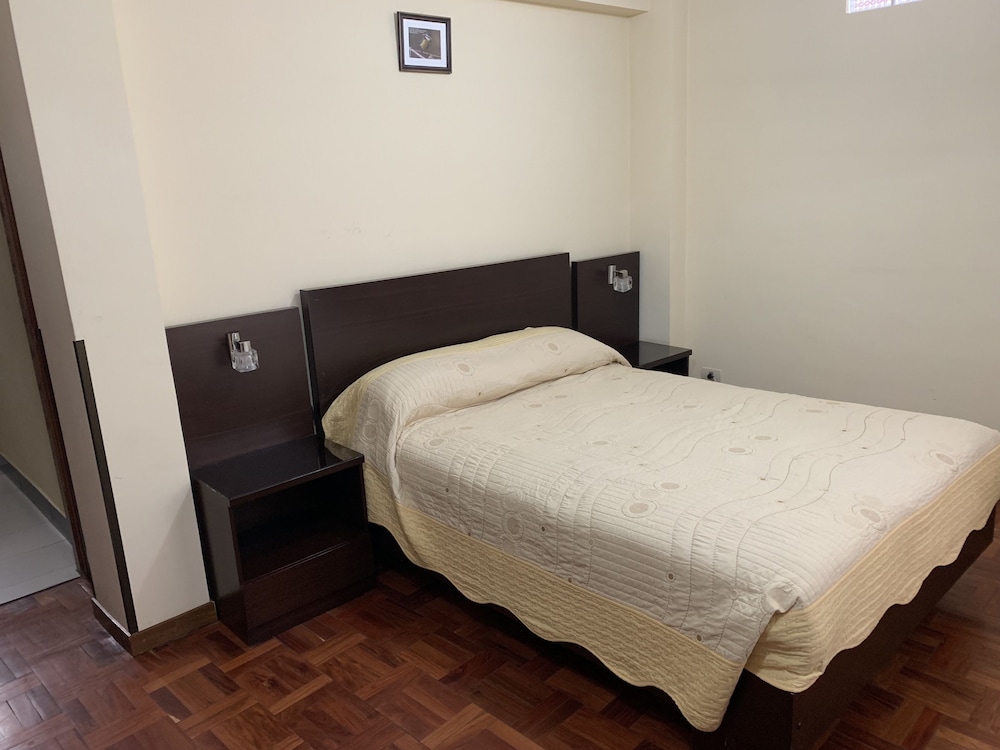
Hotels we cover across La Paz
- Nomada Hostal 2★
- The Adventure Brew Hostel 2★
- Lobo Hostel La Paz 1★
- Diesbu Hotel
- Met Hotel 5★ · 4.7/5
- Hotel Montecillos 3★ · 4.7/5
- Casa Grande Hotel 5★ · 4.6/5
- Hotel Mitru Sur 4★ · 4.6/5
- Suites Camino Real 4★ · 4.6/5
- Stannum Boutique Hotel & Spa 4★ · 4.5/5
- Hotel Rennova 3★ · 4.5/5
- Atix Hotel a Member of Design Hotels 5★ · 4.4/5
- Ritz Apart Hotel 4★ · 4.4/5
- Hotel Presidente 5★ · 4.3/5
- Casa Fusion Hotel Boutique 4★ · 4.3/5
- Hualimei Hotel 4★ · 4.3/5
- La Casona Hotel Boutique 3★ · 4.3/5
- Madero Hotel & Suites 4★ · 4.2/5
- Las Brisas 3★ · 4.2/5
- Residencial Alta Vista 3★ · 4.1/5
- Hotel Gran Aurum 2★ · 4.1/5
- Hotel Sagarnaga 3★ · 4/5
- Hotel Rey Palace 4★ · 3.9/5
- Panamerican Hotel 3★ · 3.8/5
More guides to La Paz
All guides Itineraries · 8 min read
48 hours in La Paz
Itineraries · 8 min read
48 hours in La Paz
Two days is enough to see the departmental capital properly and still get one full day in the coffee mountains. Here is the hour-by-hour version, with rooms from about $22 a night.
 Itineraries · 10 min read
One week in La Paz
Itineraries · 10 min read
One week in La Paz
Seven days is the right length for this department: three bases, four day trips, and two full days that need no plan at all. Expect to spend $45 to $70 a day for two people, rooms included.
 Itineraries · 9 min read
La Paz in 3 days on a budget
Itineraries · 9 min read
La Paz in 3 days on a budget
Three days in La Paz department on $30 to $40 a day per person, rooms included. It is not deprivation travel here; it is simply what things cost.
Compare real prices across La Paz city, Marcala and the towns between them, and remove a verified tonne of CO2 with every booking.