La Paz nightlife: where to go and where to skip
La Paz is a mountain department town of roughly 20,000 people, not a party city — expect three or four decent options, a 10pm dinner cutoff, and beers at $1.50. Here is an honest map of what is worth your evening.
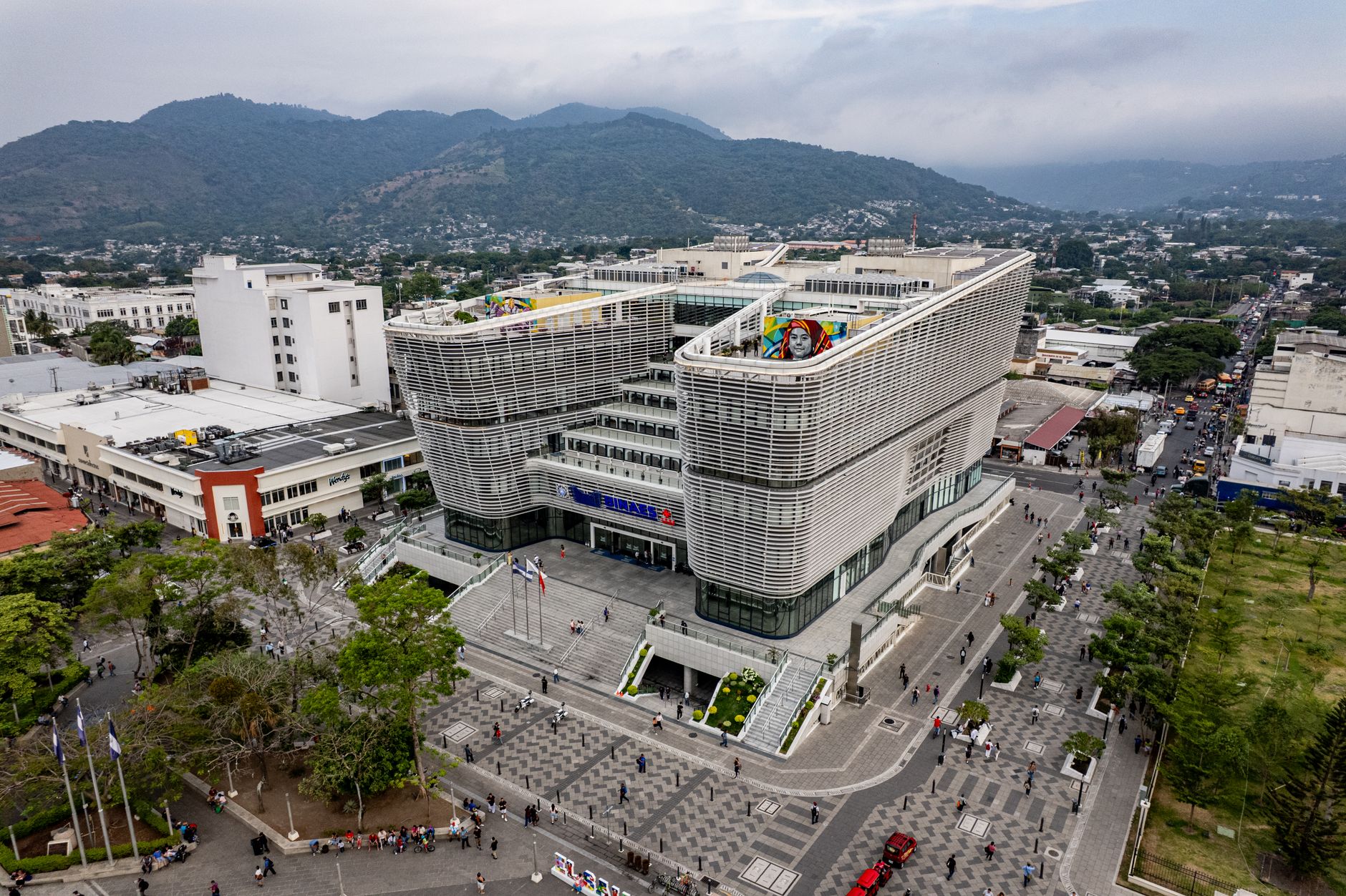 Evening street scene near the central plaza in La Paz, Honduras, with lit storefronts
Set your expectations first
La Paz town has no club district, no cocktail bar scene, and no reason to pretend otherwise. What it has is a handful of cantinas near the centre, two or three restaurant-bars that stay open past 9pm, a billiards hall or two, and weekend crowds that concentrate around the Parque Central and the main commercial blocks on 1a and 3a Calle. Beer — Salva Vida, Port Royal, Barena — costs $1.20 to $2 in a cantina and $2.50 to $3.50 in a proper restaurant. A shot of Yuscarán aguardiente is under $1. Nobody is charging cover except for occasional promoted events.
Practically, this means your evening plan should be dinner plus one venue, not a crawl. Most comedores stop serving between 8pm and 9pm, so eat early. The busiest nights are Friday and Saturday; on Sunday and Monday large parts of the town simply close, and you will be back at your hotel by 9pm with a beer from the pulpería. Since most stays here run $18 to $40 a night, pick a room within walking distance of the plaza — it saves you the taxi and makes the short nightlife window usable.
Where to go: restaurant-bars near the plaza
The reliable evening move is a sit-down place on or just off the Parque Central that serves food and drink together until 10pm or so. These are the venues with lighting, table service, music at a volume that lets you talk, and mixed groups of families and adults — the kind of room where a foreign traveller, solo or as a couple, is unremarkable. Expect grilled meat plates, pinchos, fried chicken, whole fish on the pricier end: $5 to $9 a plate, beers at $2.50 to $3.50. Card acceptance is inconsistent, so carry cash in small bills.
Ask your hotel which of these is currently good, because in a town this size the best one changes every couple of years. The signals to look for from the street: lit interior visible from outside, women and families present, a menu posted, parking attendant out front on a weekend. If a place has none of those, it is a drinking cantina rather than a night out. Arrive by 7:30pm to eat properly, then linger. Nobody will rush you, but the kitchen closing is the real end of the evening in La Paz.
Cantinas and billiards: fine if you read the room
The traditional cantina is the backbone of La Paz nightlife: plastic chairs, fluorescent light, a cooler of beer, ranchera or bachata on a loud speaker, and a clientele of local men who have been there since 5pm. These are usually harmless and frequently friendly — you will get bought a beer and asked about your country. They are also not places to be visibly wealthy, drunk, or alone late. Go before 9pm, stay two beers, pay as you go rather than running a tab, and leave while the room is still cheerful.
Billiards halls near the commercial centre work on the same terms and are a better bet if you want something to do rather than just drink. A table runs roughly $2 to $4 an hour, beers the same as a cantina. If you are a woman travelling alone, both categories are worth skipping in favour of the restaurant-bars — not because of a specific danger, but because you will be the only woman in the room and the attention gets tiring. That is a straightforward read of how these spaces work here, not a warning about crime.
Where to skip
Skip anything on an unlit stretch of road on the edge of town, especially places with tinted glass, no visible interior and cars parked at odd hours. Skip venues where the only other patrons are heavily drinking men late at night, and skip any invitation to move on to a second location with people you met an hour ago. Skip the roadside drinking spots along the highway approaches after dark — walking or standing on those shoulders at night is the genuine risk in La Paz, more than any assault statistic. Also skip anything advertised as a discoteca with no other information; the quality range is enormous.
Skip La Paz nightlife entirely on Sunday and Monday and plan around it. Buy a couple of beers or a bottle of Yuscarán from a pulpería before 8pm — most close between 8pm and 9pm — and drink them at your hotel. If your room has a terrace or courtyard, which many of the family-run budget stays here do, that is a genuinely pleasant mountain evening at 700 metres with cool air and no cost. It beats hunting for an open bar in a town that has decided the week is over.
Marcala after dark: the better weekend option
If you want one livelier evening in the department, Marcala is worth timing your trip around. It is a coffee town with money moving through it during harvest, roughly November to February, and that shows up in the bars and eateries around the Parque Central and Parque Peru. There are more places serving food late, more music, and a mix of growers, buyers and cooperative staff — including visiting coffee professionals, which means you will occasionally find someone to talk to in English. The 85 km trip from La Paz town takes about two to three hours by bus at around $3.
The logistics matter: buses between La Paz and Marcala effectively stop by late afternoon, so an evening in Marcala means sleeping in Marcala. Guesthouses there run about $20 to $40 a night and fill during harvest, so book ahead in December and January. Prices for drinks are the same as La Paz — beer $1.50 to $3, a plate of grilled meat $5 to $8. Walk back to your room rather than taking rural roads at night, and note that Marcala also shuts down early outside the weekend.
Getting home, and staying somewhere that makes nights easy
Taxis in La Paz town cost about $1.50 to $2 for a ride within the centre, more like $3 to $4 for the outskirts, and they thin out considerably after 10pm. Get a driver's number early in your stay — any hotel desk has one — and call rather than hoping to flag one down. Agree the fare before getting in, since meters are not used. Shared colectivo taxis and buses do not run late. If you are more than about ten minutes' walk from the plaza, assume you are calling a car both directions on any night out.
That is the strongest argument for choosing your stay by location rather than shaving $5 off the rate. A room on 1a, 2a or 3a Calle within four blocks of the Parque Central puts every worthwhile evening venue on foot, keeps you on lit streets, and means a 9pm finish does not require logistics. Under $50 in La Paz you have real choice, so spend it on being central and having secure parking and a gate that locks. Ask specifically whether reception is staffed late — some family places lock up at 10pm.
Frequently asked questions
What people ask before they set off on this one.
Modestly. Expect a few restaurant-bars around the Parque Central open until roughly 10pm, several traditional cantinas, and a billiards hall or two. There is no club district and very little happening on Sunday or Monday. Friday and Saturday are the only genuinely lively nights, and even then things wind down before midnight.
About $1.20 to $2 in a cantina or pulpería, and $2.50 to $3.50 in a sit-down restaurant-bar. Local brands are Salva Vida, Port Royal and Barena. A shot of Yuscarán aguardiente is under $1. Bring cash in small bills, as card acceptance in the smaller places is unreliable.
Within the central blocks around the plaza it is generally fine while people are about, roughly until 9 or 10pm. After that, take a taxi for $1.50 to $2 rather than walking unlit streets or highway shoulders. Avoid isolated roadside bars on the edge of town, do not accept moves to a second unfamiliar venue, and keep your phone out of sight. Ask your hotel which blocks to avoid — they will tell you plainly.
Most comedores close between 8pm and 9pm, and the better restaurant-bars stop taking food orders around 9:30pm to 10pm. Eat by 7:30pm if you want a full menu rather than whatever is left. On Sunday and Monday many kitchens do not open in the evening at all, so buy something earlier in the day.
On a Friday or Saturday during coffee harvest, yes — Marcala has more money and movement, more late kitchens, and more visitors. But buses from La Paz town stop by late afternoon, so you need to sleep there, which runs about $20 to $40 a night. Book ahead in December and January when harvest fills the guesthouses.
They exist but get scarce after 10pm. Save a driver's number on your first day — every hotel desk has one — and call instead of flagging. Agree the price before you get in, typically $1.50 to $2 in the centre and $3 to $4 to the outskirts. This is the main reason to book a room within walking distance of the Parque Central.
Hotels in La Paz
Hotels we cover across La Paz
- Hotel Soliman 2★
- Nomada Hostal 2★
- The Adventure Brew Hostel 2★
- Lobo Hostel La Paz 1★
- Diesbu Hotel
- Met Hotel 5★ · 4.7/5
- Hotel Montecillos 3★ · 4.7/5
- Casa Grande Hotel 5★ · 4.6/5
- Hotel Mitru Sur 4★ · 4.6/5
- Suites Camino Real 4★ · 4.6/5
- Stannum Boutique Hotel & Spa 4★ · 4.5/5
- Hotel Rennova 3★ · 4.5/5
- Atix Hotel a Member of Design Hotels 5★ · 4.4/5
- Ritz Apart Hotel 4★ · 4.4/5
- Hotel Presidente 5★ · 4.3/5
- Casa Fusion Hotel Boutique 4★ · 4.3/5
- Hualimei Hotel 4★ · 4.3/5
- La Casona Hotel Boutique 3★ · 4.3/5
- Madero Hotel & Suites 4★ · 4.2/5
- Las Brisas 3★ · 4.2/5
- Residencial Alta Vista 3★ · 4.1/5
- Hotel Gran Aurum 2★ · 4.1/5
- Hotel Sagarnaga 3★ · 4/5
- Hotel Rey Palace 4★ · 3.9/5
More guides to La Paz
All guides Itineraries · 8 min read
48 hours in La Paz
Itineraries · 8 min read
48 hours in La Paz
Two days is enough to see the departmental capital properly and still get one full day in the coffee mountains. Here is the hour-by-hour version, with rooms from about $22 a night.
 Itineraries · 10 min read
One week in La Paz
Itineraries · 10 min read
One week in La Paz
Seven days is the right length for this department: three bases, four day trips, and two full days that need no plan at all. Expect to spend $45 to $70 a day for two people, rooms included.
 Itineraries · 9 min read
La Paz in 3 days on a budget
Itineraries · 9 min read
La Paz in 3 days on a budget
Three days in La Paz department on $30 to $40 a day per person, rooms included. It is not deprivation travel here; it is simply what things cost.
Compare real prices across La Paz city, Marcala and the towns between them, and remove a verified tonne of CO2 with every booking.