Money, tipping, and prices in La Paz
A day in La Paz department costs a careful traveller about $30 to $45 all in, including a room under $50. Here is what things really cost, where to get cash, and when to tip.
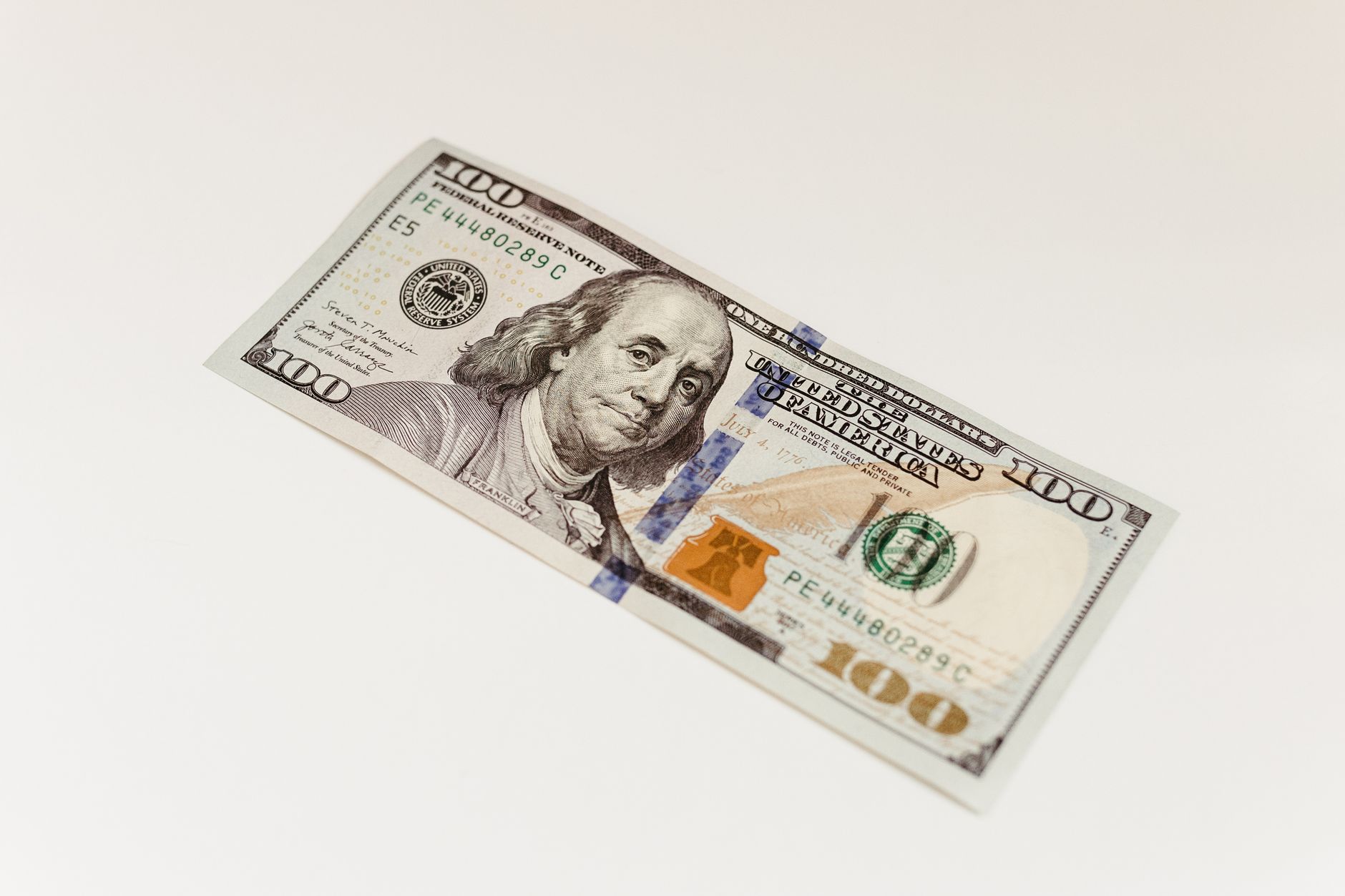 Cash payment at a small comedor counter in La Paz, Honduras
Cash first, cards second
This is a cash economy with card exceptions rather than the reverse. Guesthouses under $30, comedores, market stalls, mototaxis, bus conductors, pickup drivers, guides and co-op coffee shops all want cash. Cards work at the larger hotels in Comayagua, at supermarkets, at the bigger fuel stations and at some pharmacies. Plan to carry the equivalent of two or three days of spending, split between your wallet and your bag, in mixed denominations. Small notes are genuinely valuable: nobody at a $0.60 mototaxi ride or a $1 baleada stand wants to break a large bill for you.
Withdraw at bank ATMs rather than standalone machines, and do it during business hours so you can go inside if the machine eats a card. In La Paz city the useful machines are clustered around the central park and the main commercial blocks nearby; Marcala has a smaller cluster in its centre. Expect a withdrawal cap that translates to roughly $150 to $250 per transaction, plus a local fee of $2 to $5 on top of whatever your own bank charges. Take out enough at once to avoid repeat fees, and do not leave it to a holiday morning.
What a day actually costs
A frugal day looks like this: $20 to $25 for a double room in La Paz city split between two people, $1.50 for a bakery breakfast with coffee, $3.50 for a full comedor lunch, $3 for pollo con tajadas at night, $2 in mototaxi fares and $1 for water and a soda. That is under $20 per person before excursions. A comfortable day with a $35 room, three sit-down meals, a couple of good coffees at $1.50 each and a guided outing lands around $40 to $50 per person, which is about as much as you can spend here without trying.
Excursions are where money moves. A guide for Cueva del Gigante runs roughly $20 to $40 for a small group, transport to the Estanzuela area is $10 to $25 return by mototaxi or pickup, and a coffee farm visit with cupping typically costs $10 to $25 per person when arranged locally. Beans to take home are $6 to $12 a pound at co-op storefronts in Marcala. Add fuel at $45 to $60 a tank if you drive. Nothing here is expensive; the trick is having the right cash on the right morning.
Tipping, honestly
Tipping is modest and situational, not obligatory. In sit-down restaurants, 10 percent is the norm and is sometimes already added to the bill as a service charge, so read before you add. In a comedor or market fonda where lunch is $3.50, rounding up or leaving small change is plenty and appreciated. Mototaxi and bus fares are not tipped; you agree a price and pay it. Hotel staff at guesthouses under $30 are usually the owners, and a thank-you plus repeat business matters more than coins.
Where tipping does count is guiding and household service. A guide who walks you to Cascada La Estanzuela or arranges cave access for half a day deserves $5 to $10 on top of the agreed fee if the day went well, more if they solved problems. A driver who waits three hours at a trailhead rather than leaving you stranded deserves the same. Housekeeping at a mid-range hotel: $1 to $2 a night left visibly on the pillow. Nobody will chase you for a tip in this department, which makes giving one land better.
Where prices are fixed and where they are not
Restaurant menus, bakery counters, supermarkets, pharmacies and fuel are fixed price, and haggling reads as rude. Bus fares are fixed too; if a conductor quotes you something odd, ask what the person beside you paid. Market produce is semi-fixed: the price per pound is what it is, but volume gets you a better deal and a smile gets you the extra tomato thrown in. Hotel rates are negotiable in the lower band, particularly for three nights or more, and particularly if you show up in person with cash in hand.
The genuinely negotiable items are private transport and guiding. A pickup to a trailhead, a car between towns, a driver who waits: all of these are a conversation. Ask two or three drivers for a price before agreeing, settle the number including waiting time and the return leg, and repeat it back so there is no ambiguity later. For guides, agree the fee, whether transport is included and roughly how long the outing lasts. Written down on your phone in front of them, this takes 60 seconds and prevents almost every dispute travellers have here.
Budgeting a stay under $50 a night
The whole department is a place where $50 is a ceiling rather than a starting point. At $18 to $25 you get fan, private bathroom, cold water and clean sheets in La Paz city. At $28 to $38 you get air conditioning in the lowlands, hot water in Marcala, television, parking and better Wi-Fi. At $40 to $50 in Comayagua you get pool, restaurant and breakfast. Rates barely move seasonally, so the only thing that changes with the calendar is availability in Marcala during harvest from late November to February.
Two practical savings. First, ask about breakfast: in Marcala a $3 plate of eggs, beans, cuajada, tortillas and local coffee is often included, which quietly cuts your daily food spend by a fifth. Second, stay longer in one place instead of paying transport to hop around; a three-night rate is usually 10 percent lower and you stop losing half-days to buses. If you want to spend money meaningfully, put it into guides and coffee rather than into a nicer room, because that is where the department delivers value.
Scams, fees and small print
Serious tourist scams are rare here, largely because tourism is small. The realistic annoyances are overcharging on unmetered transport, a driver who quotes one price and remembers another, and vendors who assume a foreigner cannot count change. All three are solved by agreeing numbers first and counting money in the open. Refuse to pay for anything before it happens, except a room, and never hand your card to someone who walks away with it. Check that ATM screens look unmodified and cover the keypad out of habit.
On the paperwork side, keep small change for public bathroom fees of about $0.25, keep a printed or photographed copy of your passport for hotel check-ins and checkpoints, and be aware that banks close early, often around 3pm to 4pm on weekdays and midday on Saturdays, with total shutdowns during Semana Santa and around Christmas and New Year. Mobile top-ups for a local SIM are sold at any pulpería in small increments; $5 to $10 buys plenty of data for a week of maps and WhatsApp.
Frequently asked questions
What people ask before they set off on this one.
A careful traveller sharing a room spends about $20 to $25 a day including bed, three meals and local transport. A comfortable day with a $35 room, good coffee and one guided outing lands around $40 to $50 per person. Excursions are the main variable: guides for Cueva del Gigante run $20 to $40 for a small group and transport to trailheads $10 to $25 return.
The reliable machines are attached to banks around the central park and the main commercial blocks in La Paz city, with a smaller cluster in central Marcala. Withdraw during business hours in case a machine keeps your card. Expect a per-transaction cap of roughly $150 to $250 plus a local fee of $2 to $5. Machines can be empty on long holiday weekends, so stock up beforehand.
Yes, about 10 percent in sit-down restaurants, but check the bill first because a service charge is sometimes already included. In a comedor or market fonda where lunch costs $3.50, rounding up or leaving small change is normal and welcome. Mototaxi and bus fares are not tipped since the price is agreed in advance. Guides and drivers who wait deserve $5 to $10 on top of the agreed fee.
At the larger Comayagua hotels, supermarkets, main fuel stations and some pharmacies, yes. At guesthouses under $30, comedores, market stalls, mototaxis, buses, guides and coffee co-op shops, no. Assume cash for anything that feels local and small. Carry two or three days of spending in mixed denominations, with plenty of small notes.
Not for restaurant food, bakeries, supermarkets, pharmacies, fuel or bus fares, where prices are fixed and bargaining reads as rude. It is expected for private transport, guiding and multi-night hotel rates. Ask two or three drivers for a price, settle a single number that includes waiting time and the return trip, and repeat it back before you set off.
Hotels in La Paz
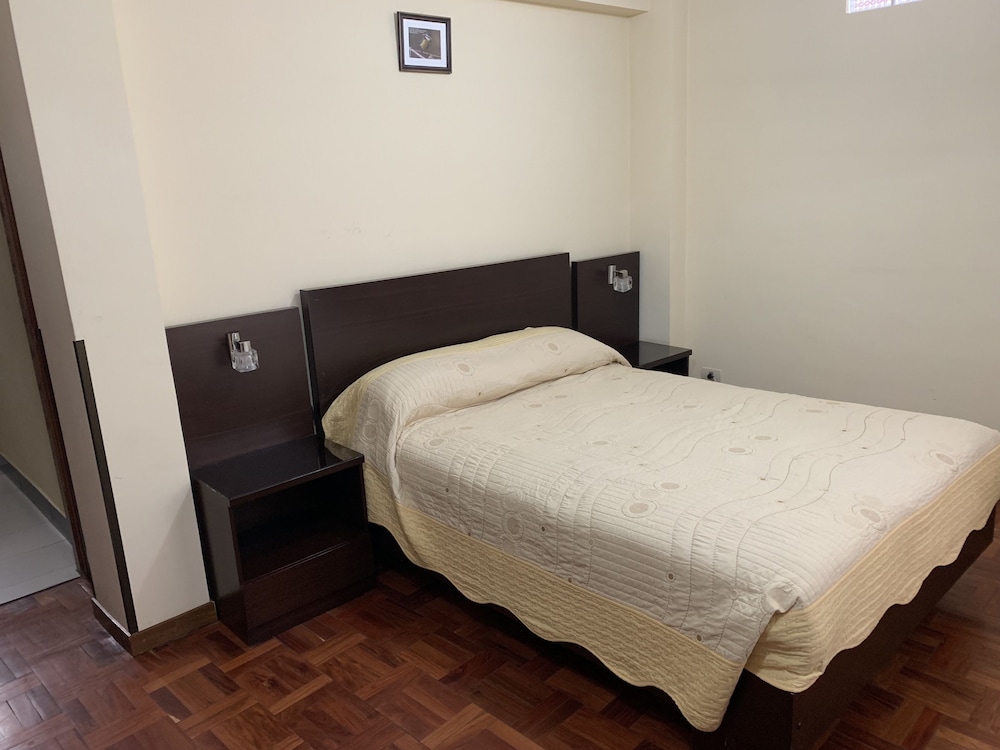
Hotels we cover across La Paz
- Hotel Gran Aurum 2★ · 4.1/5
- Hotel Sagarnaga 3★ · 4/5
- Hotel Rey Palace 4★ · 3.9/5
- Panamerican Hotel 3★ · 3.8/5
- Casa Grande Suites 5★
- Casa Grande Express 3★
- Hotel Soliman 2★
- Nomada Hostal 2★
- The Adventure Brew Hostel 2★
- Lobo Hostel La Paz 1★
- Diesbu Hotel
- Met Hotel 5★ · 4.7/5
- Hotel Montecillos 3★ · 4.7/5
- Casa Grande Hotel 5★ · 4.6/5
- Hotel Mitru Sur 4★ · 4.6/5
- Suites Camino Real 4★ · 4.6/5
- Stannum Boutique Hotel & Spa 4★ · 4.5/5
- Hotel Rennova 3★ · 4.5/5
- Atix Hotel a Member of Design Hotels 5★ · 4.4/5
- Ritz Apart Hotel 4★ · 4.4/5
- Hotel Presidente 5★ · 4.3/5
- Casa Fusion Hotel Boutique 4★ · 4.3/5
- Hualimei Hotel 4★ · 4.3/5
- La Casona Hotel Boutique 3★ · 4.3/5
More guides to La Paz
All guides Itineraries · 8 min read
48 hours in La Paz
Itineraries · 8 min read
48 hours in La Paz
Two days is enough to see the departmental capital properly and still get one full day in the coffee mountains. Here is the hour-by-hour version, with rooms from about $22 a night.
 Itineraries · 10 min read
One week in La Paz
Itineraries · 10 min read
One week in La Paz
Seven days is the right length for this department: three bases, four day trips, and two full days that need no plan at all. Expect to spend $45 to $70 a day for two people, rooms included.
 Itineraries · 9 min read
La Paz in 3 days on a budget
Itineraries · 9 min read
La Paz in 3 days on a budget
Three days in La Paz department on $30 to $40 a day per person, rooms included. It is not deprivation travel here; it is simply what things cost.
Compare real prices across La Paz city, Marcala and the towns between them, and remove a verified tonne of CO2 with every booking.