San Juan
Tiny western La Paz town in high coffee country, one or two hospedajes, superb walking and almost no infrastructure.
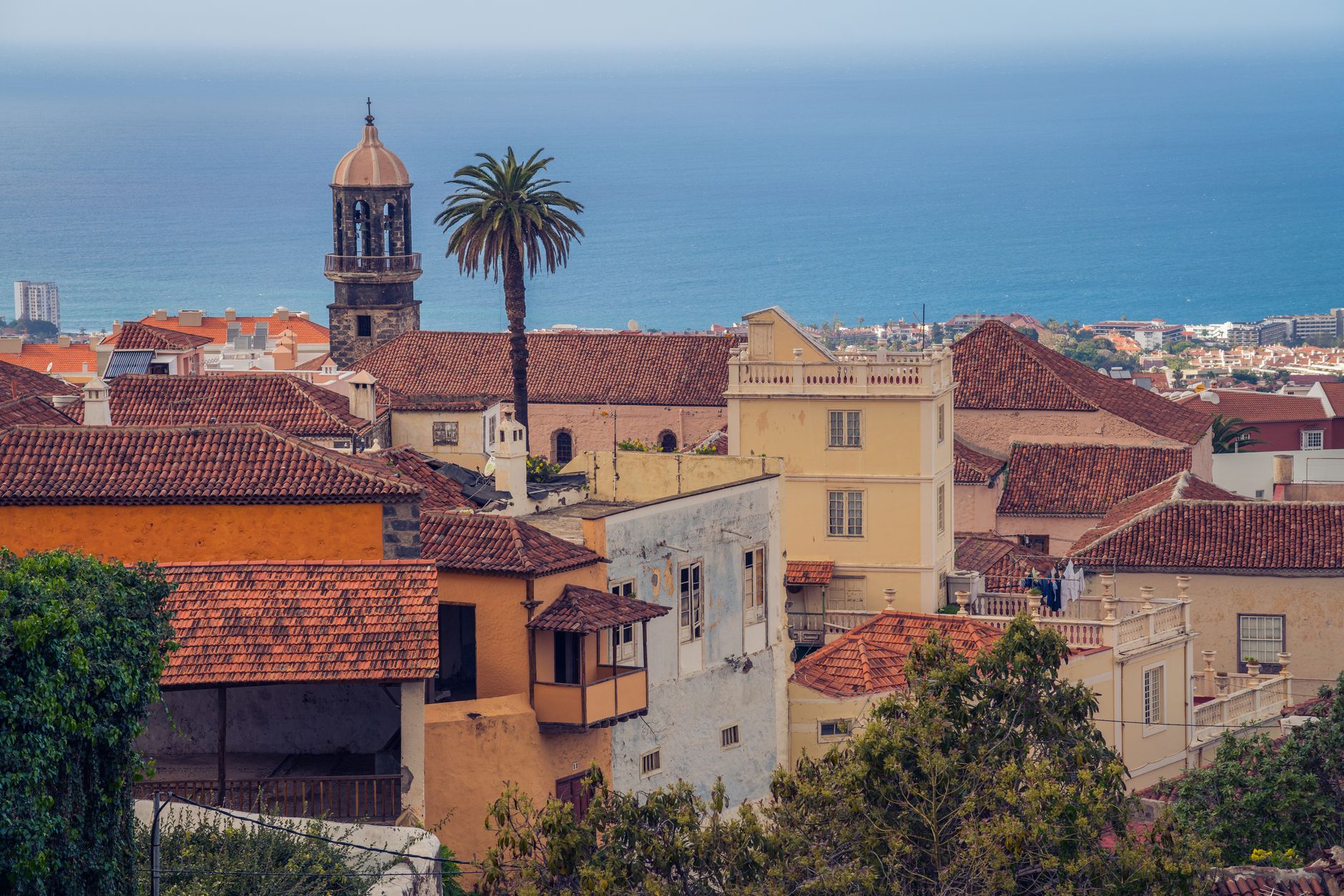
 Coffee slopes and scattered tin roofs at San Juan in western La Paz
Why people stay in San Juan
San Juan is small even by the standards of this list — a church, a plaza that doubles as a car park and football pitch, a school, a handful of pulperías and coffee in every direction. It sits high in the western part of the department, close in spirit and geography to the Marcala coffee zone, and its reason to exist is agriculture. If you turn up in January the town smells of fermenting coffee and there are trucks loading parchment. If you turn up in August it is green, wet, and almost silent, and the road in will test whatever you are driving.
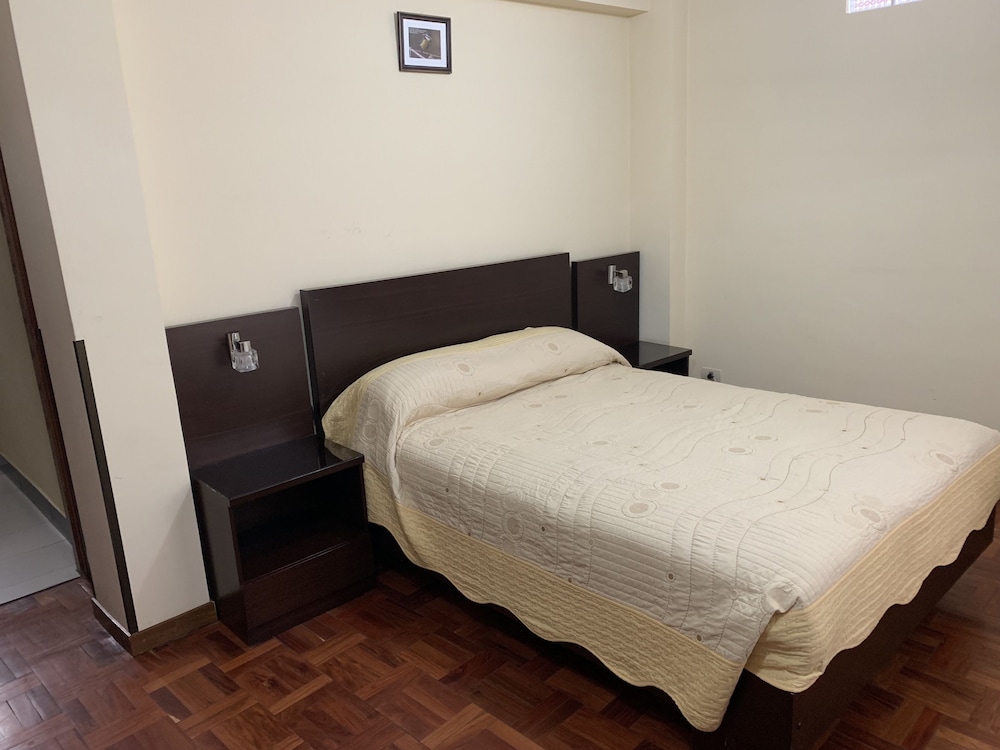
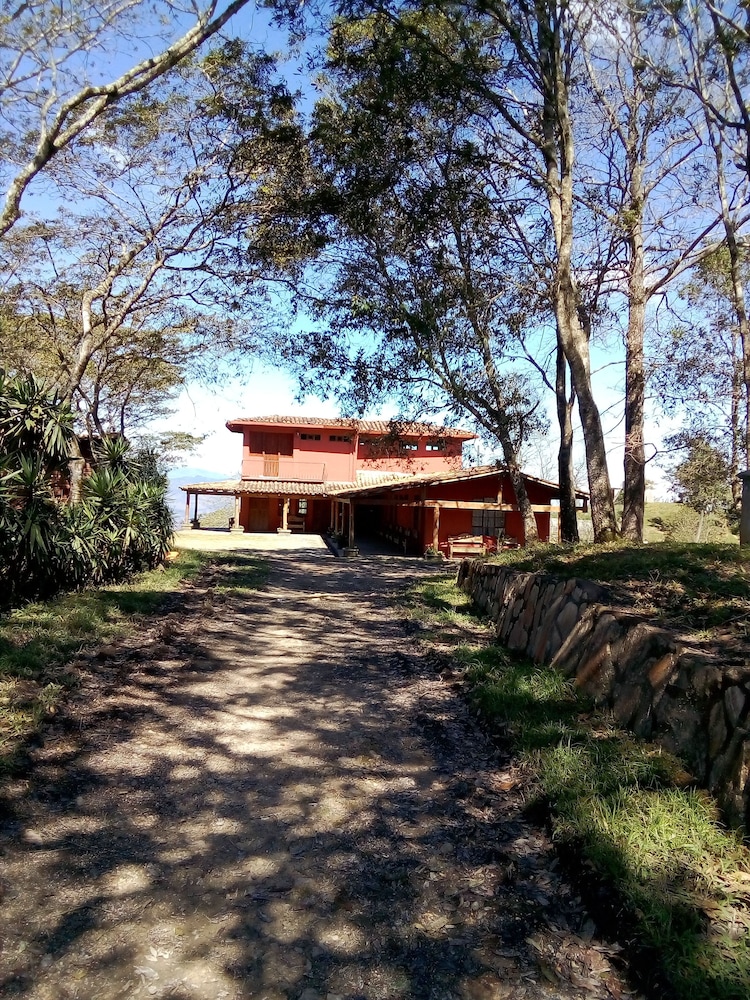
Accommodation is one or two hospedajes plus, in practice, rooms in people's houses arranged on arrival for $12 to $22. Standards are basic and honest: a bed, a fan that will not be needed, shared or simple private bathroom, cold water more often than not. Nobody is running a business here so much as helping out. That is genuinely charming and it is also why you should not arrive at 7pm on a Saturday expecting a smooth check-in. Phone ahead through whoever you can, or come by 4pm and ask at the pulpería on the plaza, which functions as the town's front desk.
What makes San Juan worth the trouble is the walking. Tracks leave the town in four directions into shade coffee, pine ridges and cloud, and they are used every day by people going to work, so they are clear, safe and beautiful. On a good December morning you get cloud filling the valleys below you and pickers' radios drifting up through the trees. It is the kind of landscape people fly to Costa Rica to see for five times the price. There is no entry fee, no ticket office and nobody selling you a guided experience.
Skip San Juan if you need reliable electricity, medical services, an ATM, restaurant meals or a return bus at a predictable hour. Skip it in the heaviest wet months of September and October unless you have a 4x4 and patience. Come if you are happy to eat beans and eggs twice a day, walk five hours, and be in bed by 9pm with your legs aching and a wool blanket over you. Also come if you buy coffee professionally, because the producers here are approachable and the prices are farm-gate.
There is not much to choose between, so the decision is really where in town and what you can tolerate. Everything is within three minutes of the plaza; expect $12 to $22, cash only, no booking system, no cards, no hot water in the cheaper rooms. Prefer an upstairs room with a window over the plaza, both for light and because the ground floors of adobe buildings hold damp through the wet season. Ask the host directly for two blankets, since nights sit in single figures from December to February and nobody heats anything. Ask about food at the same time — meals arranged with your host at $3 to $4 are the only dependable dinner in town. Avoid arriving without cash in small notes; there is no ATM, no card machine and no way to change a large bill locally. And avoid arriving after dark, when finding the right door in an unlit town is genuinely difficult.
Things to do in San Juan

Take the track climbing north from behind the church and keep going for an hour and a half; the coffee thins into pine and oak and the whole western La Paz landscape opens up. Locals walk it daily so the route is obvious. Leave by 6.30am, carry two litres of water, and be back before afternoon cloud builds in the wet season.

From late November to February, pickers deliver day lots at the plaza in the late afternoon, around 4pm to 6pm, where sacks are weighed and paid out in cash. Stand and watch it, ask what they are paying per lata this week, and you will learn more about coffee economics than in any museum.

Ask at the plaza pulpería who has roasted coffee for sale and expect $3 to $6 a pound, often ground coarse in a hand mill. It is the cheapest good coffee you will buy anywhere on this site. Take a sealed bag with you; nothing here is packaged for travel and paper bags leak oil.

Whichever pulpería or comedor is open at 5.30am during harvest will be feeding crews before they go up the hill: beans, eggs, tortillas, sweet coffee, $2 to $3. This is also the practical moment to ask about pickups out of town, since the drivers eat there too and know what is running.

Small beneficios sit below the village where the water runs; follow the concrete channel downhill from the last houses for ten or fifteen minutes. During harvest they depulp in the evening and the smell of fermentation is enormous. Ask before entering the yard; a tip of $3 to $5 buys a look at the tanks.

Arrange a pickup seat, usually $4 to $6 each way, and spend the day where the cooperatives, ATMs, cafés and market are. Leave early, be back by mid-afternoon, and treat it as the resupply run: cash, batteries, painkillers, snacks. Nothing you forget in Marcala can be bought back in San Juan.
What to see
Hotels near San Juan
No hotels are listed in San Juan yet. The nearest ones are on the region page.
Getting around San Juan
There is no direct service from anywhere. From Tegucigalpa, take a Marcala bus out of Comayagüela — about three and a half hours, $6 to $8 — then arrange a pickup for the final dirt leg, $4 to $6 and forty-five minutes to an hour and a half depending on conditions. From La Paz Centro, get to the paved highway towns first, then transfer. Local departures from San Juan cluster between 5am and 7.30am and there is frequently nothing at all after midday, especially at weekends. Ask at the plaza pulpería the night before who is driving; that is the real timetable. Within the village and to nearby aldeas you walk, on steep unpaved tracks that are slippery in the wet.
Questions about San Juan
Both, effectively. There are one or two signed hospedajes and, when they are full, rooms in family houses arranged on the spot for $12 to $22. Nothing has an online listing. Arrive before 4pm, ask at the pulpería on the plaza, and someone will walk you to a bed. Bring cash in small notes.
In dry season, roughly December to April, a careful driver in an ordinary car can manage it. From June to October you want high clearance and four-wheel drive, and after heavy rain the road can be genuinely impassable for a day or two. Most visitors sensibly pay $4 to $6 for a seat in a local pickup and let someone who knows the ruts drive.
The walking is the best reason to come and none of it is marked. The tracks are working routes to coffee plots and aldeas, wide, obvious and busy at dawn. Ask your host to sketch the ridge route, start early, carry water since there is none on the way, and expect deep mud in the wet season.
November to February for harvest, cold clear mornings and cloud in the valleys — that is the town at its most alive and its most photogenic. February to April is dry, warm and quiet, good for walking. September and October are wet, muddy and awkward for transport, and a lot of visitors get stuck an extra night without meaning to.