Santa María
Working coffee town on the road to Marcala, cheap clean rooms, drying patios in the street and buses all morning.
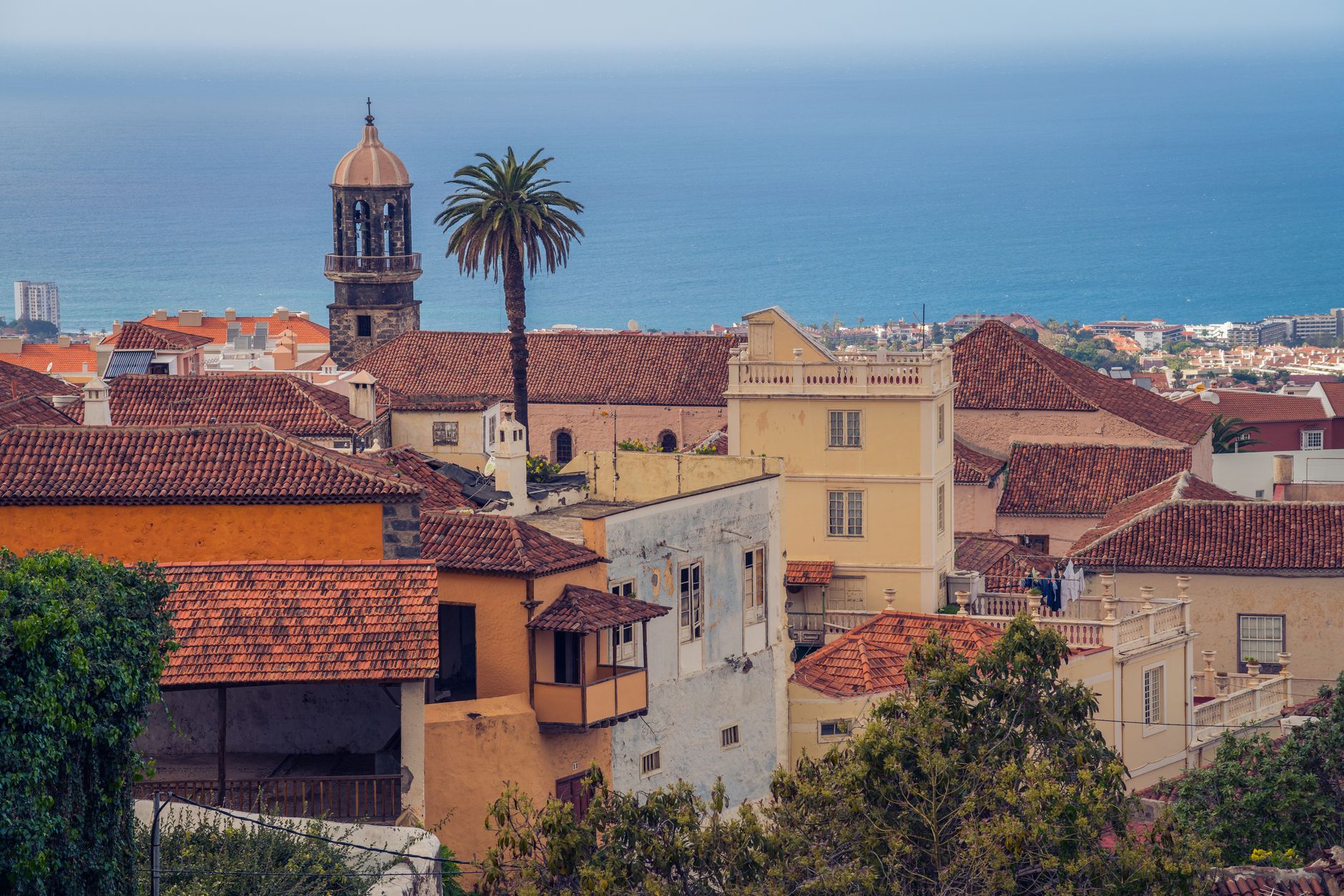
 Coffee drying patios and a pale church tower in Santa María, La Paz
Why people stay in Santa María
Santa María is the town most people pass through on the way to Marcala without stopping, which is exactly why it is a decent base. It sits on the paved highway in the coffee belt, high enough to be pleasant, low enough that you are not freezing, and busy enough that there is a hardware shop, a couple of pulperías, a pharmacy and food after dark. Between November and February the whole main street is a drying patio — parchment coffee raked out on plastic in front of houses, tarps rolled back at 9am and rolled in at 4pm, and the smell of it everywhere.
At 9pm the town has three or four lit doorways: a comedor still serving, a pulpería with a television going, a corner where teenagers park motorbikes. Nobody is drunk in the street and nothing is loud. If you want a beer it is $1.50 in a pulpería and you drink it on a plastic chair on the pavement. That is the nightlife and I would not sell it as anything else. What you get instead is a room for $18 to $28, a bus stop outside your door, and a working town that gets up at 5am because the pickups start.
This suits people using La Paz as a coffee trip rather than a holiday — buyers, roasters, curious drinkers — and anyone who wants to see Marcala's producing landscape without paying Marcala prices. It also suits cyclists, because the highway is paved and the gradients are honest. It does not suit anyone hoping for a boutique hotel, a wine list, or a swimming pool. There is no pool anywhere near here. The best thing in Santa María is a conversation with a beneficio owner about last year's rain.
One honest warning: the highway is the town's spine, and trucks use it at night. Rooms fronting the road hear every downshift. It is not constant — this is not a motorway — but if you are a light sleeper you want a back room, and you should ask for one specifically rather than trusting to luck. Ask for a habitación al fondo, back of the building, and expect the owner to be slightly puzzled that you care.
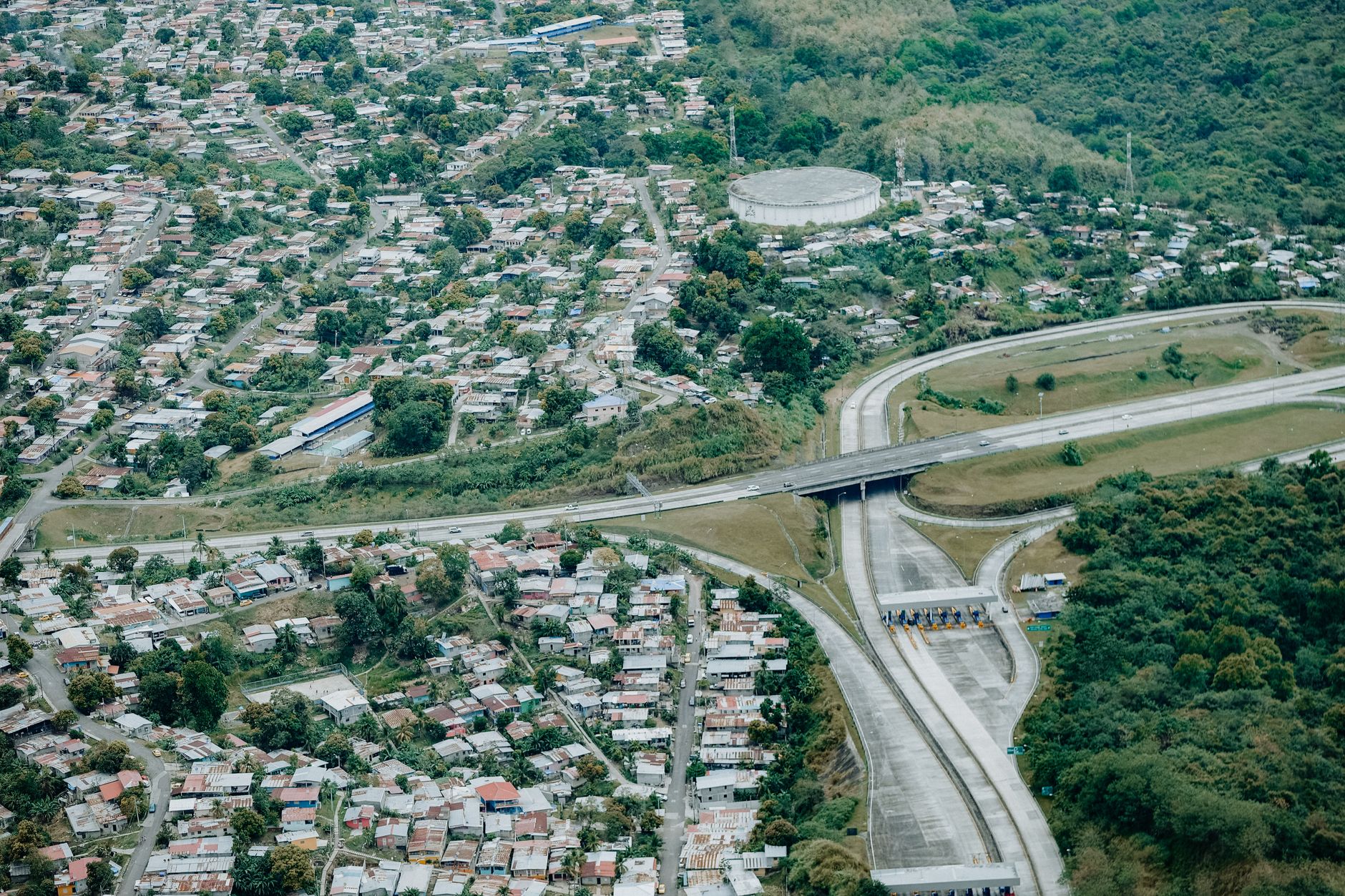
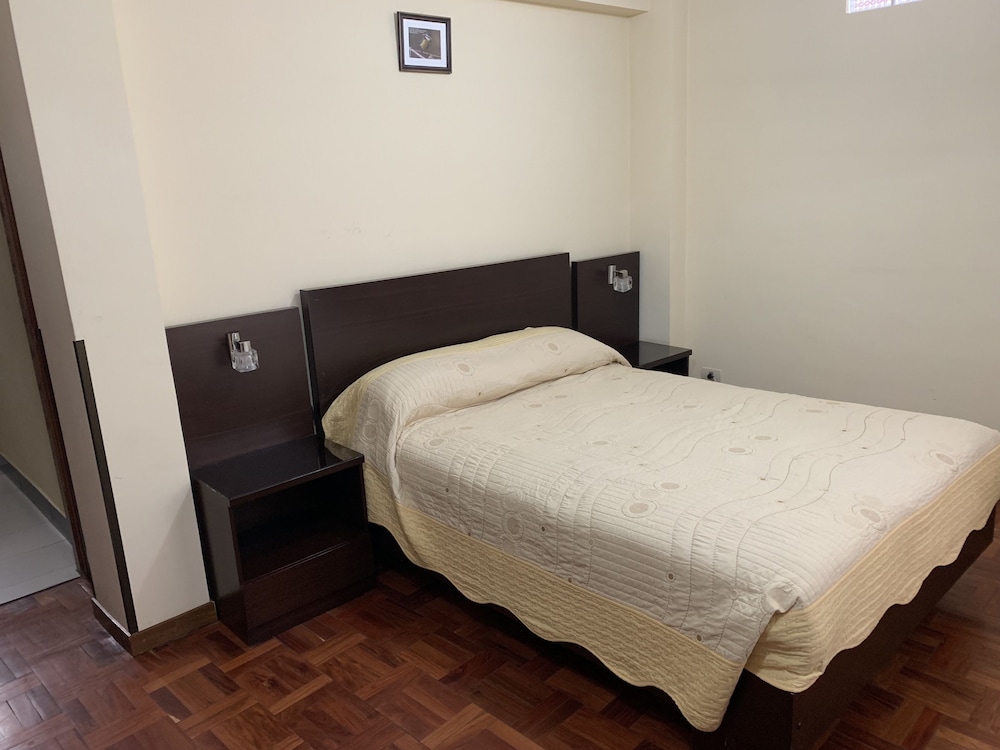
Beds cluster along the main highway through town and on the two short streets behind the church, and the price band is $18 to $30 for a private room with fan and private bathroom, sometimes with hot water. The back streets behind the church are the quiet choice and only two minutes from where the buses stop, so there is no real advantage to being roadside. Look for places with a small interior courtyard — they are cooler, quieter and usually newer. Avoid the very cheapest rooms above pulperías on the highway itself; they share a bathroom, they take the truck noise full on, and the extra $8 for a back room is the best money you will spend in La Paz. During the harvest, roughly November to February, cheap rooms fill with pickers and cuppers, so book by phone a day or two ahead rather than turning up at 6pm. Nowhere takes cards.
Things to do in Santa María

During harvest, from November through February, the highway through town is lined with parchment coffee spread on patios and plastic. Walk it between 9am and 3pm when the tarps are back. Ask before you photograph someone's lot, and expect to be handed a handful of dried beans to smell. It costs nothing and it is the best hour here.

Several wet mills sit just off the highway at the lower end of town, recognisable by the concrete tanks and the water channel. In harvest they depulp from late afternoon into the night. Turn up around 4pm, ask for the encargado, and you will usually get a fifteen-minute tour for free or a tip of $3 to $5.

Buses and pickups run the paved road to Marcala all morning for $1 to $2, taking twenty to thirty minutes. Marcala has the actual cafés, the cupping tables and the export offices; Santa María has the beds at two-thirds the price. Go for the morning, drink three coffees, come back for lunch at $4.

The comedores on the main street through town serve the same reliable thing: grilled or stewed beef, beans, rice, plantain, cuajada, tortillas, for $4 to $6 with a fresco. Open about 6.30am to 8pm, latest doors in town. The 7am breakfast crowd is drivers and pickers, and it is the most useful place to ask about transport.

Head out of town on the paved highway toward the higher coffee country and within two kilometres you are among shade plots with views back over the valley. It climbs steadily, there is a shoulder most of the way, and traffic is light between 9am and 11am. Turn around whenever; the view improves for the first five kilometres.

Sunday brings vendors from surrounding aldeas to the streets around the church from about 6am to noon — vegetables, cuajada, second-hand clothes, dried fish, and coffee sold by the pound at $4 to $6. It is a working market with no craft stalls whatsoever, which is its charm. Everything is packed away by early afternoon.
What to see
Hotels near Santa María
No hotels are listed in Santa María yet. The nearest ones are on the region page.
Getting around Santa María
Santa María sits on the paved La Paz–Marcala road, which is the easiest highland transport corridor in the department. From Tegucigalpa, take a Marcala-bound bus from Comayagüela — roughly three and a half hours, $6 to $8 — and ask to be dropped in town; there is no terminal, just the highway. From La Paz Centro, minibuses and pickups run frequently from around 6am to 4pm, forty to fifty minutes, $2 to $3. To Marcala is twenty to thirty minutes and $1 to $2, with departures most of the morning and thinning after 3pm. Inside town everything is within a five-minute walk of the church. Motorbike taxis will run you to nearby aldeas for $2 to $4 if you agree the price first.
Questions about Santa María
Cheaper, quieter and worse for eating out. Rooms run $18 to $30 here against $30 to $60 in Marcala, and the bus between them is twenty minutes for under $2. If your days are spent in the field and you only need a bed and a comedor, stay here. If you want cafés, restaurants and someone at reception who speaks English, pay the difference in Marcala.
Picking generally runs from November into February, with the peak in December and January depending on altitude and rain. That is when the drying patios are full, the beneficios run at night and the town is at its most interesting. It is also when cheap rooms fill with seasonal workers, so reserve a day ahead by phone.
Trucks pass through the night, not constantly but enough to wake a light sleeper two or three times. Rooms at the back of the same buildings are genuinely quiet. Ask for a habitación al fondo when you book and expect to pay $5 to $8 more, which is worth it. Bring earplugs regardless; roosters start before 5am.
Yes, and cheaper than in Marcala or Tegucigalpa. Producers sell by the pound from their houses and at the Sunday market for roughly $4 to $7, usually roasted locally in a drum. It is rarely vacuum-sealed, so bring a zip bag. If you want export-grade lots with paperwork, that transaction happens in Marcala, not here.