Mercedes de Oriente area guide: where to stay in one of Honduras's smallest towns
 Church and small square of Mercedes de Oriente, one of the smallest municipal seats in Honduras
Fewer than 2,000 people live in this municipality, there is no hotel, and the whole town can be walked in fifteen minutes; here is how to spend a night anyway.
What you are actually going to
Mercedes de Oriente is among the smallest municipalities in Honduras by population, a hill town in the southern part of La Paz above the dry Goascorán country, with a church, a square, a handful of streets of adobe and tile, and a municipal office that knows every visitor by sight within an hour. Its altitude gives it slightly better air than the basin towns below, so days are warm rather than punishing and nights actually cool. The scale is the attraction: nothing here is scaled for outsiders, because there are almost none.
That means being honest about what is missing. No hotel, no restaurant with a menu, no bank, no cash machine, no card terminal, no guide, no tour, no signposted trail. The visitor economy is zero. What you get instead is the rarest thing in travel now, which is a place going about its business, and the specific pleasure of a square at 6pm where the entire social life of a municipality happens in front of you. If that does not sound like enough, do not come.
Where you sleep, in order of likelihood
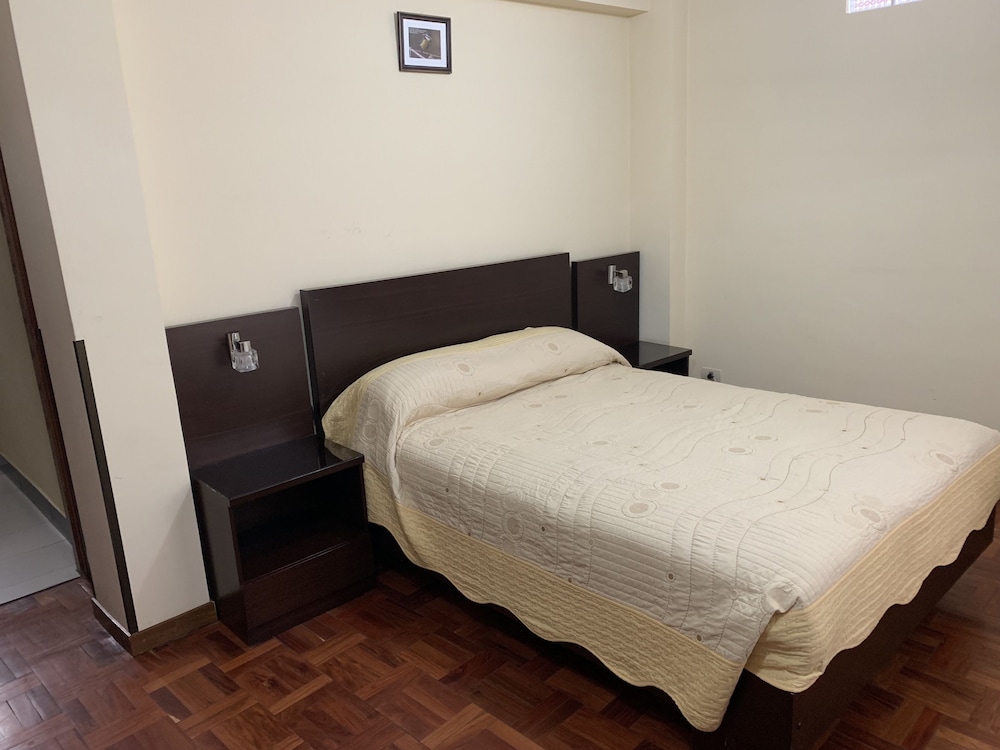
First and most likely: a room in a private house, $10-15 a night, arranged in person during daylight by asking at a pulpería or the alcaldía during weekday office hours. Meals for a couple of dollars more, cooked by whoever is cooking. This is not a service, it is a favour with a price on it, so turn up polite, early and with small notes. Second: space in a church or community hall for a group, arranged in advance through the municipality, which is how brigades and mission teams sleep here.
Third: a tent or hammock on a farm at the edge of town with the landowner's permission, free or a token payment, comfortable in the December-to-February window when nights cool nicely and less so in April. Fourth, and the one most visitors will end up using: sleep somewhere else. The nearest towns with actual walk-in rooms are the southern municipal seats an hour or more away on gravel at $10-15, with anything resembling a hotel much farther, in La Paz Centro at $20-45.
The cost of a night here versus the rest of the department
You will spend less here than anywhere else in La Paz, because there is almost nothing to spend on. Reckon $10-15 for a bed, $6-10 for the day's food, and no other costs unless you are buying fuel. Compare that with Marcala, where a hotel room and two restaurant meals plus coffee easily runs $45-75 a day, or La Paz Centro at $30-55. Two people can do a day and night here for around $35 all in.
The trade is convenience, not comfort exactly. The room may be perfectly pleasant, but nothing is guaranteed, nothing is bookable, and there is no fallback if the arrangement falls through. Budget as if you might need an extra night in a neighbouring town, keep $60-80 in small notes in reserve, and treat the money you save as the price of a plan that might need to change. If you cannot tolerate that uncertainty, this town is best seen between 3pm and 6pm and slept off elsewhere.
What is within walking distance, all of it
The square, the church, the alcaldía, the school, two or three pulperías, a comedor if one is open, the football field and the last houses on each road out. Fifteen minutes end to end. That is not a criticism, it is the point: you can stand still and watch the town's whole day pass. Mornings are early, with pickups loading and children in uniform on the roads by 7am. Middays are quiet. Evenings from 5.30 to 8 are when everyone appears, and then it is dark and silent.
Just outside, the tracks climb through pasture, dry forest and pine on the higher ground, with long views south and west over the folds toward the Goascorán basin. In February the ridgelines are hazy gold; after the June rains everything greens up and looks like a different country. Walk before 9am, ask before crossing gates, carry water, and do not rely on a stream being wet in April. Nobody guides here, so keep the route simple and tell your host where you are going.
Getting in and out
Access is gravel from the neighbouring southern municipal seats, with slow climbs and a surface that ranges from decent in February to seriously bad after October storms. Allow an hour or more from the nearest towns and three to four hours from La Paz Centro, which is 70-90 kilometres away by any route that exists. Drivers coming from Tegucigalpa often prefer to run south on the CA-5 and turn west onto the secondary roads into this country, which is longer on paper and easier in practice.
Without a vehicle, you are on pickups and the occasional minibus, which move early and return by the middle of the day, at a couple of dollars a leg. Ask the day before, because in a municipality this small a service may run on certain days only. Fuel is informal and unreliable, so arrive with a full tank. And do not plan to leave after dark: the roads are unlit, unfenced, shared with livestock, and no local drives them at night for pleasure.
Eating, cash, water and signal
You eat what a household cooks, which means beans, rice, eggs, tortillas, cuajada, plantain and a soup if there is meat, at $2.50-4 a plate when arranged. Say by mid-afternoon that you want dinner or you will be eating bread and cheese from a pulpería. Pulpería stock covers staples, biscuits, soft drinks and sometimes bottled water, and nothing more. Bring your own coffee snobbery down a level and enjoy the boiled, sweet local version, which is better than it has any right to be.
No cash machine, no card terminal, so bring small notes from La Paz Centro or the CA-5 towns. Water should be bottled or treated, and in the March-to-May dry stretch supply can be intermittent, so fill containers in the morning. Mobile data works in patches and disappears in the valleys, which is worth knowing before you rely on a map or a message. Pack a torch, a light warm layer for the cooler nights and a hat for the mornings, and you have everything the town cannot sell you.
Verdict: one night, in January, on a southern loop
This is a one-night town, and it is a good one. Build it into a three or four-day southern circuit with your own pickup: a night in one of the neighbouring seats, a night here arranged on arrival, and the drive back out to the paved network on the third day. Do it between late November and February, when the gravel is firm, days sit in the high 20s and nights are cool enough to sleep well. Arrive by 3pm with cash, water and a torch, and ask at the alcaldía first.
Do not build a whole holiday around it, do not attempt it as a day trip from Marcala or La Paz Centro, and do not come in April expecting water on tap or in October expecting the road to behave. If you have four days in La Paz and want the classic version of the department, the coffee highlands in the west are the better use of your time. Come here on a return visit, when you want the smallest place in the department rather than the most photographed one.
Before you book
The questions people ask about La Paz, answered with this month’s numbers.
No formal accommodation. A room in a private house at $10-15 is the realistic option, arranged in person during daylight through a pulpería or the alcaldía in weekday office hours, sometimes with meals for a couple of dollars extra. Groups occasionally use the church or community hall by prior arrangement.
Pickups and occasional minibuses from the neighbouring southern municipal seats, a couple of dollars a leg, running early in the morning and returning around midday. In a municipality this small, services may run on certain days only, so ask a driver the day before and be prepared to stay an extra night.
Late November to February. The rains have finished so the gravel access roads are firm, days sit in the high 20s at this altitude and nights cool enough for comfortable sleep. Avoid March to May for heat and intermittent water, and September to October for road conditions after storms.
There is no cash machine or card terminal, so bring everything in small notes. Reckon $10-15 for a room, $6-10 for a day of food, plus $60-80 held in reserve in case road conditions or transport force an extra night in a neighbouring town, and cash for fuel if you are driving.