Mercedes de Oriente
Small colonial-era mining village with cobbles, a fine old church and cold nights; a handful of rooms under $30.
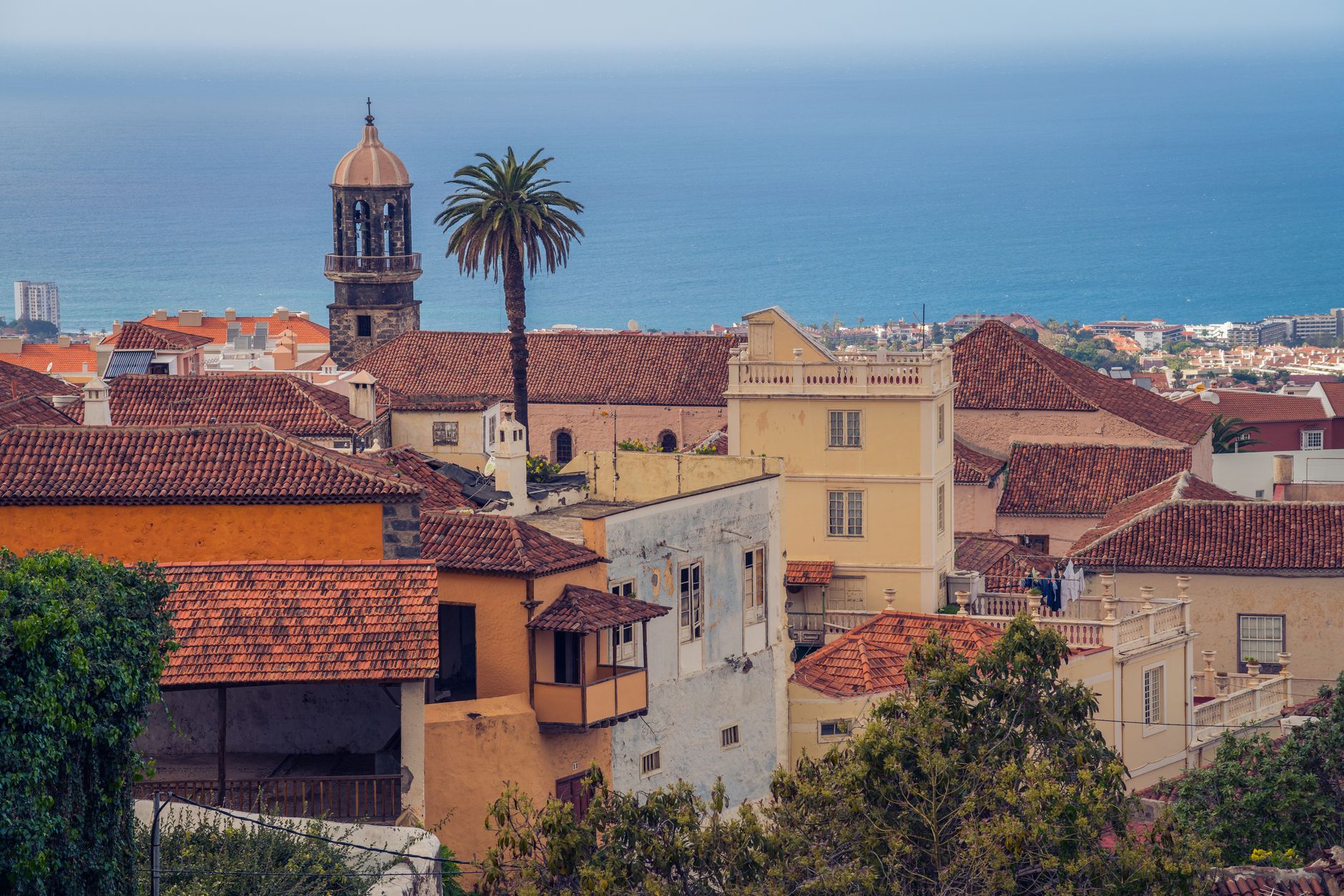
 Cobbled street and whitewashed colonial church in Mercedes de Oriente, La Paz
Why people stay in Mercedes de Oriente
Mercedes de Oriente is the prettiest small municipal seat in the southern half of the department and one of the least visited places in Honduras that genuinely deserves an afternoon. It is an old mining village — silver and gold worked in the colonial period — and it kept its shape: a compact grid of cobbled and stone-paved lanes, thick whitewashed walls, tile roofs, and a colonial church on the plaza that is out of all proportion to the size of the place. Nobody sells you a ticket to any of it, which is exactly its charm.
The village sits high, in pine country, and it is cold. From November to February plan on a genuinely chilly evening — locals wear jackets from 5pm and the hospedaje beds come with heavy blankets for a reason. Days are bright and dry in that season, which is when the cobbles photograph best. By contrast, July to September brings fog that sits in the streets until mid-morning and turns the unpaved approach into something only a 4x4 should attempt.
At 9pm there is almost nothing happening, and you should come knowing that. One or two shops keep a light on, someone has a television loud enough to hear from the street, and the plaza has a couple of teenagers on the church steps. There is no bar, no restaurant with a menu, no nightlife of any description. What there is instead is an unusually quiet, unusually handsome place to be at 6am with a coffee while the woodsmoke lifts off the roofs.
This suits photographers, walkers, and anyone assembling a slow loop of the southern La Paz hills — Cane, Aguanqueterique, San Antonio del Norte, Lauterique. It does not suit anyone on a tight schedule, anyone who needs to work online, or anyone travelling with small children who will be bored by 3pm. And do not come expecting the coffee-farm experience: that is Marcala, Chinacla and Santa Elena to the west. Here the story is stone, silver and altitude.
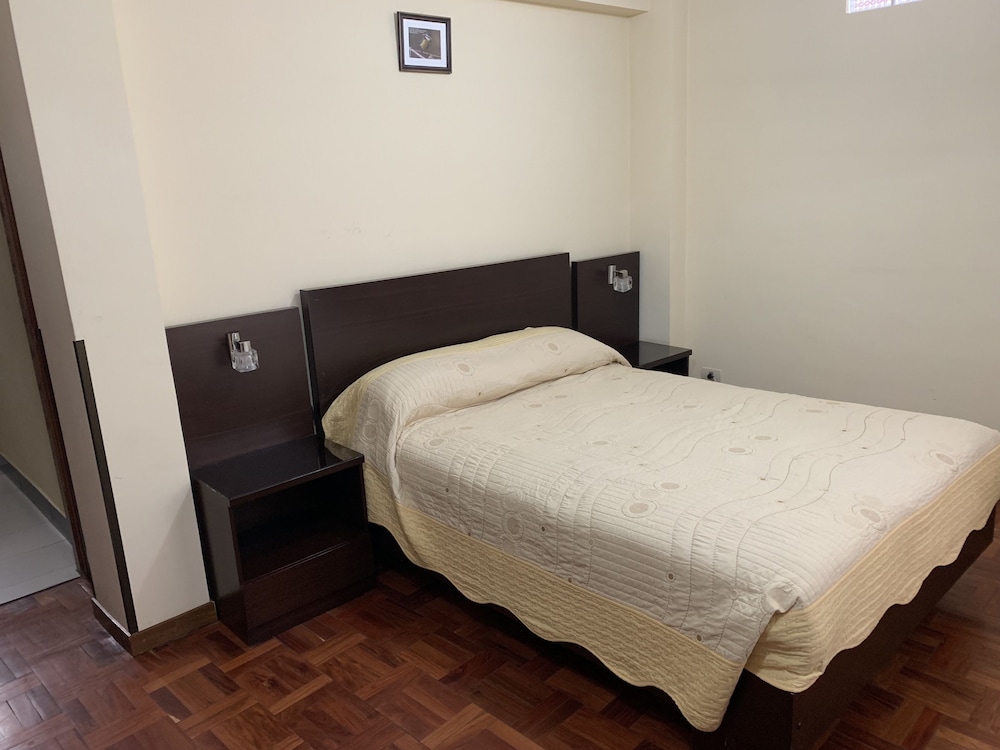
Options are three or four hospedaje-level rooms, and every one of them is within two or three minutes of the church and plaza — so pick on the room, not the street. Ask for an upper floor and a window over the cobbles if you can get one; the light in the morning is the reason to be here. Prices run $20 to $30 a night, cash, breakfast usually extra at around $3. Insist on knowing whether there is hot water, because at 1,300-odd metres in January a cold shower at 6am is a real decision, not a detail. Avoid rooms giving directly onto the plaza during the fiesta patronal unless you plan to be up anyway. If everything is taken, drive down to Cane for more beds and a paved road, or try San Antonio del Norte.
Things to do in Mercedes de Oriente

The parish church on the main plaza is the single best piece of architecture in southern La Paz — thick lime-washed walls, a squat bell tower and a dark, cool interior with old woodwork. It is often locked outside Mass times; ask at the shop opposite or the alcaldía and someone will usually open it for you.

The streets east and north of the plaza keep their stone paving and adobe façades. Between 6am and 7.30am the light is low, chimneys are going and there is nobody about. Two hours will cover every lane in the village twice, and it is the reason photographers make the trip at all.

The village exists because of colonial silver and gold workings in the surrounding hills. Adits and tailings are still visible on the slopes but they are unsigned, unstable and on private land — go only with a local who knows them, arranged through the alcaldía on the plaza, and never enter a shaft.

The shop on the plaza's north side does sweet black coffee and pan dulce for about $1.50 and functions as the village's information desk. Sit on the step from 6.30am and you will learn who is driving to La Paz, when the church opens and whether the road is passable.

Take the track north out of the village past the school and climb 30 to 40 minutes into pine forest for a view back down over the tile roofs and church tower. Best on a clear December morning when the fog has cleared and you can see across the ridges toward Aguanqueterique.

There is no restaurant. Ask at the pulpería in the morning and a household will cook for you at midday — beans, rice, cuajada, hand-made tortillas and usually chicken for $4 to $5, eaten at a family table. Say how many of you there are the night before if you can.
What to see
Hotels near Mercedes de Oriente
No hotels are listed in Mercedes de Oriente yet. The nearest ones are on the region page.
Getting around Mercedes de Oriente
From Tegucigalpa take a bus or shared car to La Paz town (around 1 hour 30 minutes, roughly $5), then find southbound pickups and small buses at the terminal near the market. Services toward Mercedes de Oriente and the neighbouring southern seats run mostly 6am to noon, cost about $4 to $6, and take 1 to 1 hour 30 minutes depending on the state of the road. Afternoon transport thins out sharply and you should not count on getting out after 3pm. In the village itself nothing is more than five minutes on foot. Driving yourself is fine in the dry season with high clearance; in a low sedan after rain, do not.
Questions about Mercedes de Oriente
If you like colonial stone villages, yes — it is the best-preserved small seat in the southern part of the department, with cobbled lanes and a fine old church. But it is a half-day place, not a two-day one, unless you are walking the surrounding hills. Pair it with Cane or Aguanqueterique on the same loop.
Cold enough that you will want a fleece and the extra blanket from November through February, when nights can feel close to single figures at this altitude. Days in that season are bright and dry. If you feel the cold, ask specifically whether your room has hot water before you take it.
Only hospedajes — three or four small guesthouses with a handful of rooms between them, all a couple of minutes from the plaza. Expect $20 to $30 a night, paid in cash, with breakfast around $3 extra. Booking online is unreliable; arriving before dark or phoning ahead is the local way.
Only with a local guide arranged through the alcaldía on the plaza. The colonial workings are unmarked, unsupported and on private land, and several are flooded or partly collapsed. Walking the hillsides to see tailings and adit mouths from outside is safe and interesting; going underground is not.