San Antonio del Norte
Small southern hill seat with a plaza church, dusty gravel approaches and two or three hospedajes under $25 a night.
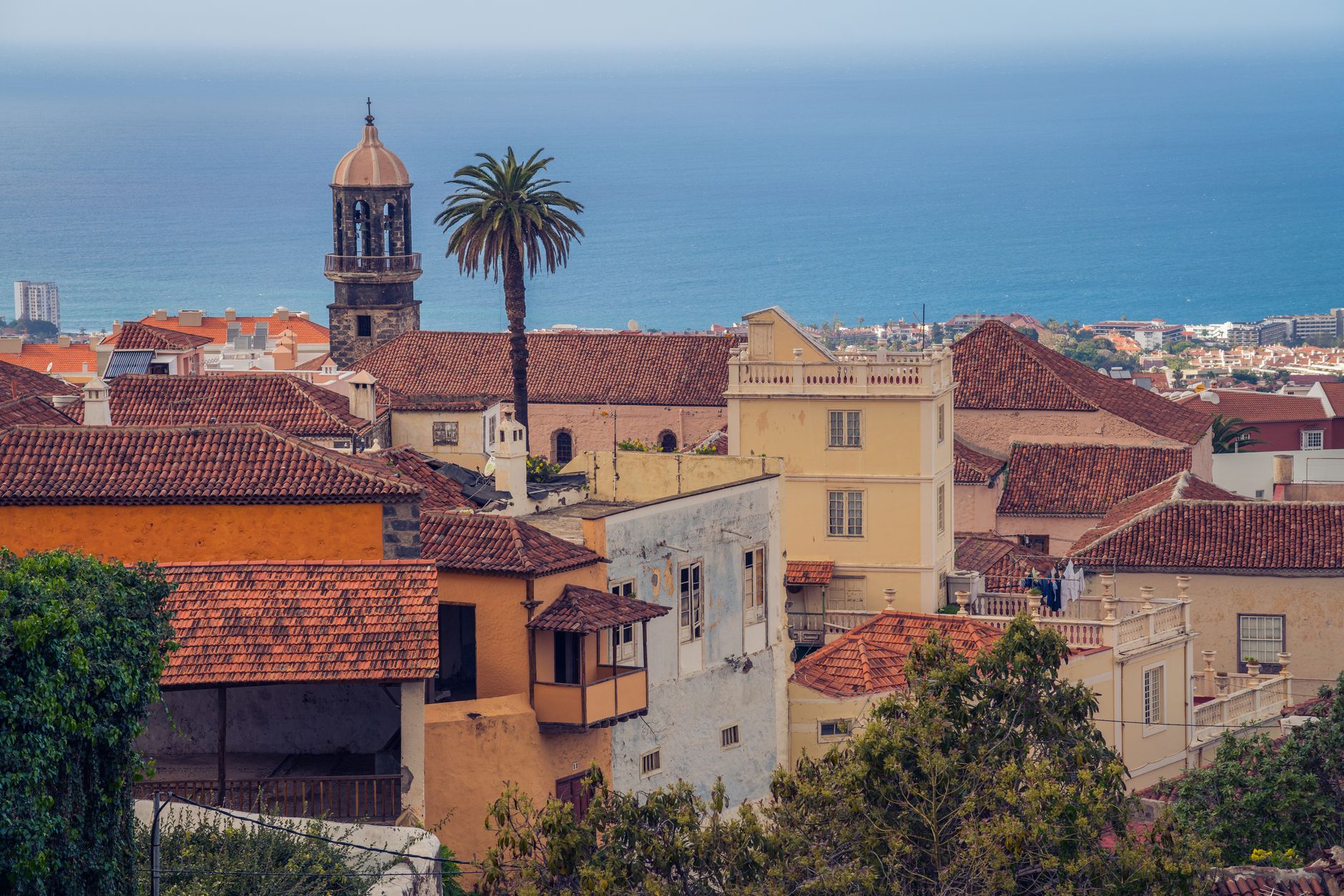
 Whitewashed church and dry hills above the village of San Antonio del Norte, La Paz
Why people stay in San Antonio del Norte
San Antonio del Norte is one of the small municipal seats scattered across the dry southern hills of La Paz, roughly on the axis between Cane and the Aguanqueterique country. It is a working village, not a destination: a plaza with a church, an alcaldía, a school, two or three pulperías, and a scattering of aldeas up the surrounding slopes that come down on Saturdays. The name says north; the geography is emphatically southern La Paz, which confuses first-time visitors and is worth knowing before you plan a route.
The landscape here is different from the coffee highlands. Instead of shaded Marcala-style farms you get dry hillsides, scrub, scattered pine, cattle and maize on impossible gradients. In the dry months from December to April the whole place is dust-coloured and the light is hard and beautiful; from June onward it greens fast and the roads suffer. The approach is gravel from whichever direction you come, and it is genuinely rough in places — this is pickup country, and locals get about in the back of them.
Evening is short. Shops close around 7pm, the plaza empties by 8pm, and by 9pm the only lit thing is a television through an open door and the occasional motorbike. There is no bar with a sign, no restaurant with a menu, no ATM, no pharmacy you would rely on. If you need any of that, do it in La Paz town or Cane before you come up. What you get in exchange is a village that has not been prettied up for anyone and where people will talk to you properly because you are the only outsider that week.
Who this suits: walkers doing the southern circuit, cyclists on gravel, anyone travelling by pickup and pulpería rather than by itinerary. Who should skip it: anybody who needs wifi that works, anybody expecting the coffee-tourism experience of Marcala and Santa Elena, and anybody arriving in a low-slung rental car in September. Rooms are hospedaje-level at $18 to $26 a night, which is exactly the price band this part of Honduras runs on.
There are two or three hospedajes and they are all effectively on the plaza or one street off it, so the decision is about the room rather than the address. Ask to see it first — that is normal here, not rude — and check the mattress, the bathroom and whether the shower has an electric heater head. Budget $18 to $26 a night in cash; there is no card machine in the village. Breakfast is usually arranged rather than included, about $3 for beans, eggs, cuajada and tortillas. Avoid the ground-floor rooms nearest the plaza on Saturday nights and during the fiesta patronal, when the sound system runs late. If the village is full — which happens only around the patron saint days — Cane has more beds and a paved road, and Lauterique or Mercedes de Oriente are within a rough hour.
Things to do in San Antonio del Norte

Saturday is when the aldeas come down. From about 6am the plaza and the street beside the alcaldía fill with vegetables, cuajada, plastic goods and men buying feed. It is over by 11am. Bring small notes; nothing here breaks a large bill and there is no ATM in the village.
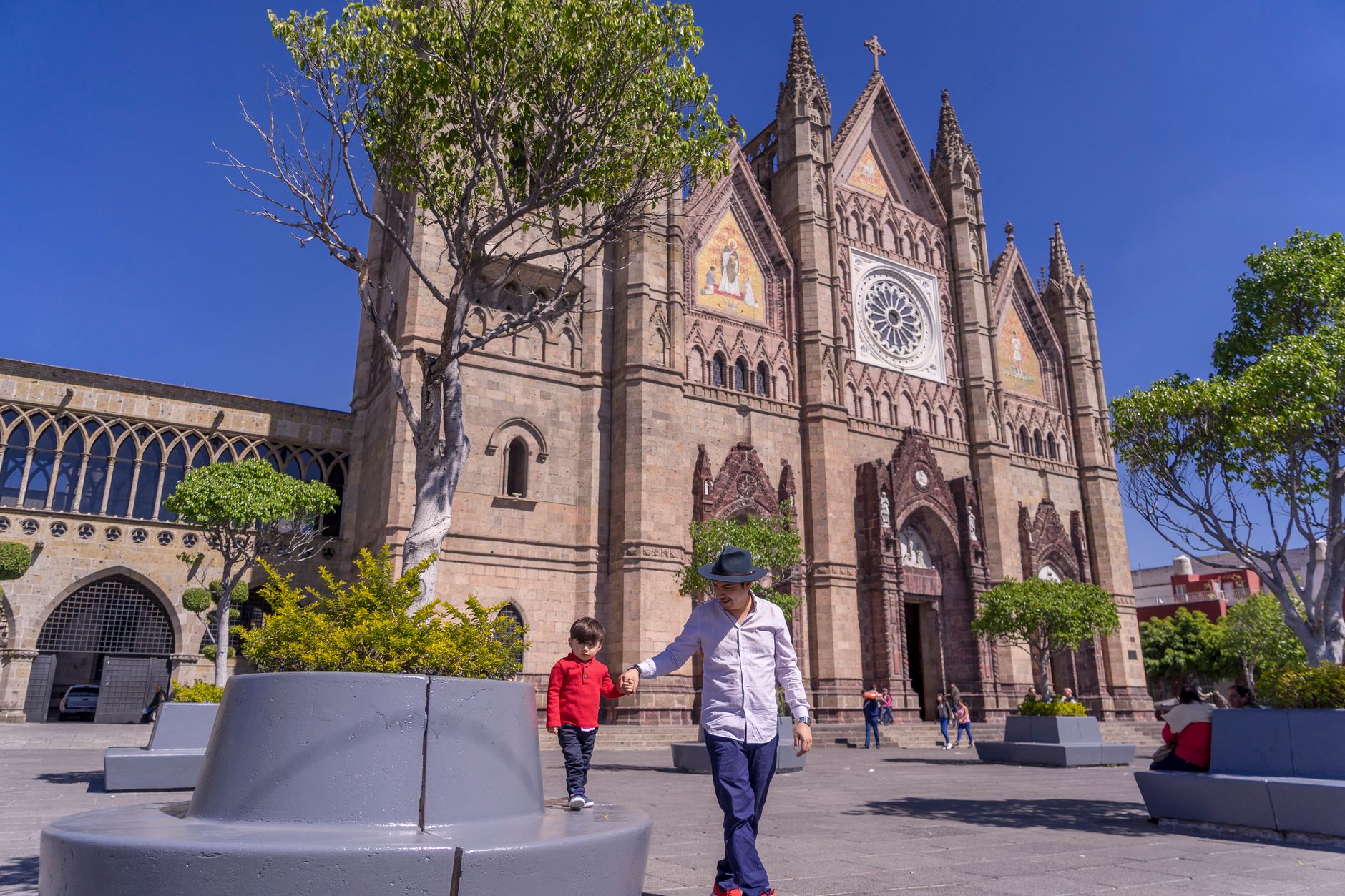
The whitewashed parish church on the central plaza is simple and unfussy, and usually open around Mass times in the early evening. The plaza benches under the trees are the coolest place in the village between 11am and 3pm, which in the dry season is not a small thing.
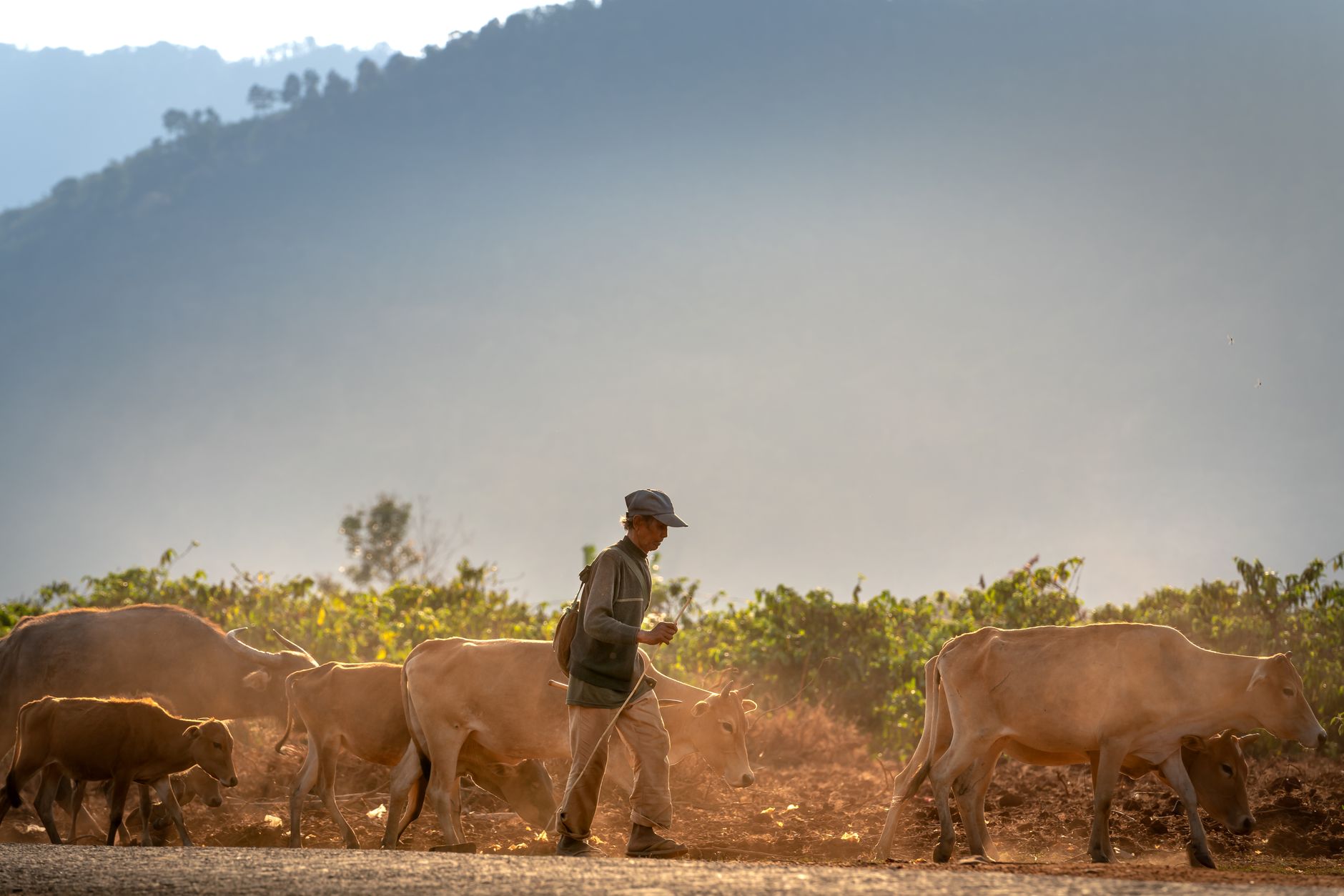
Take any of the tracks leading east or south from the last houses and inside 20 minutes you are among maize plots on gradients that look unworkable, with cattle, dry-stone lines and long views over the southern hills. Go before 8.30am; there is no shade at all after mid-morning.

The pulperías on the plaza are the timetable, the bank and the noticeboard. Sit with a $1 coffee at 6am and you will find out which pickups are running to La Paz or Cane, at what time and for what fare — usually $4 to $6 — which is the only reliable way to plan onward travel.

Follow the main gravel road out toward the north for 25 minutes to the first high bend above the rooftops. In the dry season from January to March the low sun turns the whole southern hill country orange, and you are back at the plaza before full dark. Take a torch anyway.

No restaurant, but ask at a pulpería mid-morning and a household will do you lunch or supper — beans, rice, tortillas, cuajada, sometimes chicken or a fried egg — for $4 to $5 at their own table. It is better food than anything you will buy on the highway, and it is how you meet people.
What to see
Hotels near San Antonio del Norte
No hotels are listed in San Antonio del Norte yet. The nearest ones are on the region page.
Getting around San Antonio del Norte
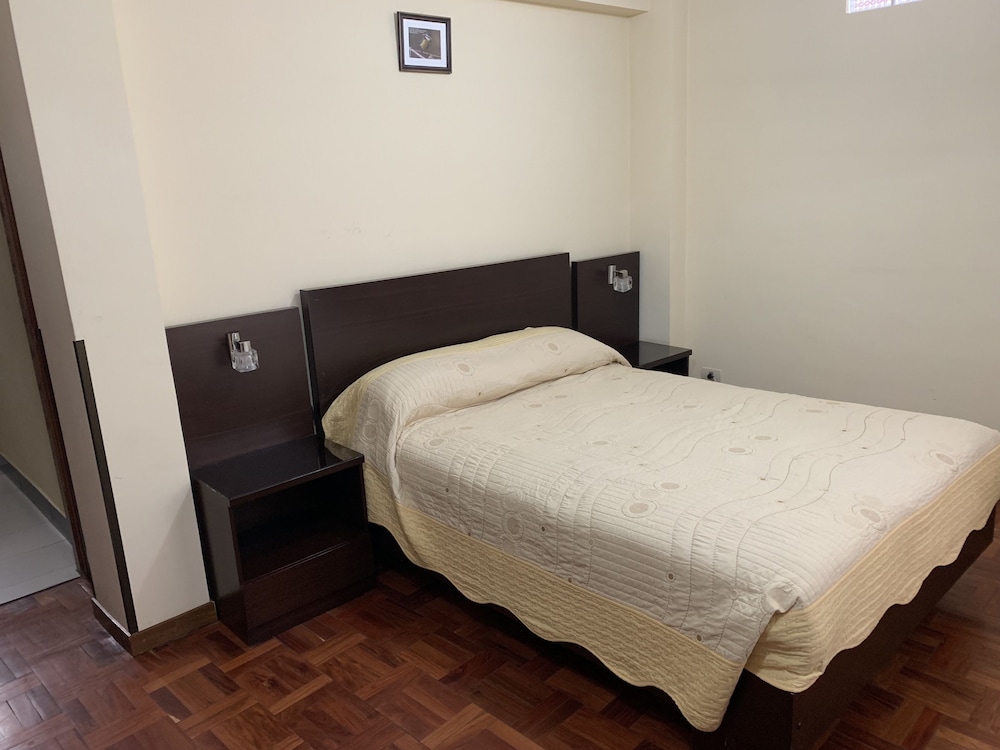
Get to La Paz town first: buses from Tegucigalpa's Comayagüela terminals take about 1 hour 30 minutes for roughly $5, and there are frequent shared cars from Comayagua. From the terminal beside the La Paz market, southbound pickups and small buses serve San Antonio del Norte mostly between 6am and noon, cost $4 to $6 and take around an hour on gravel. Afternoon departures are thin and Sunday service is worse. Once you are in the village you walk everywhere in under ten minutes. If you drive, bring high clearance and decent tyres, and do not attempt the branch roads in a sedan after heavy June-to-October rain.
Questions about San Antonio del Norte
No — despite the name it sits in the dry southern hills of the department, on the general axis between Cane and Aguanqueterique. Travellers regularly plan routes assuming otherwise and lose half a day. Check it on a map against La Paz town before you book any onward transport.
Rooms in the two or three village hospedajes run $18 to $26 a night and it is cash only — there is no card machine and no ATM in the village. Draw money in La Paz town or Cane first. Breakfast is usually arranged separately for around $3.
Mostly early. Pickups and small buses head down from around 6am and get sparse after noon, and Sundays are worse. Fares are $4 to $6 for about an hour on gravel. Ask at a plaza pulpería the evening before and someone will tell you exactly who is driving and when.
Not in the form of a restaurant with a menu. What you do instead is ask at a pulpería mid-morning and a household will cook a comida corriente for $4 to $5 — beans, rice, tortillas, cuajada, often chicken. Give as much notice as you can, ideally the night before.