Opatoro
Gateway to the Opatoro-Guajiquiro cloud forest: two simple beds, cold mornings, and the best birding in the department.
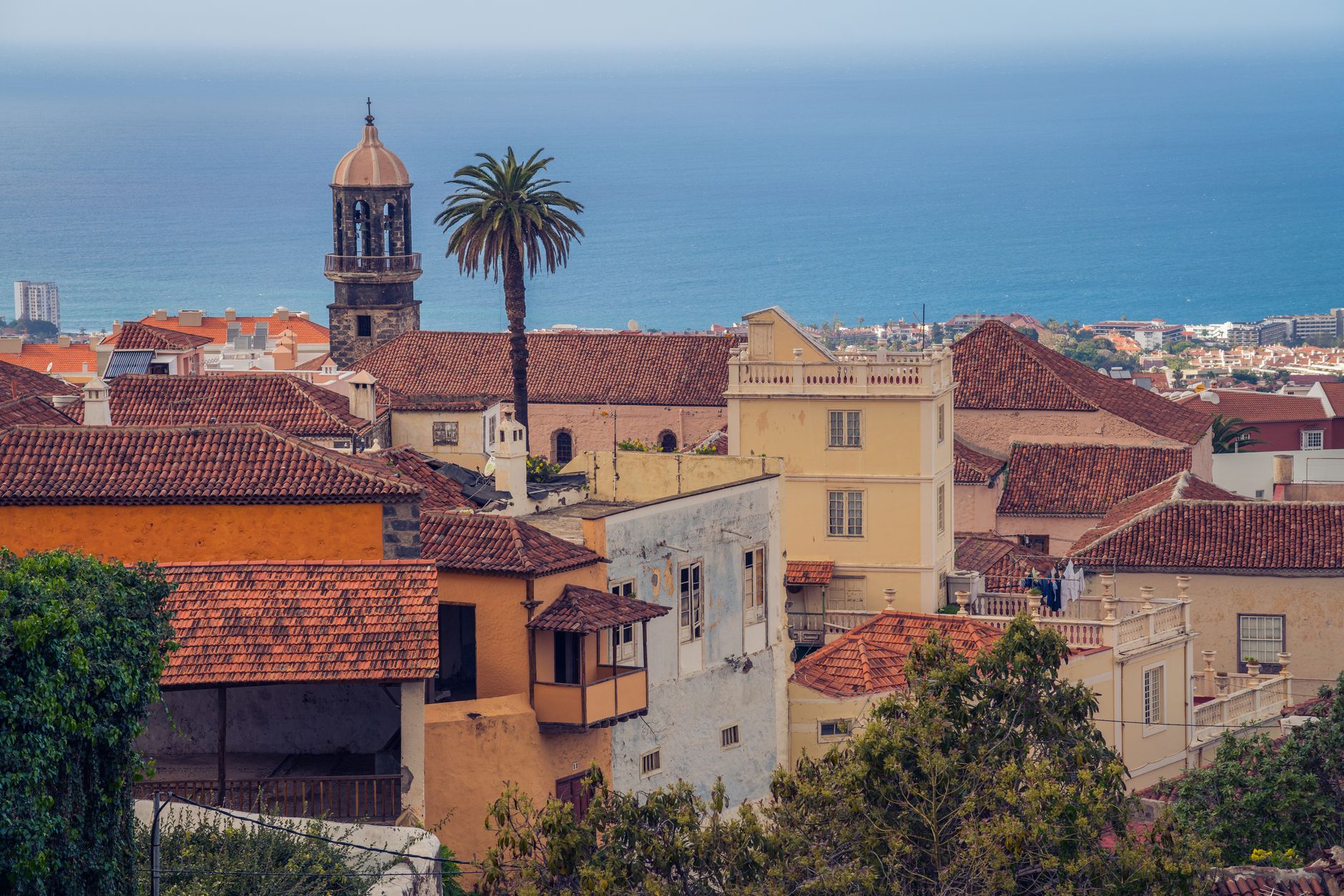
 Cloud forest above Opatoro, La Paz, Honduras, with mist over pine and oak ridges
Why people stay in Opatoro
Opatoro is a small mountain municipality on the eastern side of the department's highlands, sharing the ridge system with Guajiquiro and effectively the back door to the Opatoro-Guajiquiro biological reserve. Pine and oak below, cloud forest with epiphytes and dripping moss above, at 1,500 metres and considerably higher on the crest. The town is one plaza, one church, a municipal office, a couple of shops and a comedor. Nobody has built a tourism industry on the reserve; the trails are farm and forestry paths, the guides are people who work the land, and that is precisely the appeal.
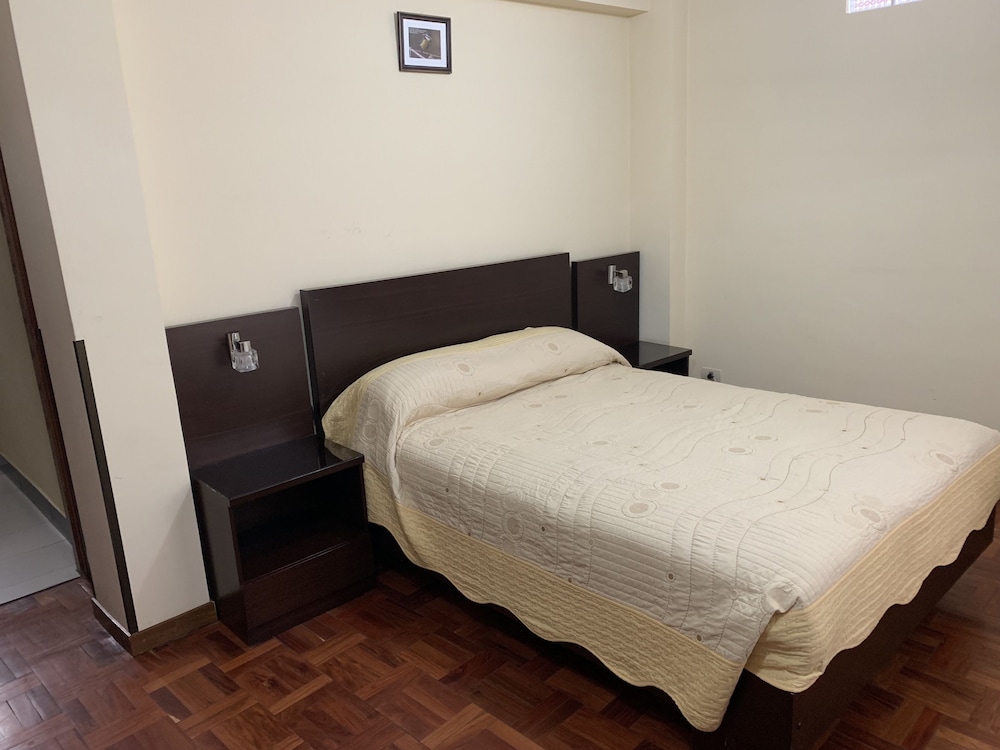
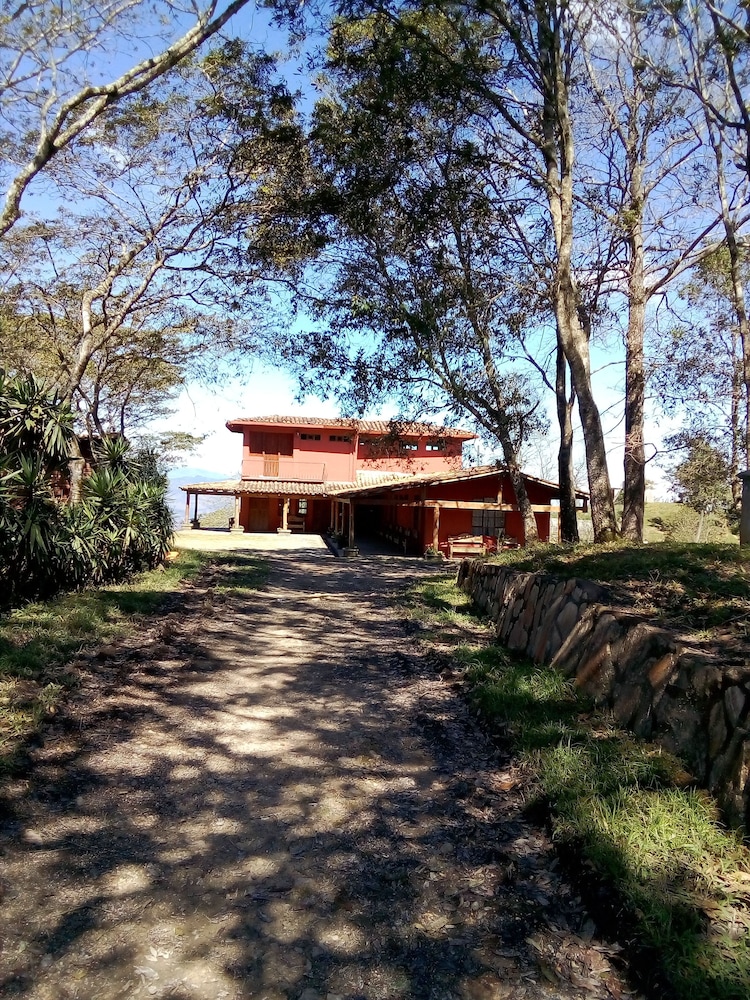
Places to sleep number about two, family lodgings at $12 to $28 including, usually, a plate of dinner and breakfast. Water may be heated on the stove. The realistic alternatives are sleeping in La Paz town for $18 to $45 and driving in, or basing in Marcala. Cash only, small notes, no ATM, and mobile signal that drops out entirely once you are on the ridge. Fill the tank before you leave the paved road, because fuel here means somebody selling out of a drum at a markup.
Nine in the evening is dark, cold and wet-smelling — cloud sits on the town for much of the year and the temperature falls fast after sunset. The comedor is closed. There is no bar. The only real evening entertainment is that the reserve's night sounds start: owls, the occasional pauraque, and nothing else. Mornings are the payoff: be on the trail by six, in mist, with mixed tanager and warbler flocks working the forest edge and a genuine chance of quetzal in the right months if you have someone who knows where to stand.
This suits birders, walkers, botanists and anyone who wants a Honduran cloud forest without an entrance building and a gift shop. It suits nobody who needs comfort, a schedule or a road they can trust in the wet. From late September into November the access track is the worst in the department, and even locals wait for the ground to firm. Bring boots, waterproofs, warm layers and low expectations about infrastructure, and Opatoro will be the best two days of your trip.
There are essentially two options and both are within a couple of minutes of the plaza: a basic hospedaje and family rooms, $12 to $28 a night, meals negotiable at $3 to $5 a plate. Ask at the municipal office beside the plaza if nothing is signposted, and take the room with a private bathroom if it exists, because at this altitude the walk down a corridor at 5am in the damp is genuinely unpleasant. Confirm dinner before 4pm and breakfast for 5.30am if you plan to be on the trail at first light — the kitchen will do it if warned, and not otherwise. Avoid aldea lodging unless you have a 4x4 parked outside, and avoid the whole municipality without a booking during the patron saint fiesta. If you need reliable hot water and Wi-Fi, sleep in La Paz town or Marcala and accept two hours of driving each way.
Things to do in Opatoro

The forest above town, on the Opatoro-Guajiquiro ridge, is the department's best birding: mixed flocks of tanagers, warblers and woodcreepers, trogons, and quetzal in the right season with the right guide. Be walking by 6am, hire a local guide for $15 to $25, and expect mud and mist rather than a boardwalk.

The route linking Opatoro with Guajiquiro along the high ground is a full day on foot or an hour and a half in a pickup, climbing through pine and oak into cloud forest. Do not attempt it solo without asking about the current state of the crossings; the track washes out in the wet months.

Nobody sells reserve tickets, so the way in is to ask at the municipal office beside the plaza for someone who guides. Rates run $15 to $25 for a half day, occasionally with a horse. Agree the route, the start time and the price the evening before, and bring your own water and lunch.

The farmland ringing town grows potatoes, cabbage, wheat and high-altitude coffee, worked in small plots on gradients that look impossible. Walking the farm tracks below the plaza for an hour tells you more about highland Honduras than any museum, and somebody will almost certainly want to talk about rainfall and prices.

Streams draining the reserve cut through the slopes below Opatoro with small falls and clear pools, thirty to sixty minutes' walk from town on farm paths. Ask locally which are running and which cross private land. Dry season only — in October these become fast brown chutes and the paths beside them are dangerous.

Walk to the upper edge of town after dark on a clear dry-season night and listen: owls in the oaks, insects, and a sky with no light pollution at all when the cloud lifts. Ten minutes is enough to understand where you are. Take a torch and warm layers, and tell your hosts you are stepping out.
What to see
Hotels near Opatoro
No hotels are listed in Opatoro yet. The nearest ones are on the region page.
Getting around Opatoro
Access is from La Paz town or Marcala and neither is quick. From La Paz, minibuses and pickups head up the Guajiquiro and Opatoro road in the morning, roughly two to three hours for $3 to $6, with a single early-afternoon return; a hired 4x4 pickup runs $60 to $100 return with waiting time. From Marcala, ask about pickups going that way rather than assuming a service exists. From Palmerola airport, taxi to La Paz for $25 to $35 and change there. High clearance is essential and a 4x4 is the honest requirement from May to November. Inside the municipality there is no transport: you walk, you ride a hired truck, or you go with whoever is heading up to the aldeas that morning.
Questions about Opatoro
There is no visitor centre or ticket office. You reach the forest on farm and forestry tracks from Opatoro or from Guajiquiro, ideally with a local guide arranged through the municipal office for $15 to $25 a half day. Start at 6am, wear boots, carry water and food, and accept mud in any month.
There is a real chance in the cloud forest on the ridge, best in the breeding months in spring, and a much better chance with someone who knows the fruiting trees. Nothing is guaranteed — this is unmanaged forest, not a lodge feeder. Even without quetzal, the mixed tanager and warbler flocks make the dawn walk worth it.
If you want dawn on the ridge, sleep here: the family rooms cost $12 to $28 and put you at the trailhead at 6am. If you mainly want the drive and the views, day-trip from La Paz town, but budget four to six hours of road and be back on the pavement before dark.
Paved for the first stretch, then a long climb on gravel and rough surface with steep sections and no barriers. Two to three hours in a pickup, more after rain. From late September through November it is the worst road in the department; if you do not have 4x4 and mountain driving experience, hire a local driver instead.