Day trip to Cueva del Gigante from La Paz
One of the most important archaeological sites in the Americas sits above a valley three hours from your hotel, and almost nobody visits. Here is how to actually get there, for $60 to $130 with a driver.
 Limestone bluff above the Estanzuela valley near Marcala, La Paz, Honduras
What Cueva del Gigante is, and why it matters
Cueva del Gigante is a rock shelter high on a bluff in the Estanzuela valley, in the Marcala area of La Paz department. Excavations there produced an exceptionally deep and well-preserved sequence of plant remains, including maize cobs dated to thousands of years old, making it one of the key sites for understanding the domestication of maize and the transition to agriculture in Central America. That is a genuinely global story, and it happened in a valley reached by a dirt road most visitors to Honduras never hear of.
Set expectations correctly before you commit a day. This is not a lit show cave with handrails, a ticket office and a gift shop. It is an archaeological site on a slope, reached on foot, with interpretation depending entirely on whichever community guide takes you. What you get is the setting, the shelter itself, the view over the valley and the strange feeling of standing where people processed maize before writing existed anywhere. If you need a museum experience, this is not that; if you like context and effort, it is superb.
Getting there from La Paz
The route is La Paz to Marcala first, then out into the Estanzuela valley. Marcala is roughly 70 kilometres south-west of La Paz and two to two and a half hours by mountain road; buses cost $3 to $4 and run through the morning. From Marcala it is a further stretch of secondary and dirt road into the valley, which is where public transport stops being useful. Realistically you either hire a driver for the whole day from La Paz at $90 to $130, or bus to Marcala and hire locally there.
The local option is cheaper and more flexible: a mototaxi or pickup from Marcala for $20 to $40 depending on distance and waiting time, arranged the evening before through your hotel or a cooperative contact. In the rainy season, from roughly June to October, the final approach can become impassable to ordinary vehicles, and no amount of money makes a two-wheel-drive car climb a washed track. Ask about conditions the day before rather than discovering them at 10am with a driver shrugging.
Arranging access and a guide
Access runs through the local community rather than a national ticketing system, and that is the single most important thing to understand. Arrange it in Marcala a day or more ahead: your hotel, a cooperative office, or a driver who works the valley will know who to call. Expect to pay a guide $15 to $30 for the visit, plus transport, and to be walking with someone who knows the ground rather than an archaeologist. Turning up unannounced at the trailhead is likely to get you nothing but a long drive back.
Go with the right posture. This is a protected archaeological site in a farming community, so do not touch, remove or dig anything, do not fly a drone without asking, and ask before photographing people or houses. A small tip on top of the agreed price is normal and appreciated. If you speak no Spanish, bring someone who does or accept that the visit will be visual rather than explanatory, which is a real loss at a site whose entire value is the story.
Pairing it with Cascada La Estanzuela
The same valley holds Cascada La Estanzuela, a waterfall with a swimmable pool and a small entry fee of a dollar or two, and the two together make the day worth the drive. Do the cave in the morning while the ground is dry and the light is good, then the falls in the early afternoon when you want to be cool and horizontal. Facilities are minimal: expect a food stand, maybe a changing area, no lockers. Bring a towel, water shoes and cash in small notes.
Weekends transform the waterfall. Honduran families arrive with coolers, speakers and folding chairs, which is enjoyable but not a wilderness experience. Weekday mornings are quiet enough to hear the water. After heavy rain upstream, the pool runs brown and the rocks get genuinely dangerous, so check with your driver before planning to swim. Total for the paired day, with driver, guide and entries, works out at $60 to $80 per person for two people sharing, or less if you bus to Marcala first.
What to bring and how the day runs
Leave La Paz at 6.30 or 7am. Wear boots or trainers with grip, because the approach is uneven and can be slick; bring at least two litres of water, sunscreen, a hat, insect repellent and a light rain layer, since afternoon showers appear fast at altitude even outside the wet season. Cash in small denominations covers the guide, entries, mototaxi and lunch, and there are no ATMs past Marcala. A power bank is useful because you will be out of a room for twelve hours.
The rhythm is: two to two and a half hours up, an hour or so of transfer and walking in the valley, one to two hours at the site, lunch in Marcala or from a stand for $3 to $5, the waterfall, then two and a half hours down. Aim to leave Marcala by 4pm. If that sounds tight, it is, which is why many people who care about the site stay a night in Marcala at $20 to $40 and split the day in two.
Is it worth it? An honest verdict
If you are a traveller who likes archaeology, prehistory or the way food crops shaped civilisations, this is the most interesting single thing in La Paz department and it will stay with you longer than any view. The absence of infrastructure is the point: you will likely be the only visitors, guided by someone from the community, standing in a shelter that changed what researchers know about maize. Few places in Central America offer that ratio of significance to crowds.
If you want a comfortable, legible, half-day attraction, skip it and do Comayagua or the waterfall alone. The drive is long, the site depends on a guide showing up, the season can close the road, and there is nothing to buy or read on site. Judge honestly which traveller you are. Either way, base yourself in La Paz or Marcala where a room costs $20 to $45, and treat the cost of the driver as the price of the whole experience.
Frequently asked questions
What people ask before they set off on this one.
It is a rock shelter in the Estanzuela valley in the Marcala area of La Paz department, in the mountainous south-west of the country. From La Paz town, reaching it means two to two and a half hours to Marcala plus a further drive on secondary and dirt roads into the valley.
Yes, but through local community guides rather than a ticket office. Arrange it in Marcala a day or more ahead via your hotel, a cooperative or a driver who works the valley. Expect to pay a guide $15 to $30 plus transport, and expect a walk on uneven ground rather than a developed cave attraction.
Excavations there uncovered a remarkably long, well-preserved record of plant remains, including ancient maize, which has made it a reference site for understanding early agriculture in Central America. Its scientific importance is far greater than its visitor infrastructure suggests.
With a private driver for the full day, budget $90 to $130 for the vehicle plus $15 to $30 for a guide and a few dollars in entries. Going by bus to Marcala at $3 to $4 and hiring a mototaxi or pickup locally for $20 to $40 brings the total down substantially.
December to April, in the dry season, when the valley tracks are firm and the walking is safe. Between June and October the final approach can become impassable to ordinary vehicles and the visit may be cancelled on the day, so always check conditions the evening before.
Yes, and it is the standard pairing since both are in the same valley near Marcala. Do the cave in the morning and the waterfall after lunch. The falls charge a small entry fee of a dollar or two and have minimal facilities, so bring a towel and cash.
Hotels in La Paz
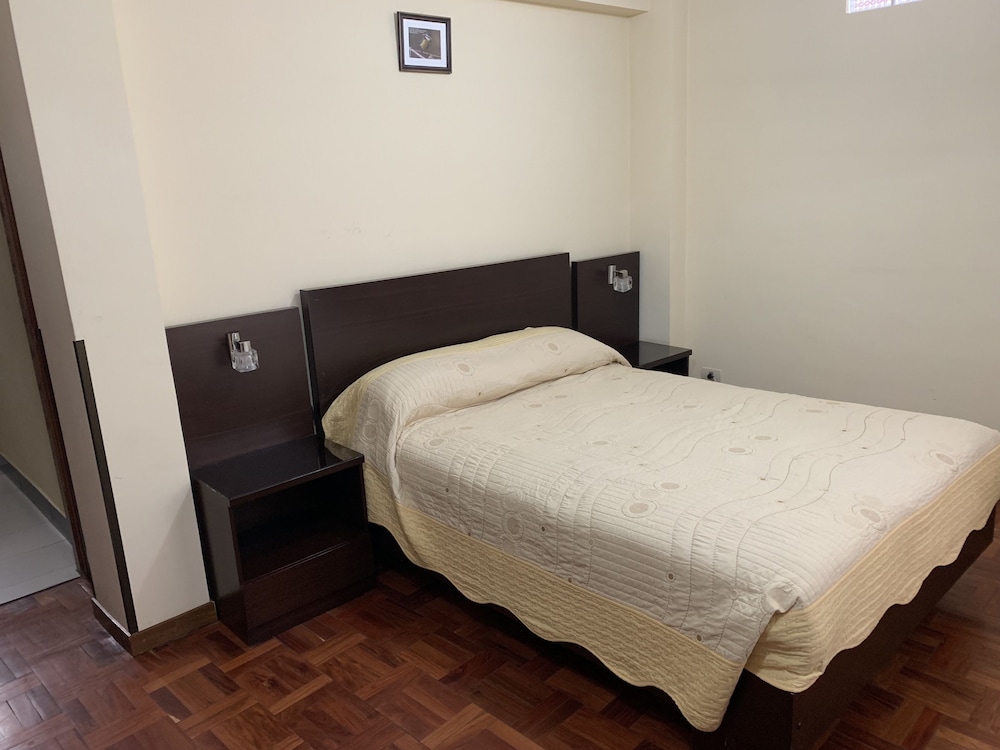
Hotels we cover across La Paz
- Lobo Hostel La Paz 1★
- Diesbu Hotel
- Met Hotel 5★ · 4.7/5
- Hotel Montecillos 3★ · 4.7/5
- Casa Grande Hotel 5★ · 4.6/5
- Hotel Mitru Sur 4★ · 4.6/5
- Suites Camino Real 4★ · 4.6/5
- Stannum Boutique Hotel & Spa 4★ · 4.5/5
- Hotel Rennova 3★ · 4.5/5
- Atix Hotel a Member of Design Hotels 5★ · 4.4/5
- Ritz Apart Hotel 4★ · 4.4/5
- Hotel Presidente 5★ · 4.3/5
- Casa Fusion Hotel Boutique 4★ · 4.3/5
- Hualimei Hotel 4★ · 4.3/5
- La Casona Hotel Boutique 3★ · 4.3/5
- Madero Hotel & Suites 4★ · 4.2/5
- Las Brisas 3★ · 4.2/5
- Residencial Alta Vista 3★ · 4.1/5
- Hotel Gran Aurum 2★ · 4.1/5
- Hotel Sagarnaga 3★ · 4/5
- Hotel Rey Palace 4★ · 3.9/5
- Panamerican Hotel 3★ · 3.8/5
- Casa Grande Suites 5★
- Casa Grande Express 3★
More guides to La Paz
All guides Itineraries · 8 min read
48 hours in La Paz
Itineraries · 8 min read
48 hours in La Paz
Two days is enough to see the departmental capital properly and still get one full day in the coffee mountains. Here is the hour-by-hour version, with rooms from about $22 a night.
 Itineraries · 10 min read
One week in La Paz
Itineraries · 10 min read
One week in La Paz
Seven days is the right length for this department: three bases, four day trips, and two full days that need no plan at all. Expect to spend $45 to $70 a day for two people, rooms included.
 Itineraries · 9 min read
La Paz in 3 days on a budget
Itineraries · 9 min read
La Paz in 3 days on a budget
Three days in La Paz department on $30 to $40 a day per person, rooms included. It is not deprivation travel here; it is simply what things cost.
Compare real prices across La Paz city, Marcala and the towns between them, and remove a verified tonne of CO2 with every booking.