Day trip to Marcala from La Paz
Two and a half hours of switchbacks buys you Honduras at 1,300 metres and the country's most famous coffee town. Buses are $3 to $4 each way; beans are $5 to $8 a pound at source.
 Coffee cherries drying on a patio outside Marcala, La Paz, Honduras
Getting there: bus, mototaxi or hired car
Marcala lies roughly 70 kilometres south-west of La Paz town, up through pine ridges into the highlands. Direct buses leave from the La Paz terminal area through the morning, cost about $3 to $4 and take two to two and a half hours depending on road works and how many aldeas the driver stops at. There is no fixed timetable you can rely on from abroad, so confirm departures in person the day before. Sit on the right leaving La Paz for the valley views and take a jacket, because the temperature drops noticeably above 1,000 metres.
The alternative is a hired car and driver, $80 to $120 for the day including waiting time, which makes sense for two or three people and is close to essential if you want the Estanzuela valley in the same trip. Do not attempt this as a self-drive day in a low-clearance rental during the rainy season, when sections of the mountain road wash and patch repeatedly. Whatever you take, plan to be heading back down by 3.30pm at the latest: afternoon buses thin out and the descent after dark is not worth the extra hour.
Why Marcala coffee matters
Marcala is not simply a town that grows coffee. Cafe Marcala was the first Honduran product to receive a protected designation of origin, covering high-altitude farms in this corner of La Paz department and neighbouring Intibuca, and the region's cooperatives export washed arabica that turns up on specialty menus in Europe, Japan and North America. Altitudes of 1,200 to 1,700 metres, volcanic soils and a long dry harvest season give the cups their acidity and clarity. This is the reason your $1 counter coffee in La Paz tastes better than a $5 one somewhere else.
The cooperative model is the second half of the story. Organisations like COMSA and RAOS group hundreds of smallholders, run their own mills and roasting operations, and sell certified organic and fair-trade lots directly. Many operate storefronts in Marcala where you can buy roasted beans for $5 to $8 a pound, which is the same coffee that costs three or four times that abroad. Bring cash and ask them to grind it only if you are drinking it within the week; whole bean travels far better.
What to do in town
Marcala itself is small and walkable in a morning. Start at the central park, ringed by the church, small shops and pulperias, where the town does its sitting and its gossiping. Parque Peru, the other green space locals point visitors toward, is a good spot to eat something you bought at the market. The municipal market runs mornings and is worth an hour for produce, dried beans, cheese, and the cheap enamel and plastic goods that make Honduran markets useful rather than picturesque. Most of it winds down by early afternoon.
Eat lunch at a comedor for $3 to $5: chicken or beef with rice, red beans, tajadas and chismol, or a soup on a cold day. Coffee in a Marcala cafe costs $1 to $2 and it would be perverse to skip it. If the weather closes in, which it does with little warning at this altitude, the cooperative shops and the market keep you dry and are where the interesting conversations happen anyway. There is no formal tourist office, so hotels and cooperative staff are your information network.
Coffee farms and mills: how to actually visit
Farm visits exist but are not walk-up attractions. Arrange through a cooperative office in Marcala, through your hotel in La Paz, or through a driver who knows the area, ideally a day or more in advance. Expect $15 to $35 per person for two to three hours, covering the picking rows, the wet mill, fermentation tanks, drying patios and, on a good visit, a cupping table where you slurp five or six lots and finally understand what the words on export bags mean.
Timing matters more than anywhere else in this department. Harvest runs roughly November through March and peaks between December and February; that is when patios are covered in drying parchment and mills are running. Visit in June and you will see beautiful green farms and no activity. Wear closed shoes with grip, because patios and slopes are slick, and bring cash in small notes to buy beans at the end, which is both good manners and the cheapest coffee you will ever carry home.
Adding the Estanzuela valley
Most people who make the effort to reach Marcala pair it with the Estanzuela valley nearby, which holds Cascada La Estanzuela, a swimmable waterfall with a small entry fee of a dollar or two, and the ridge containing Cueva del Gigante, the rock shelter whose excavations produced some of the earliest evidence of domesticated maize in the Americas. Access to the cave is through community guides rather than a ticket booth, so it needs arranging in advance and is not a turn-up-and-see-it site.
A mototaxi from Marcala to the waterfall and back is $10 to $20 negotiated before you get in; a driver holding for the afternoon is $25 to $40. Go in the morning if you want the falls to yourself, since weekends bring Honduran families with coolers and speakers, which is fun but not solitude. Bring a towel, water shoes if you have them, and cash, and expect no facilities beyond a small food stand. Rain upstream can make the pool cloudy and the rocks treacherous.
Doing it as a day trip versus staying over
The honest verdict: Marcala works as a day trip from La Paz but works better as a one-night stay. As a day trip you get roughly five hours in town after four to five hours on the road, which is enough for the market, lunch, coffee shopping and either the waterfall or a short mill visit, but not both plus a farm. If that is your schedule, take the earliest bus, skip the sit-down lunch in favour of market food, and prioritise the cooperative shops.
Staying over costs $20 to $40 for a room and changes the trip completely: a cold, quiet night at altitude, an early farm visit when the light is good and the mill is working, and a relaxed bus back the next afternoon. It also removes the anxiety of watching the clock on the descent. If you are basing a week in the department, the standard split is four nights in La Paz town and two in Marcala, using the mountain road only twice.
Frequently asked questions
What people ask before they set off on this one.
About 70 kilometres south-west, but the mountain road means two to two and a half hours each way. Buses charge $3 to $4 and run through the morning; a hired car and driver costs $80 to $120 for the day. Leave La Paz by 7am if you are doing it as a day trip.
Yes. Cooperative storefronts in town sell roasted beans from the Cafe Marcala protected designation of origin at roughly $5 to $8 a pound, in cash. Ask for whole bean rather than ground if you are travelling for more than a few days, and ask which harvest lot you are buying.
Roughly November through March, peaking December to February. That is the window when farms are picking, wet mills are running and drying patios are full, so it is the only time a farm visit shows you the whole process. Outside those months tours are cheaper but largely static.
Yes if you have half an afternoon and a way to get there. It is a swimmable waterfall a short mototaxi ride from Marcala, with an entry fee of a dollar or two and no real facilities. Weekends bring local families and music; weekday mornings are quiet.
Effectively, yes. Cooperatives are working businesses, not visitor centres, and turning up unannounced during harvest usually gets a polite refusal. Arrange through your La Paz hotel or a cooperative office a day or two ahead and expect to pay $15 to $35 per person.
If your schedule allows, yes. Rooms cost $20 to $40, the night air at 1,300 metres is a relief after the valley heat, and an overnight lets you do both a farm visit and the Estanzuela valley without racing the last bus down the mountain.
Hotels in La Paz
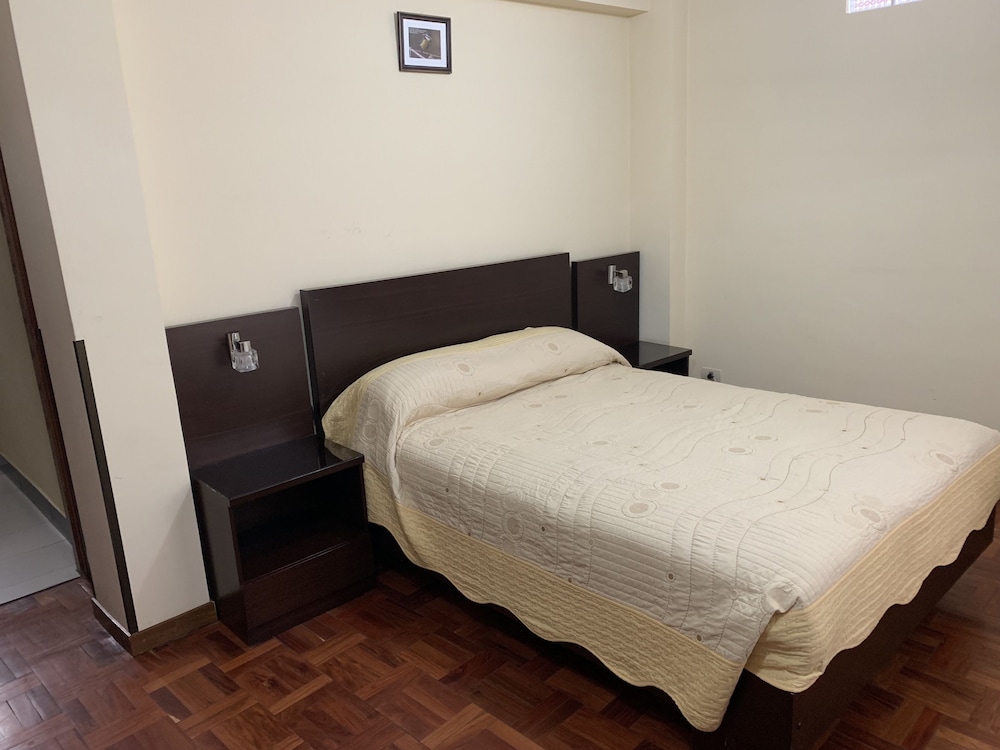
Hotels we cover across La Paz
- Residencial Alta Vista 3★ · 4.1/5
- Hotel Gran Aurum 2★ · 4.1/5
- Hotel Sagarnaga 3★ · 4/5
- Hotel Rey Palace 4★ · 3.9/5
- Panamerican Hotel 3★ · 3.8/5
- Casa Grande Suites 5★
- Casa Grande Express 3★
- Hotel Soliman 2★
- Nomada Hostal 2★
- The Adventure Brew Hostel 2★
- Lobo Hostel La Paz 1★
- Diesbu Hotel
- Met Hotel 5★ · 4.7/5
- Hotel Montecillos 3★ · 4.7/5
- Casa Grande Hotel 5★ · 4.6/5
- Hotel Mitru Sur 4★ · 4.6/5
- Suites Camino Real 4★ · 4.6/5
- Stannum Boutique Hotel & Spa 4★ · 4.5/5
- Hotel Rennova 3★ · 4.5/5
- Atix Hotel a Member of Design Hotels 5★ · 4.4/5
- Ritz Apart Hotel 4★ · 4.4/5
- Hotel Presidente 5★ · 4.3/5
- Casa Fusion Hotel Boutique 4★ · 4.3/5
- Hualimei Hotel 4★ · 4.3/5
More guides to La Paz
All guides Itineraries · 8 min read
48 hours in La Paz
Itineraries · 8 min read
48 hours in La Paz
Two days is enough to see the departmental capital properly and still get one full day in the coffee mountains. Here is the hour-by-hour version, with rooms from about $22 a night.
 Itineraries · 10 min read
One week in La Paz
Itineraries · 10 min read
One week in La Paz
Seven days is the right length for this department: three bases, four day trips, and two full days that need no plan at all. Expect to spend $45 to $70 a day for two people, rooms included.
 Itineraries · 9 min read
La Paz in 3 days on a budget
Itineraries · 9 min read
La Paz in 3 days on a budget
Three days in La Paz department on $30 to $40 a day per person, rooms included. It is not deprivation travel here; it is simply what things cost.
Compare real prices across La Paz city, Marcala and the towns between them, and remove a verified tonne of CO2 with every booking.