Free things to do in La Paz
You can fill three full days in and around La Paz department without paying an entry fee once — here are 14 free things worth your time, from the cathedral steps in La Paz town to the coffee mills of Marcala.
 Central plaza in La Paz, Honduras, with the parish church and pine-covered hills behind
Start in the plaza: La Paz town centre for nothing
La Paz town is small, walkable and free. The Parque Central sits on the flat between 1a and 3a Calle, with the Iglesia Nuestra Señora de la Paz on the east side — walk in during the day, sit in the back, leave a few coins if you feel like it. Nobody charges. Mornings from about 6:30am the plaza fills with people buying baleadas from the carts on the north corner and reading the paper on the benches; by 4pm it is schoolkids and shoe-shiners. If you are staying at one of the budget hotels around 2a Calle — most La Paz rooms run $18 to $40 a night — this is a two-minute walk from your door.
From the plaza, climb to the Cerro Guajiquiro overlook road on the town's western edge. It is a steep 20 to 30 minute walk on paved and then gravel road, and it gives you the whole Comayagua valley opening out to the north, with the Cordillera de Montecillos ridgeline behind you. Bring water; there is no shade and no kiosk. On clear December mornings you can see the haze over Comayagua city, roughly 20 km away. Go up before 9am or after 4pm — midday sun here is punishing even at 700 metres, and there is nowhere to shelter along the way.
Coffee country for free: Marcala mills and drying patios
Marcala, about 85 km southwest of La Paz town and reachable by direct bus for around $3, is the reason people outside Honduras know this department at all. Its coffee carries a protected denomination of origin, and during harvest — roughly November through February — the town smells of fermenting mucilage. Walking the streets around the beneficios on the road toward Chinacla costs nothing: you will see red cherry arriving on pickups, patios of parchment being raked in herringbone rows, and workers shovelling at 6am. Most mill staff will let you stand at the fence and watch, and several will wave you into the yard if you ask politely in Spanish.
Free tasting is genuinely common in Marcala if you are willing to buy a bag afterwards. Cooperative offices in the centre — the town has several producer associations with storefronts near the Parque Central — will often pour you a cup at the cupping table while explaining altitude and varietal, then sell you 500 grams for $6 to $9. That is not an entry fee, it is a purchase, and it is the best coffee value in Honduras. Ask about pickup times if you want to ride along to a farm; growers heading home at midday sometimes take passengers up the mountain for nothing.
Parque Soberanía and Parque Peru Marcala
Parque Soberanía in La Paz town is the local answer to an evening walk: paved paths, benches, a basketball court that fills after 5pm, and no gate. It is the place to see what the town actually does with its free time — families circling, teenagers on the court, vendors selling shaved ice for about $0.50 and elotes for $1. Weekend afternoons occasionally bring municipal events with live marimba or a school band, all free, announced on paper flyers taped to shop windows rather than online. If you are staying nearby, budget half an hour before dinner and you will have seen more of local life than any paid attraction offers.
In Marcala, Parque Peru is the equivalent: a shaded public park in the town centre, popular in the cool late afternoon once the coffee trucks stop rolling through. Bring a book, sit under the trees, and watch a town that runs on one crop. Both parks are safe in daylight and through the early evening while people are around; both empty out by 9pm, and that is your cue to move on. Neither has reliable public toilets, so plan around the comedores and pulperías that ring the squares — a $1 soda buys you access.
Free hikes: Cascada La Estanzuela and the Montecillos foothills
Cascada La Estanzuela, in the hills of the La Paz–Marcala corridor, is the department's headline waterfall and reaching the base costs nothing beyond transport. There is no formal ticket booth on most approaches, though a community fee of $1 to $2 is sometimes collected by whoever maintains the trail — pay it, it is not a scam and it funds the path. The walk in is 20 to 45 minutes depending on where your ride drops you, muddy from June through October, and genuinely slippery on the last descent. Wear shoes with tread, not sandals, and do not swim alone in the plunge pool after heavy rain.
Beyond the falls, the Montecillos foothills are laced with farm tracks that make excellent free walking. Pick a dirt road heading uphill from any village on the Marcala highway, follow it for an hour, turn around. You will pass coffee under shade, pine forest, and Lenca smallholdings where people will greet you first. There are no marked trails, no maps and no rescue service, so tell your hotel where you are going, carry two litres of water, and turn back at 3pm. Cell signal is patchy above 1,400 metres, and afternoon cloud comes in fast on the ridges.
Lenca heritage, markets and church-hopping
La Paz department is a heartland of Lenca culture, and much of what makes that visible is free to observe. Village churches in Guajiquiro, Opatoro and Yarula — reachable by rough bus or pickup from La Paz town for $2 to $4 — are open, plain, and often the oldest structures for miles. Sunday morning is when they matter: services, market stalls outside, women in traditional dress selling produce. Photograph people only after asking. Buying a $1 bag of tortillas or a handful of tomatoes is the polite way to justify your presence in a village that sees very few foreigners.
The municipal market in La Paz town, off 3a Calle, is free to walk and one of the best hours in the department. Cheese wrapped in banana leaf, dried beans by the pound, live chickens, machetes, plastic sandals. Nobody will hassle you to buy. Go between 7am and 10am when it is busiest and coolest. The same applies in Marcala's market, smaller but with better coffee and honey. Neither has an entry charge; both reward a slow lap before you commit to anything, and both are where you learn real prices before you shop anywhere else.
Free at your hotel: what to expect under $50
The stay side matters because in La Paz the free extras usually come from your hotel rather than the town. Under $50 — and most rooms here sit at $18 to $40 — you can reasonably expect free Wi-Fi, free parking in a gated yard, free filtered or bottled drinking water in the lobby, and a free cup of local coffee in the morning. Some family-run places on the approach roads into La Paz town include a simple breakfast of eggs, beans, plantain and tortillas at no extra charge. Ask before booking; it is worth $3 a day and saves you the walk.
Hotel owners are also your best free resource for logistics. They know which pickup leaves for Guajiquiro at 6am, whether the road to the falls is passable, and which comedor is open on Sunday. In Marcala, guesthouse hosts frequently have family in coffee and will arrange an informal farm visit for nothing. None of this is advertised. It comes from asking at the desk in the evening, in Spanish where possible, and from being the guest who says good morning. Tip $2 to $3 if someone drives you somewhere out of their way.
Frequently asked questions
What people ask before they set off on this one.
There is no official government ticket, but community groups on some access trails collect $1 to $2 per person for path upkeep. Pay it — it is legitimate and the trail needs the money. Transport from La Paz town or Marcala is your real cost, roughly $2 to $5 each way by bus and pickup. Budget half a day round trip and do not go in the hours after heavy rain.
Formal tours run $10 to $25 per person, but informal visits are common and often free if you show genuine interest and buy coffee afterwards. Cooperative offices around Marcala's Parque Central will frequently pour you a cup at the cupping table at no charge. Harvest season, November to February, is when there is most to see and when growers are most willing to have you walk their patio. Ask your guesthouse host — many have family in coffee.
Walk the Parque Central and the parish church, lap the municipal market off 3a Calle in the morning, spend the late afternoon in Parque Soberanía, and climb the western overlook road for valley views. That is a comfortable full day at zero cost. The town is compact enough that everything is within 20 minutes on foot from most budget hotels. Add a $1 elote and you have spent a dollar.
The plaza and Parque Soberanía are fine while busy, generally until about 9pm on weeknights and later at weekends. After the parks empty, take a taxi for $1.50 to $2 rather than walking unlit side streets. Do not hike the overlook road or any rural track after dark. Standard Honduran precautions apply: no phone out on quiet streets, no visible cash, and ask your hotel which blocks to skip.
No, but it helps. Buses connect La Paz town to Marcala for about $3 and run several times daily, and pickups serve the Lenca villages for $2 to $4. The catch is timing: rural departures cluster in the early morning and dry up by mid-afternoon. Without your own vehicle, plan one destination per day and always confirm the last return with the driver before you get out.
November to February is ideal: dry trails, clear valley views, cool mountain mornings, and the coffee harvest in full swing in Marcala. June through October brings heavy afternoon rain that turns the waterfall trail to mud and hides the ridge views in cloud. If you come in the wet season, do your walking before noon and keep flexible plans. Daytime highs sit around 25 to 30°C year-round in La Paz town, cooler in Marcala.
Hotels in La Paz
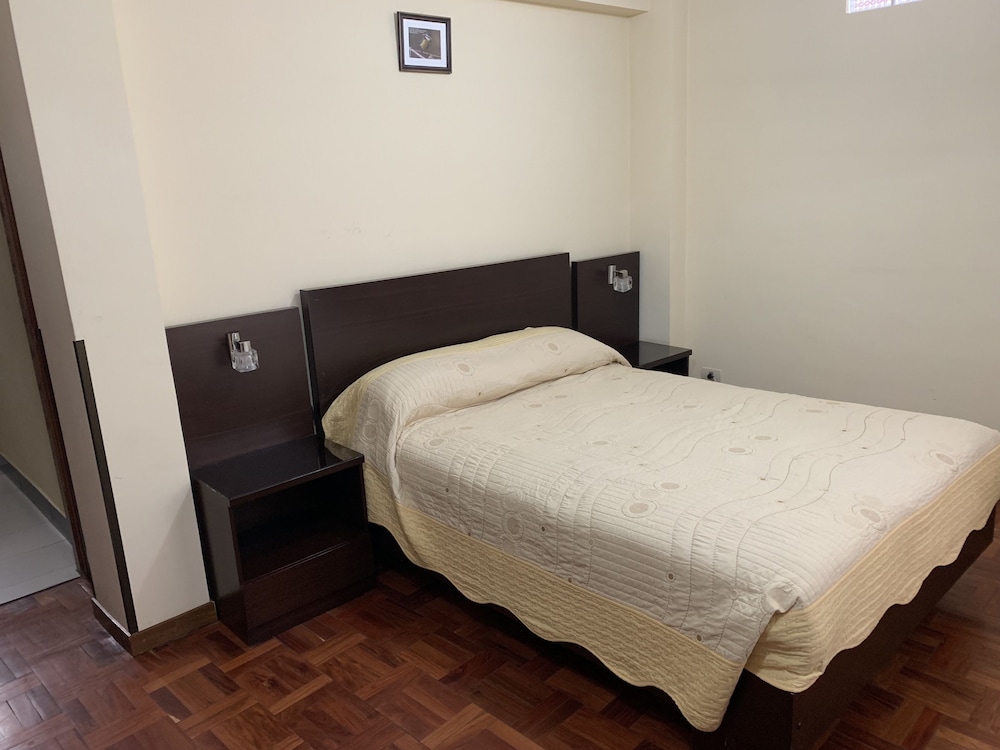
Hotels we cover across La Paz
- Lobo Hostel La Paz 1★
- Diesbu Hotel
- Met Hotel 5★ · 4.7/5
- Hotel Montecillos 3★ · 4.7/5
- Casa Grande Hotel 5★ · 4.6/5
- Hotel Mitru Sur 4★ · 4.6/5
- Suites Camino Real 4★ · 4.6/5
- Stannum Boutique Hotel & Spa 4★ · 4.5/5
- Hotel Rennova 3★ · 4.5/5
- Atix Hotel a Member of Design Hotels 5★ · 4.4/5
- Ritz Apart Hotel 4★ · 4.4/5
- Hotel Presidente 5★ · 4.3/5
- Casa Fusion Hotel Boutique 4★ · 4.3/5
- Hualimei Hotel 4★ · 4.3/5
- La Casona Hotel Boutique 3★ · 4.3/5
- Madero Hotel & Suites 4★ · 4.2/5
- Las Brisas 3★ · 4.2/5
- Residencial Alta Vista 3★ · 4.1/5
- Hotel Gran Aurum 2★ · 4.1/5
- Hotel Sagarnaga 3★ · 4/5
- Hotel Rey Palace 4★ · 3.9/5
- Panamerican Hotel 3★ · 3.8/5
- Casa Grande Suites 5★
- Casa Grande Express 3★
More guides to La Paz
All guides Itineraries · 8 min read
48 hours in La Paz
Itineraries · 8 min read
48 hours in La Paz
Two days is enough to see the departmental capital properly and still get one full day in the coffee mountains. Here is the hour-by-hour version, with rooms from about $22 a night.
 Itineraries · 10 min read
One week in La Paz
Itineraries · 10 min read
One week in La Paz
Seven days is the right length for this department: three bases, four day trips, and two full days that need no plan at all. Expect to spend $45 to $70 a day for two people, rooms included.
 Itineraries · 9 min read
La Paz in 3 days on a budget
Itineraries · 9 min read
La Paz in 3 days on a budget
Three days in La Paz department on $30 to $40 a day per person, rooms included. It is not deprivation travel here; it is simply what things cost.
Compare real prices across La Paz city, Marcala and the towns between them, and remove a verified tonne of CO2 with every booking.