COMSA — Café Orgánico Marcala
The organic cooperative that made Marcala coffee famous, where you can taste it at the source and see the mill, the compost and the school behind the beans.
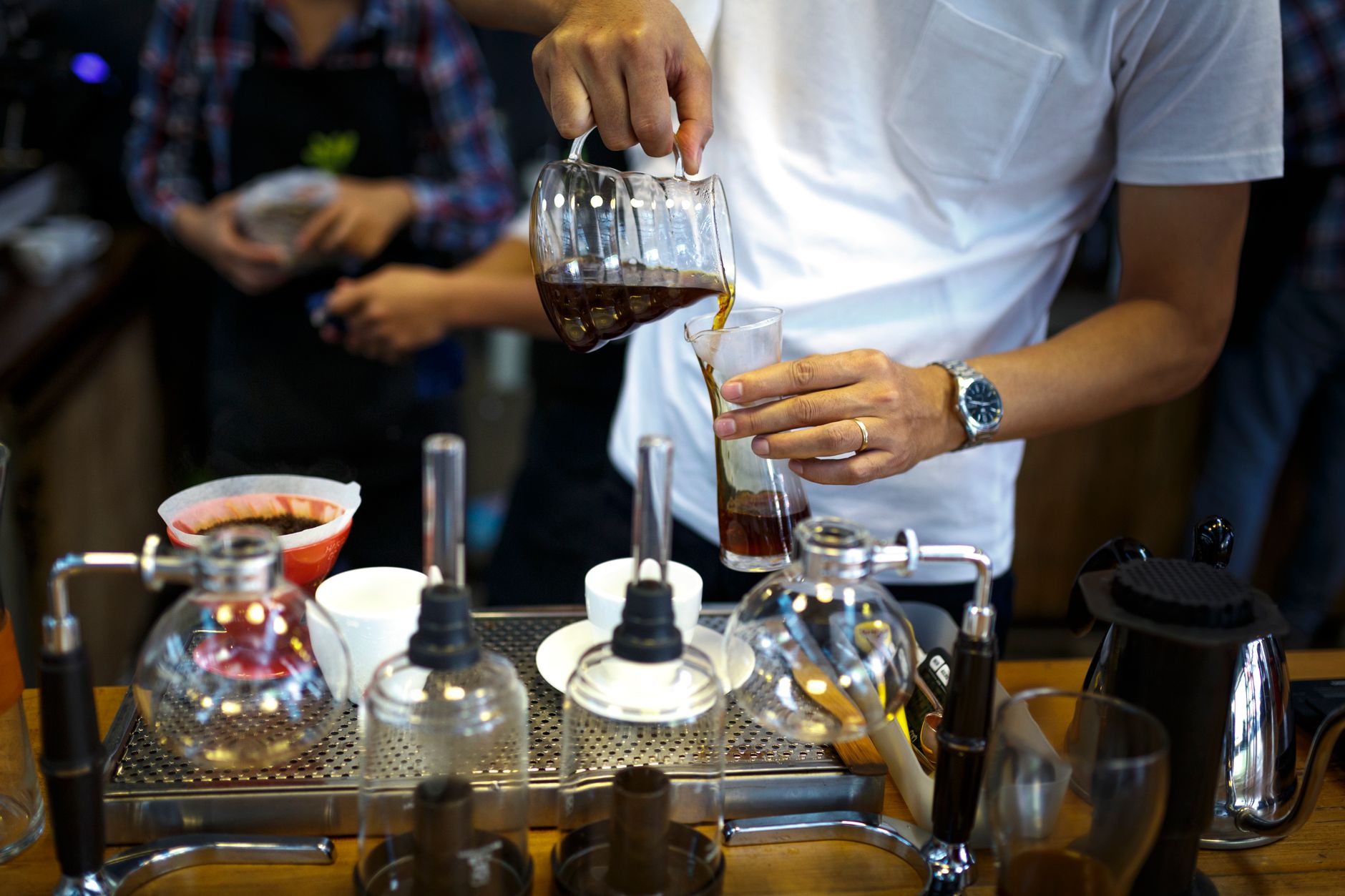 Coffee cupping table and cooperative shop at COMSA in Marcala, La Paz
What to expect at COMSA — Café Orgánico Marcala
COMSA — Café Orgánico Marcala — is the cooperative that did more than anything else to put La Paz department on the world coffee map. Founded at the start of the 2000s by a group of smallholders around Marcala, it grew into an organisation of well over a thousand member families farming certified organic coffee on the slopes between roughly 1,200 and 1,600 metres, exporting to buyers in North America, Europe and Asia. Its agroecology work — composting, mineral inputs, living soil, seed nurseries — is studied by farmers from across Central America, and the cooperative also runs an internationally known school for members' children. For a visitor, it is the single best place in the department to understand why the Café Marcala denomination of origin exists and what work sits behind a cup.
A visit typically covers three things. First, the cooperative's own shop and coffee counter, where you can buy roasted beans, drink an espresso or a filter of what the members grew, and talk to staff who know exactly which slopes the lot came from. Second, the processing side: wet and dry mill areas, drying beds and patios, and the warehouse where parchment coffee is stored and graded — most vivid between November and February, when the harvest is in full flow and the whole site smells of fermenting mucilage and drying beans. Third, and best of all if it can be arranged, the agroecology farm with its compost windrows, biofertiliser tanks, worm beds and nursery — the part that surprises visitors most, because it looks more like a laboratory garden than a plantation.
Plan ahead. This is a working cooperative rather than a visitor centre, and the useful visits are the arranged ones: contact them in advance, ideally several days out, and ask what is possible on your dates. During harvest they are busy but the site is at its most interesting; out of season the mill is quiet and the emphasis shifts to the farm, the nursery and cupping. Wear closed shoes and clothes you do not mind getting dusty, and bring cash for coffee to take home. Do not expect a slick guided experience with headsets and a gift shop café menu; expect a member or staff member walking you round and answering questions properly, which is far better.
Getting there is easy once you are in Marcala. The site lies a couple of kilometres out of the town centre on the road towards the coffee aldeas — a mototaxi from the central park costs about $1-$2 and takes five to ten minutes, and drivers all know COMSA by name. Walking takes around 25-30 minutes, uphill in places and dusty in the dry season. Reaching Marcala itself is the longer haul: buses from La Paz Centro take about 2-2.5 hours for roughly $3 via San Pedro de Tutule and Santa Elena, and from Tegucigalpa direct services run 4-5 hours for $6-$8. Drivers have no trouble with the access road in a normal car in dry weather; in heavy rain, take the mototaxi.
Costs are modest and clearly split. Walking into the shop and buying a coffee costs nothing at the door — a cup at the counter is around $1.50-$3 depending on preparation. Arranged visits that include the mill, drying areas and the agroecology farm typically run around $15 per person, with cupping sessions and longer half-day programmes higher, in the $20-$30 range, and group rates negotiated directly. Roasted coffee to take home is roughly $6-$10 a pound depending on the lot and packaging, which is the single best souvenir in the department. Transport adds $1-$2 each way by mototaxi. Nothing here requires a big budget, and for travellers based in Marcala's guesthouses under $50 a night it is an easy add-on to a market morning.
Season decides the experience. November to February is harvest and processing: pickers on the slopes, full drying patios, the mill running, and the town at its busiest — the most rewarding window by a distance, though also the one when staff have least time. March to May is dry, quiet and good for farm and soil-focused visits with unhurried cupping. June to October brings the rains, green slopes, flowering earlier in the season, and muddier ground underfoot; afternoons often close in with cloud, so morning visits are better all year. Within the day, aim for 8:00-11:00, when the mill is active and the light on the drying beds is worth the camera. Saturdays run short and Sundays are closed.
This suits coffee travellers seriously, and it also suits anyone interested in agriculture, soil science, cooperatives or rural development — it is one of the few places in Honduras where all four converge on one site. It works for teenagers who ask questions and for adults on a rainy afternoon, since the mill and warehouse are covered. It is less good for small children, who will find compost windrows and grading tables dull, and it is not a scenic day out — the views are on the farms above town, not on the cooperative floor. Mobility is mixed: the shop and offices are level, but drying patios, farm paths and mill areas involve uneven ground, steps and slopes.
Combine it with the rest of Marcala rather than treating it as a standalone trip. The municipal market in the centre is fifteen minutes away by mototaxi and is the natural start to the morning; the other cooperative coffee outlets around town let you compare roasts within a short walk of the central park; and the coffee-trail walks and the Marcala hot springs outside town make the obvious afternoon. A strong Marcala day runs market at 7:00, COMSA at 9:00, lunch on the plaza at 12:30 and hot springs or a slope walk after 14:00, which fills the time until the light goes without a single wasted hour.
Be realistic about the caveats. COMSA is an export business first and a visitor attraction a distant second, so access depends on the day, the season and who is free — turning up unannounced may get you no further than the shop counter, which is pleasant but not the visit you came for. English is limited; Spanish, or a guide, makes an enormous difference. The famous agroecology farm is not always open to casual visitors. And the widespread traveller assumption that Marcala is full of polished coffee-tourism operations with tasting rooms is wrong: this is a working cooperative in a working town, the tour is dusty and technical, and that is exactly what makes it worth doing.
Questions about COMSA — Café Orgánico Marcala
Entering the shop and coffee counter is free; a cup runs about $1.50-$3. Arranged visits covering the mill, drying areas and agroecology farm are typically around $15 per person, with cupping sessions and longer half-day programmes in the $20-$30 range and group prices agreed directly with the cooperative. Roasted coffee to take home costs roughly $6-$10 a pound. Bring cash — card facilities are unreliable in Marcala and the nearest ATMs are around the central park, 2 km away.
Yes, partly. The cooperative shop and coffee counter can be entered without paying anything, so you can taste and buy Marcala coffee at source for the price of a cup. What is not free is the guided element — the mill, drying patios and agroecology farm are part of paid, pre-arranged visits from about $15. During the November to February harvest you can also see a great deal of activity from the yard while buying coffee, which costs nothing beyond your drink.
Two to three hours for a full arranged visit covering the mill, drying areas, farm and a tasting. A shop-and-coffee stop takes 30-45 minutes. Add 10-20 minutes each way from Marcala's central park by mototaxi or 25-30 minutes on foot. Most visitors fold it into a Marcala morning that starts at the municipal market around 7:00 and finishes back in town for lunch, which is comfortably done inside half a day.
Sunday, and afternoons are unreliable. Office and shop hours run roughly Monday to Friday 8:00-16:00 and Saturday mornings until about 12:00. Arranged visits are scheduled within those windows and are hardest to secure at the peak of harvest, when staff are stretched. National holidays, Semana Santa and the Christmas and New Year period close the site. Always confirm your date rather than assuming, because a working cooperative's calendar bends around the coffee, not around visitors.
Yes, for anything beyond the shop. Contact the cooperative several days in advance with your dates and group size and ask what is running — mill activity, cupping and farm access all depend on the season and available staff. Walk-in visitors are usually welcomed at the counter but rarely taken round. During November to February book earlier still, and consider arranging through your Marcala guesthouse, which often has a direct line to someone at the cooperative.
Take a mototaxi from the central park — about $1-$2, five to ten minutes, and every driver knows COMSA. Walking takes 25-30 minutes on a partly unpaved road, fine in dry weather. To reach Marcala in the first place, buses from La Paz Centro take 2-2.5 hours for roughly $3 via San Pedro de Tutule, and direct services from Tegucigalpa run 4-5 hours for $6-$8. Marcala's bus terminal is 300 metres from the central park.
Hotels near COMSA — Café Orgánico Marcala
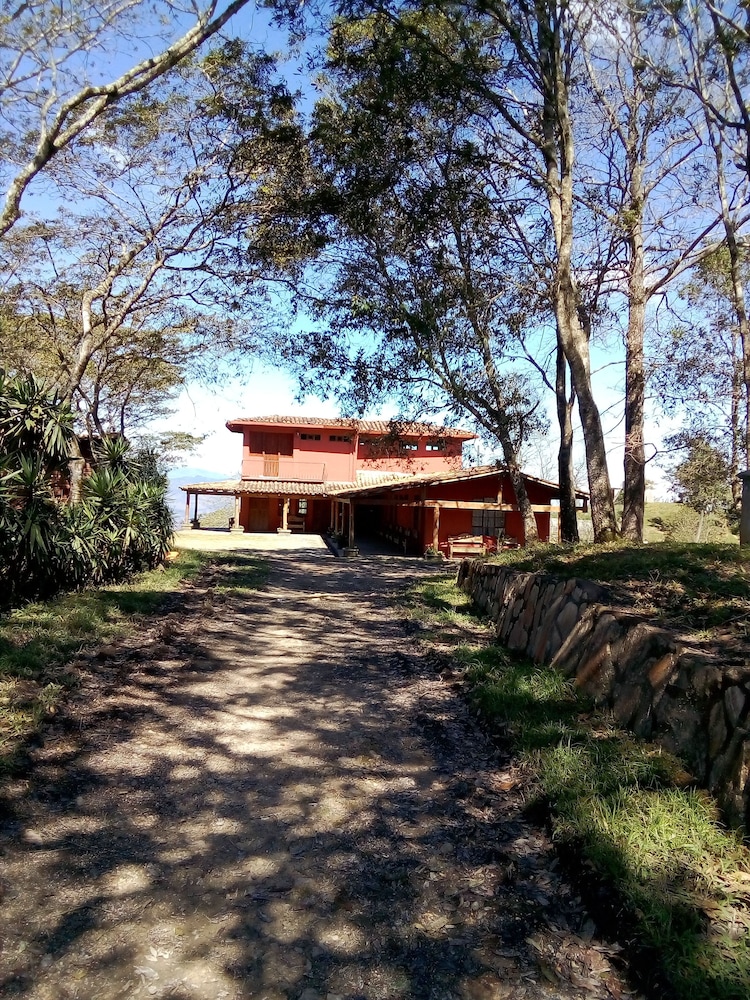
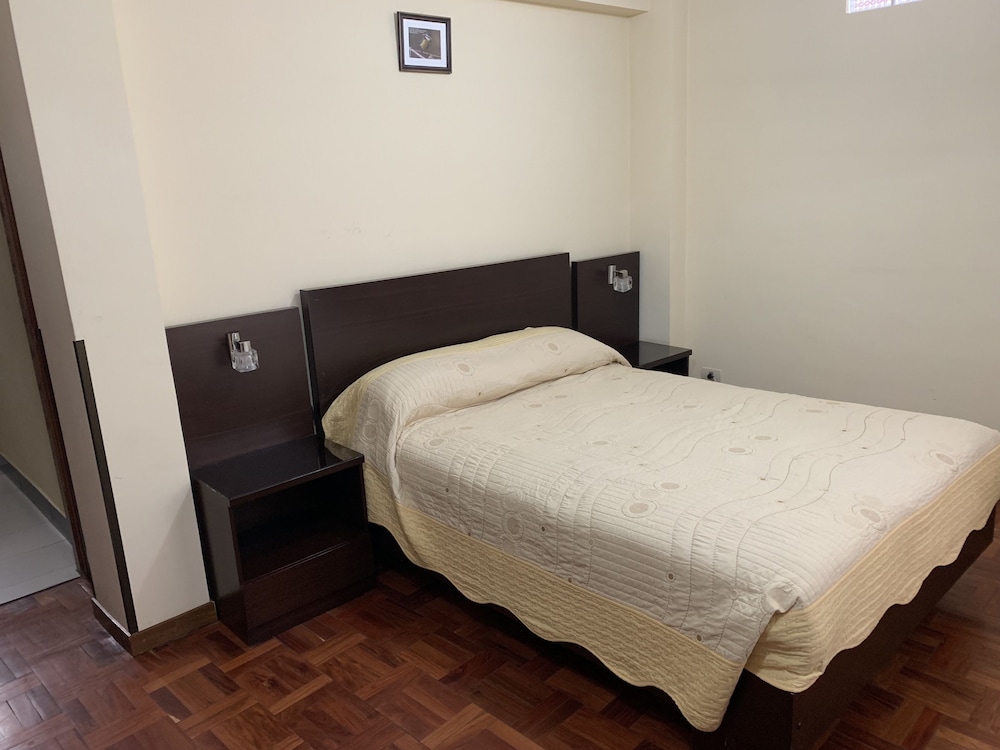
Every hotel we cover in Marcala
- Hotel Soliman 2★ · 0.2 km away
- Diesbu Hotel 2 km away
More things to do
All things to do


From the journal
All posts Comparisons & rankings
Best budget hotels in La Paz, Honduras under $50 a night
Comparisons & rankings
Best budget hotels in La Paz, Honduras under $50 a night
Almost every bed in La Paz department sits under $50, so the real question is what separates a $18 room off the parque central from a $42 one with hot water, parking and a door that locks properly.
 Comparisons & rankings
Hotels with free parking in La Paz, Honduras, ranked
Comparisons & rankings
Hotels with free parking in La Paz, Honduras, ranked
Nine kinds of stay across the department scored on secure overnight parking, from gated courtyards in the centre at $28 to highway forecourts at $45 with a night watchman.
 Comparisons & rankings
Family-friendly hotels in La Paz, Honduras, ranked
Comparisons & rankings
Family-friendly hotels in La Paz, Honduras, ranked
Eight stay types across the department judged on triple rooms, cooling, food within walking distance and whether the kids will last the two-hour drive to Marcala, with rates from $22 to $48.