Reserva Biologica Montecillos
The cloud forest wall between La Paz, Comayagua and Intibuca, source of the rivers half the valley drinks and the region's most rewarding forest walk.
 Dense cloud forest and pine ridges in the Montecillos biological reserve
What to expect at Reserva Biologica Montecillos
Montecillos is a long, high range that separates the La Paz highlands from the Comayagua valley and reaches beyond 2,300 metres at its crest. It was declared a biological reserve during the late-1980s programme that protected Honduras cloud forests above a set contour line, and its core is genuine primary forest: oak and liquidambar giving way to a dwarfed, moss-heavy canopy near the top. The reserve matters hydrologically more than almost anything else in the department. Streams rising here supply Santiago de Puringla, Chinacla and communities well down into the Comayagua valley, and much of the coffee that made this region famous is grown in its buffer zone. Wildlife includes quetzals, toucanets, trogons, an abundance of hummingbirds, and mammals rarely seen but often tracked, from agoutis to the occasional report of a cat.
A walk in Montecillos starts among coffee. From villages on the Santiago de Puringla side, tracks climb through shaded plots where pickers work between November and February, then into pine and oak with clear ground and long views back across the valley. Higher, the change is sudden: the trail narrows, the light dims, the temperature drops, and the trees are hung with bromeliads, orchids and beards of moss. Water is everywhere, running across the path and dripping from the canopy even when it is not raining. There are informal miradors at breaks in the trees where the whole Comayagua valley opens out to the north east. There is no circuit and no signage, so the route is whatever your guide knows, typically three to five hours of walking with a steady climb.
Plan it as a guided day. Base yourself in La Paz Centro, where basic rooms sit under $50, or in Santiago de Puringla if you want to be at the trailhead early. Arrange a guide through your hotel or the municipal office the day before, since the tracks braid through private coffee farms and permission matters. The dry months make the climb far easier; in the wet the clay turns to grease and the descent becomes the hard part. Take boots, waterproofs, water, food and insect repellent, and carry everything out again. Do not attempt to drive the upper tracks in a saloon car after rain. If you want the reserve without a hard climb, ask instead for a walk in the buffer zone coffee farms, which is gentler and still beautiful.
Getting there from La Paz Centro is straightforward as far as the villages. Buses towards Santiago de Puringla and Chinacla leave the terminal beside the market through the morning and take around one to one and a half hours for roughly $2 to $3, on a road that is paved in parts and rough in others. From the village, the reserve tracks climb for another forty minutes to an hour and need a pickup or a 4x4; hired trucks wait near the plaza. In your own vehicle allow ninety minutes from La Paz Centro to the village and take high clearance. Coming from Tegucigalpa, drive CA-5 towards Comayagua, turn off for La Paz, and add roughly two hours before you even start on the mountain roads.
Nothing is charged to enter. There is no gate, no permit desk and no parking fee. Budget instead for a guide at roughly $20 to $30 for a group for the day, a pickup from the village to the upper track and back at about $30 to $50, and bus fares of $2 to $3 each way from La Paz Centro. Meals in the village comedores run $3 to $5. If you stay overnight in Santiago de Puringla, expect simple rooms from around $15 to $30, and in La Paz Centro a comfortable budget hotel well under $50. A pound of coffee from one of the buffer-zone farms costs about $6 to $9 and is the most honest souvenir the region sells.
The clear season runs from January to April, when the crest is visible from the valley on most mornings and the tracks are firm. November to January adds cold, crisp air and the coffee harvest, which makes the lower slopes lively with pickers and worth seeing in itself. From June to October the range lives up to its reputation as a rain machine: dense, dripping, atmospheric and slow to walk. Hour by hour, be on the trail by seven or eight to get the ridge before cloud builds around ten or eleven, and start down by two. Avoid the day after a storm, when the descent through clay is the least enjoyable part of any Montecillos trip.
This suits walkers with a reasonable level of fitness, birders, and anyone who wants to understand where the region's coffee and water come from. It works for teenagers and for children over about ten on the lower coffee-farm routes. It does not suit wheelchair users, and it is not a good rainy-afternoon plan. Anyone with only a couple of hours should stay in the buffer zone rather than attempting the crest. Photographers should note that the best light is the first hour, before mist rises off the warming slopes; by midday the forest is uniformly grey and the valley view is usually gone.
Fold the day in with Santiago de Puringla village itself, five minutes from the bus stop, and with the coffee farms in its buffer zone, several of which will show visitors around a wet mill in season. Marcala and its cooperatives are a further hour and a half west if you are chaining days together. The honest caveats: Montecillos is a name applied loosely, and much of what visitors are shown is buffer zone rather than core forest, which is fine but should be understood. There are no facilities of any kind, no marked trails and no rescue service. Quetzal sightings are seasonal and unreliable, best in the spring nesting months and rare on a single casual visit.
Questions about Reserva Biologica Montecillos
Entry is free; the reserve has no gate or ticket desk. Real costs are a guide at around $20 to $30 per group per day, a village pickup to the upper tracks and back at $30 to $50, and buses from La Paz Centro at $2 to $3 each way. Add $3 to $5 for a meal in the village. Two travellers sharing a guide and truck should budget roughly $40 to $55 each for the whole day.
No hours apply, because there is nothing to pay at any time of day. The forest is open access in daylight and unstaffed. If cost is the concern, the cheapest version of the trip is a public bus from La Paz Centro to Santiago de Puringla, then a walk up through the buffer zone coffee farms with a guide shared between four people, which brings the per-person cost down to around $15 to $20 including food.
A full day. Buses from La Paz Centro take one to one and a half hours to the villages, the vehicle track adds another forty minutes to an hour, and the walk itself is three to five hours depending on how high you go. If you only have half a day, stay in the buffer zone: two hours of coffee-farm walking gives shade forest, birds and valley views without the climb to the crest.
It has no closing days and no season when access is forbidden. Weather is the limit. Between June and October the upper tracks become slick clay and local drivers will often decline the climb after heavy rain, and a wet descent on foot is slow and awkward. Access also runs through private coffee farms, so a route can be off-limits during harvest work; your guide will know which valley is open on the day.
There is no formal booking, but arrange the guide and the pickup a day ahead through your hotel in La Paz Centro or Santiago de Puringla. That secures an early start, which matters more here than anywhere else in the department because the view closes with the mid-morning cloud. Payment is cash only. In harvest season, November to February, ask early, since the same people who guide are also picking coffee.
Santiago de Puringla plaza is the practical drop-off, served by buses from the terminal beside the market in La Paz Centro through the morning for about $2 to $3, taking one to one and a half hours. From the plaza, hired pickups climb the remaining forest tracks in forty minutes to an hour. There is no bus that reaches the reserve boundary itself, and the last service back down to La Paz usually leaves in mid-afternoon.
Hotels near Reserva Biologica Montecillos
Every hotel we cover in Santiago de Puringla
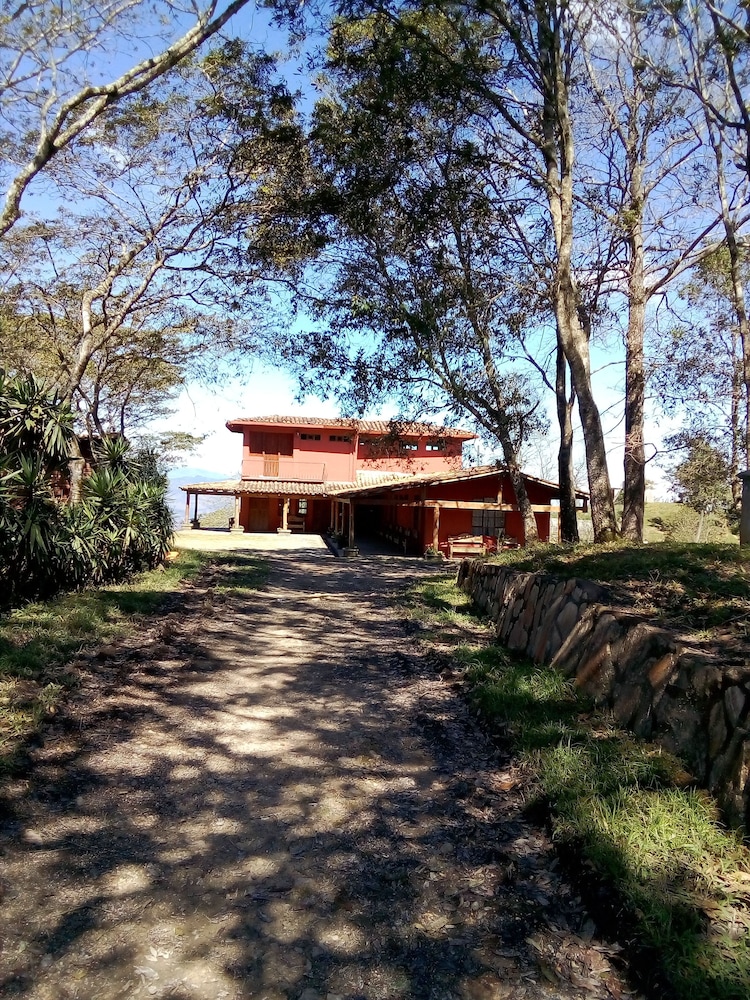
- Hotel Montecillos 3★ · 4.7/5 · 8.6 km away
- Diesbu Hotel 20 km away
- Hotel Soliman 2★ · 20 km away
- Met Hotel 5★ · 4.7/5 · 9781 km away
- Casa Grande Hotel 5★ · 4.6/5 · 9781 km away
- Hotel Mitru Sur 4★ · 4.6/5 · 9781 km away
- Suites Camino Real 4★ · 4.6/5 · 9781 km away
- Stannum Boutique Hotel & Spa 4★ · 4.5/5 · 9781 km away
- Hotel Rennova 3★ · 4.5/5 · 9781 km away
- Atix Hotel a Member of Design Hotels 5★ · 4.4/5 · 9781 km away
- Ritz Apart Hotel 4★ · 4.4/5 · 9781 km away
- Hotel Presidente 5★ · 4.3/5 · 9781 km away
- Casa Fusion Hotel Boutique 4★ · 4.3/5 · 9781 km away
- Hualimei Hotel 4★ · 4.3/5 · 9781 km away
- La Casona Hotel Boutique 3★ · 4.3/5 · 9781 km away
- Madero Hotel & Suites 4★ · 4.2/5 · 9781 km away
- Las Brisas 3★ · 4.2/5 · 9781 km away
- Residencial Alta Vista 3★ · 4.1/5 · 9781 km away
- Hotel Gran Aurum 2★ · 4.1/5 · 9781 km away
- Hotel Sagarnaga 3★ · 4/5 · 9781 km away
- Hotel Rey Palace 4★ · 3.9/5 · 9781 km away
- Panamerican Hotel 3★ · 3.8/5 · 9781 km away
- Casa Grande Suites 5★ · 9781 km away
- Casa Grande Express 3★ · 9781 km away
More things to do
All things to do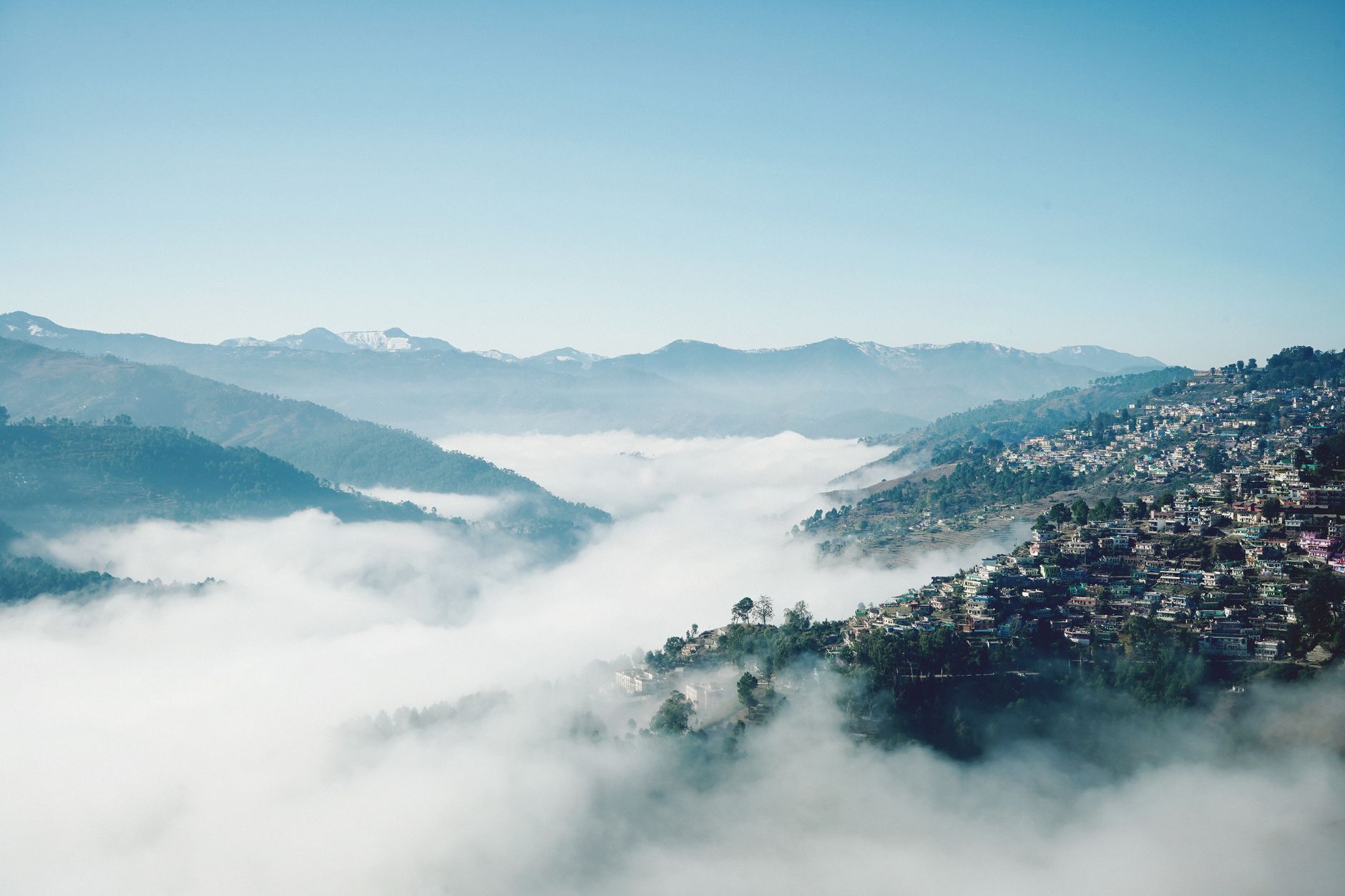


From the journal
All posts Comparisons & rankings
Best budget hotels in La Paz, Honduras under $50 a night
Comparisons & rankings
Best budget hotels in La Paz, Honduras under $50 a night
Almost every bed in La Paz department sits under $50, so the real question is what separates a $18 room off the parque central from a $42 one with hot water, parking and a door that locks properly.
 Comparisons & rankings
Hotels with free parking in La Paz, Honduras, ranked
Comparisons & rankings
Hotels with free parking in La Paz, Honduras, ranked
Nine kinds of stay across the department scored on secure overnight parking, from gated courtyards in the centre at $28 to highway forecourts at $45 with a night watchman.
 Comparisons & rankings
Family-friendly hotels in La Paz, Honduras, ranked
Comparisons & rankings
Family-friendly hotels in La Paz, Honduras, ranked
Eight stay types across the department judged on triple rooms, cooling, food within walking distance and whether the kids will last the two-hour drive to Marcala, with rates from $22 to $48.