Cueva del Gigante
One of the most important archaeological rock shelters in Central America, where excavated layers pushed the story of maize and early farming in Honduras back thousands of years.
 Rock shelter mouth in a canyon wall near Marcala, site of the Cueva del Gigante excavations
What to expect at Cueva del Gigante
Cueva del Gigante is a large rock shelter in a canyon in the highlands near Marcala, and it is the single most significant archaeological site in the department. Excavations here recovered deep, remarkably well preserved deposits containing plant remains, including early maize cobs, alongside stone tools, textiles fragments and other perishable material that almost never survives in the humid tropics. The dry, sheltered conditions under the overhang preserved layers spanning thousands of years of human use, and the results have fed directly into the international debate about when and how maize was domesticated and spread through Mesoamerica. For Honduras it is a point of real scientific pride. For a visitor it is an austere, atmospheric place, a huge overhang high above a river, with no museum, no case of finds and no explanatory panels.
Visiting means walking into the canyon with someone from the nearest community who has permission and knows the route. The approach descends from farmland into cooler, steeper ground, with the river below and the rock walls closing in, then climbs to the shelter mouth. The overhang itself is vast, dry underfoot, and shaded even in the middle of the day. Excavation areas are visible as cut sections and backfilled trenches rather than as anything reconstructed. Your guide will point out where the deep sequences came from and what the site has yielded, and the rest is imagination plus the sheer physical fact of a place people used for millennia. It is a quiet, slightly solemn hour rather than a spectacle, and it works best if you read about the excavations before you go.
Plan it as a half day from Marcala, arranged in advance. Access is not open: the site is archaeologically sensitive, and turning up alone is neither possible nor welcome. Ask at your hotel in Marcala or through a local guide association to fix a day, a driver and a community escort. Wear boots, take water and a hat, and expect a genuine walk rather than a stroll. Nothing may be picked up, moved or dug at, and taking anything from the ground is theft of national heritage. Bring a torch for the shaded recesses if your guide agrees, and treat photography as something to ask about rather than assume.
Getting there starts in Marcala. From La Paz Centro, buses to Marcala leave the terminal beside the market through the morning, take two and a half to three hours and cost roughly $5. From Marcala, the site is reached by a rough road towards the canyon country, thirty to sixty minutes in a pickup or 4x4 depending on the route your guide uses, followed by a walk of forty minutes to over an hour on rough ground with a descent and a climb. There is no scheduled transport to the trailhead and no signposted turn. Chartering a vehicle with a driver who has been before is the only practical way in, and in the wet season the road decides whether the trip happens at all.
Expect to pay a community guide fee of around $5 per person, or roughly $20 to $30 for a small group where the arrangement is per party rather than per head; practices vary and are agreed in advance. Vehicle charter from Marcala with waiting time runs $40 to $70 for the day. Buses from La Paz Centro to Marcala cost about $5 each way. A night in Marcala before an early start is easy to find under $50 and often around $25. There is nothing to buy at the site: no kiosk, no tickets, no souvenirs. Carry all cash in small notes and settle the guide fee before you set off, not at the shelter.
January to April is the season to go, when the approach is dry, the river is low and the walk is straightforward. Between June and October the canyon route can be slippery, the river higher and the road in poor condition, and guides sometimes decline. Start early: leave Marcala by seven, be walking by eight or nine, and be back at the vehicle before the afternoon heat and any build-up of rain. The site has no crowds at any time of year, which is part of its character. Around Semana Santa there is more local movement in the countryside, which makes finding a driver easier but the road busier.
This suits travellers with a real interest in archaeology and prehistory, walkers who do not mind a rough approach, and anyone who prefers substance to spectacle. It is not for small children, for wheelchair users, or for anyone expecting a visitor centre, a lit walkway and a gift shop, none of which exist. Teenagers with an interest in history get a lot out of it if they know what they are looking at beforehand. Anyone with an hour to spare should not attempt it. In heavy rain the trip is off, and the sensible substitute is Marcala town and its coffee cooperatives.
Combine it with Marcala, thirty to sixty minutes away, where the coffee culture that defines this region is on show in the cooperatives and the morning market, and with the hot springs outside town for a warm end to a hard walk. The waterfalls south of Marcala fit the following morning. The honest caveats matter here. There is nothing on display: the finds are in institutional collections, not at the site, and visitors expecting to see maize cobs or tools in a case will be disappointed. Access depends entirely on community and academic goodwill, arrangements change, and a trip can fall through. Come for the setting and the story, and come informed.
Questions about Cueva del Gigante
Expect around $5 per person as a community guide fee, or roughly $20 to $30 for a small group where the charge is per party. Vehicle charter from Marcala with waiting time is $40 to $70 for the day, and buses from La Paz Centro to Marcala are about $5 each way. There is no ticket office and nothing sold on site, so carry cash in small notes and settle the fee before setting off.
No. Access is not open to the public in the usual sense, so there are no free windows and no unaccompanied entry. The fee you pay is for the community escort and the permission that comes with it, and it applies whenever a visit is arranged. Anyone told they can simply walk in has been misinformed; the site is archaeologically sensitive and visits happen by agreement, in daylight, with a local guide.
Half a day. From Marcala, allow thirty to sixty minutes on rough road each way, then forty minutes to over an hour of walking in and the same back, plus about an hour at the shelter itself. Realistically you leave Marcala at seven and return early afternoon. From La Paz Centro this becomes a full two-day trip, since Marcala alone is two and a half to three hours away.
There are no published opening days because there is no ticket office. Visits run in daylight, roughly 8:00 to 16:00, and only when a guide is available, which means weekends and harvest season can be harder to arrange. The site is effectively closed through the worst of the wet season, June to October, when the canyon approach is slippery and the access road poor. Research work can also close it temporarily.
Yes, and several days ahead. Arrange through a hotel in Marcala or a recognised local guide who can contact the community that controls access. Agree the fee, the meeting point and the vehicle in advance and confirm on the morning. Unannounced arrivals are turned away. Nothing is bookable online, no agency in Tegucigalpa sells a ticket for it, and any operator claiming otherwise should be treated with caution.
Marcala is the base and the nearest place with scheduled transport; buses from the terminal by the market in La Paz Centro reach it in two and a half to three hours for about $5. From Marcala there is no bus, no shuttle and no signposted turn to the site. A chartered pickup or 4x4 covers the thirty to sixty minutes of rough road, and the last stretch into the canyon is on foot.
Hotels near Cueva del Gigante
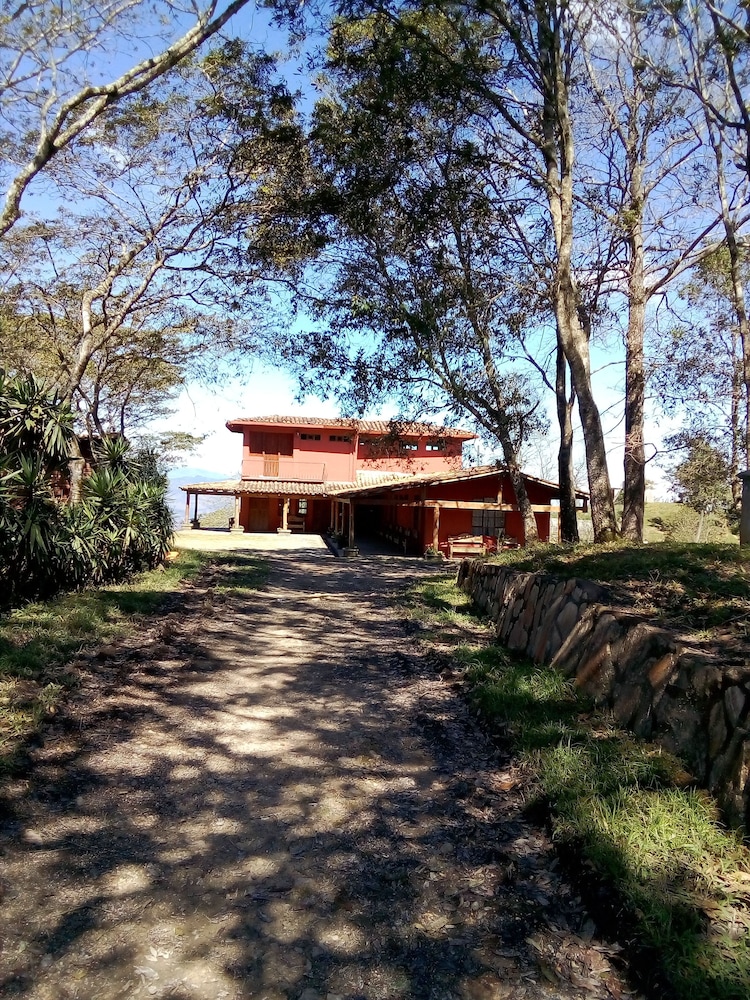
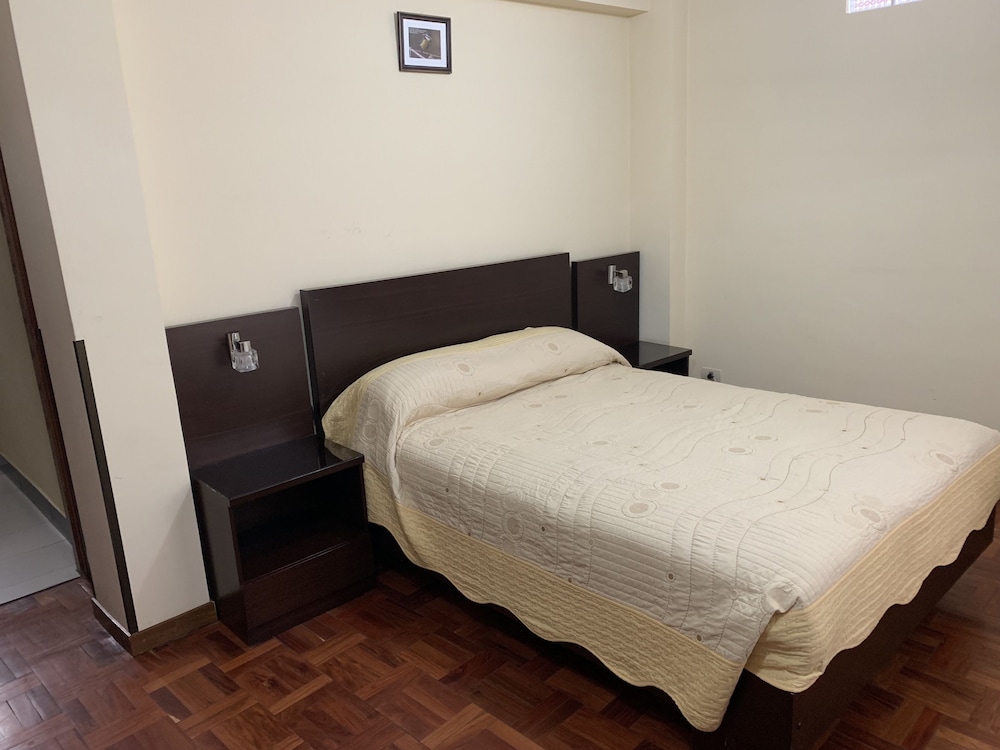
Every hotel we cover in Marcala
- Diesbu Hotel 3.5 km away
- Hotel Soliman 2★ · 5.5 km away
More things to do
All things to do


From the journal
All posts Comparisons & rankings
Best budget hotels in La Paz, Honduras under $50 a night
Comparisons & rankings
Best budget hotels in La Paz, Honduras under $50 a night
Almost every bed in La Paz department sits under $50, so the real question is what separates a $18 room off the parque central from a $42 one with hot water, parking and a door that locks properly.
 Comparisons & rankings
Hotels with free parking in La Paz, Honduras, ranked
Comparisons & rankings
Hotels with free parking in La Paz, Honduras, ranked
Nine kinds of stay across the department scored on secure overnight parking, from gated courtyards in the centre at $28 to highway forecourts at $45 with a night watchman.
 Comparisons & rankings
Family-friendly hotels in La Paz, Honduras, ranked
Comparisons & rankings
Family-friendly hotels in La Paz, Honduras, ranked
Eight stay types across the department judged on triple rooms, cooling, food within walking distance and whether the kids will last the two-hour drive to Marcala, with rates from $22 to $48.