Mercado Municipal de Marcala
The trading floor of Honduras's most famous coffee town, where the beans that carry the country's first denomination of origin are sold beside cabbages and cuajada.
 Coffee sacks, vegetables and cooked-food stalls at the municipal market in Marcala, La Paz
What to expect at Mercado Municipal de Marcala
Marcala sits at around 1,300 metres in the western corner of La Paz department and is the commercial capital of a coffee zone that earned Honduras its first protected denomination of origin, Café Marcala. The municipal market is where that economy meets everyday life. Around the covered hall a block from the central park, growers from the surrounding aldeas — La Florida, El Rodeo, the villages towards Chinacla and Santa Elena — sell what is not sent to the cooperatives: green and roasted coffee by the pound, root vegetables, cabbages, cuajada cheese, panela sugar loaves and bananas. During the November to February harvest the whole town smells of drying parchment coffee, and the market is the loudest, busiest, most useful place to understand why an inland Honduran town of this size has buyers arriving from Europe and Japan.
Walking it takes twenty minutes and rewards an hour. The covered core holds butchers, dairy tables and dry goods; outside, produce sellers set up on the pavement, with the highland vegetables — potatoes, carrots, cabbage, güisquil — piled by the pound. Coffee is the thing to look for: sacks of roasted beans, sometimes ground on the spot, plus small local brands packed by cooperatives. A cluster of comedores serves the standard highland breakfast of eggs, refried beans, cuajada, plátano and thick tortillas, with sopa de res and pollo con tajadas at lunchtime. Around the edges are the practical stalls that keep mountain households running: rubber boots, machetes, coffee-picking baskets, plastic ware, sewing thread. On Fridays and Saturdays the trade spreads well beyond the building into the surrounding streets.
Plan a morning and treat the market as the anchor of a Marcala day rather than the whole of it. Come between 6:30 and 10:00, when the stalls are full and the temperature is still cool — Marcala's altitude makes mornings genuinely fresh, often 15-18C, and the same street can feel hot by noon. Bring cash in small notes; no stall takes cards. If you want coffee to carry home, buy roasted whole beans rather than pre-ground, ask when it was roasted, and expect the seller to grind it for you. Do not plan a big lunch here if you are also visiting a cooperative café later in the day — the portions are generous and cheap and you will not want both.
Getting to Marcala takes commitment and the road is part of the experience. From La Paz Centro, buses climb west through San Pedro de Tutule and Santa Elena in roughly 2-2.5 hours for about $3; from Tegucigalpa, direct services run via La Paz or via the southern route in around 4-5 hours for about $6-8. From Comayagua you change in La Paz. Drivers take the paved highway from La Paz, a scenic 80-odd kilometres of switchbacks with long views over coffee slopes — allow two hours and do not attempt it after dark for the first time. The Marcala bus terminal is about 300 metres from the market, and the central park is one block away; everything in the town centre is walkable within ten minutes.
Entry is free and always has been. Spending is modest: breakfast at a comedor runs about $2-$3, a full lunch plate $3-$4, a coffee at the counter about $0.50, and a licuado around $1. Roasted Marcala coffee bought loose at the market is roughly $3-$5 a pound, and cooperative-branded packs sold in nearby shops run $5-$8 a pound — still a fraction of export prices. Cuajada cheese is about $1.50-$2.50 a piece, panela loaves under $1. There is no tourist pricing, no entry gate and no official guide. Public toilets charge a few coins. If you are staying in one of Marcala's budget guesthouses under $50 a night, a market breakfast plus a bag of coffee is the cheapest good morning in the department.
Timing matters more here than in most markets. Friday and Saturday mornings are the big trading days, when growers come down from the aldeas; Sunday finishes by early afternoon. Hour by hour, 6:00-9:00 is full and busy, 9:00-11:00 is comfortable, and after 14:00 you are looking at leftovers. Seasonally, the harvest window from November through February is the market at its most alive — coffee everywhere, pickers in town, money moving — while the rainy months of September and October are muddy, cool and quiet. March and April are dry and bright, good for walking the town, with the coffee trade slower. Holy Week and Christmas both disrupt normal trading, either closing stalls or overwhelming them.
This is a strong stop for coffee travellers, budget eaters and anyone using Marcala as a base for the surrounding highlands, waterfalls and Lenca villages. It works for families — children are welcome, and the fruit and licuado stalls are an easy win — though pushchairs struggle in the crowded aisles. Wheelchair users will find the covered hall flat but tight, with broken kerbs outside. Anyone who wants a polished coffee experience with tasting notes and a barista should go to a cooperative café instead; the market sells coffee as a commodity, in sacks, to people who drink two litres of it a day. If it is raining hard, the covered core still works, but the outer streets are unpleasant.
Fold it into the town easily. Marcala's central park is one block away and the natural place to sit afterwards; the cooperative coffee shops around the centre, including the RAOS and COMSA outlets, are within a five to fifteen-minute walk or a short ride and turn a market morning into a proper coffee day. The Marcala hot springs and the coffee trail walks in the hills outside town are the standard afternoon follow-on, and the bus terminal for onward travel to La Paz or the Salvadoran border is 300 metres away. A sensible half-day is market at 7:00, breakfast at a comedor, cooperative café at 9:30, then out into the coffee slopes before the afternoon rain.
The caveats are worth stating. Marcala's fame as a coffee capital does not mean the market is a coffee showcase — most of the good lots leave through cooperatives and exporters, never appearing on a market table, and what you buy here is honest everyday roast rather than the microlot that won a cupping prize. Quality and roast dates are inconsistent, so taste before committing to several pounds if you can. The hall is cramped and the meat section is not for delicate stomachs. And do not arrive at 15:00 expecting the market described in guidebooks: by then it is a handful of stalls and a lot of concrete, and you will wonder what the fuss was about.
Questions about Mercado Municipal de Marcala
Entry is free every day and there is no guide or camera fee. Costs are what you eat and buy: breakfast at a comedor is about $2-$3, a lunch plate $3-$4, counter coffee around $0.50 and a licuado about $1. Roasted Marcala coffee sold loose runs roughly $3-$5 a pound, with cooperative-branded packs in nearby shops at $5-$8. Everything is cash only in small notes; the nearest reliable ATMs are on the streets around the central park.
The market is free all the time it is open, so no day is cheaper than another. The best value hours are 6:30 to 10:00 on Friday and Saturday, when the full complement of growers and stallholders is trading and the cooked-food counters are running. Sunday is also free but winds down by 13:00. The only charge you may meet is a few coins for the public toilets, and informal parking of about $1 if you drive into the centre.
One to two hours covers it properly. Twenty minutes is enough for a full circuit of the covered hall, but an hour lets you eat breakfast, buy coffee and browse the outdoor produce lines without hurrying. Combine it with the central park one block away and a cooperative café and you have a comfortable half-day in Marcala. Travellers arriving on the La Paz bus with a two-hour gap before the return service can do the market and still eat.
It opens every day, but trading hours vary. Monday to Saturday it runs roughly 5:30 to 17:00, with the real activity between 6:00 and 11:00 and Friday and Saturday the busiest. Sunday starts equally early but most stalls have gone by 13:00. Expect major disruption or closure on national holidays, Good Friday and the days around Christmas and New Year, and expect the streets around the market to be at their most congested before a long weekend.
No booking is possible or necessary — this is a municipal produce market, not an attraction with tickets. If you want a guided coffee angle to go with it, arrange a cooperative visit or a farm walk a day ahead through your guesthouse, since cupping sessions and mill tours do need notice, especially during the November to February harvest. The market itself you simply walk into any morning with cash in your pocket.
Buses leave La Paz Centro's terminal for Marcala through the day, climbing via San Pedro de Tutule and Santa Elena in about 2-2.5 hours for roughly $3. From Tegucigalpa, direct services take 4-5 hours for about $6-8. Marcala's terminal is 300 metres from the market — turn towards the central park and walk one block. Drivers follow the paved highway west from La Paz, allow two hours for the switchbacks, and park on the streets around the plaza for about $1.
Hotels near Mercado Municipal de Marcala
Every hotel we cover in Marcala
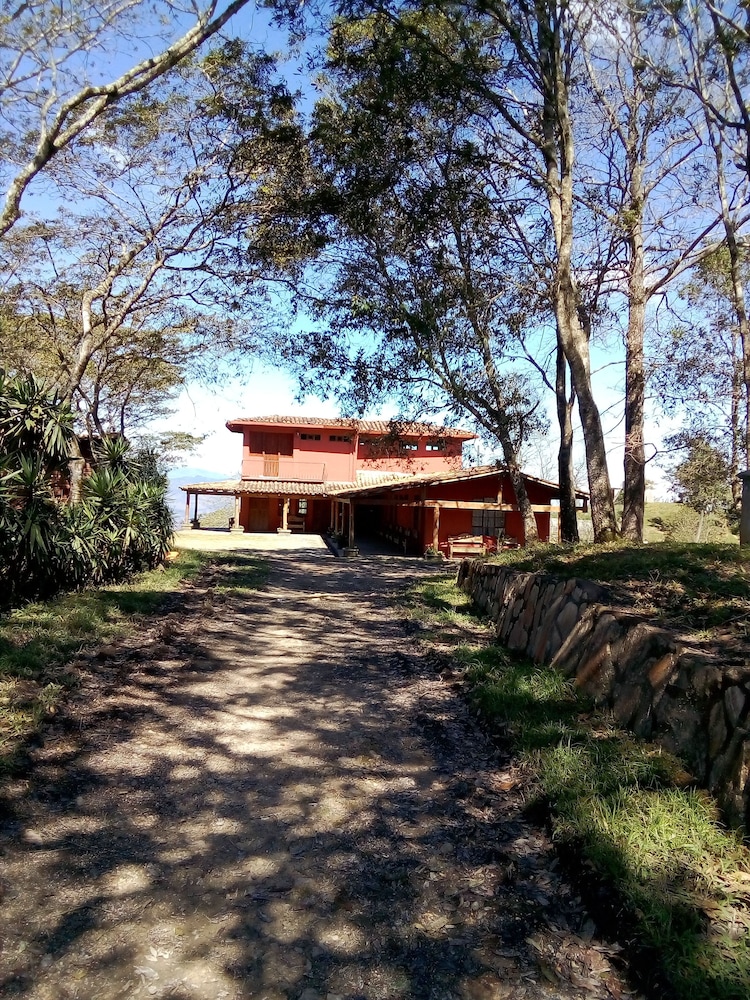
- Hotel Soliman 2★ · 1 km away
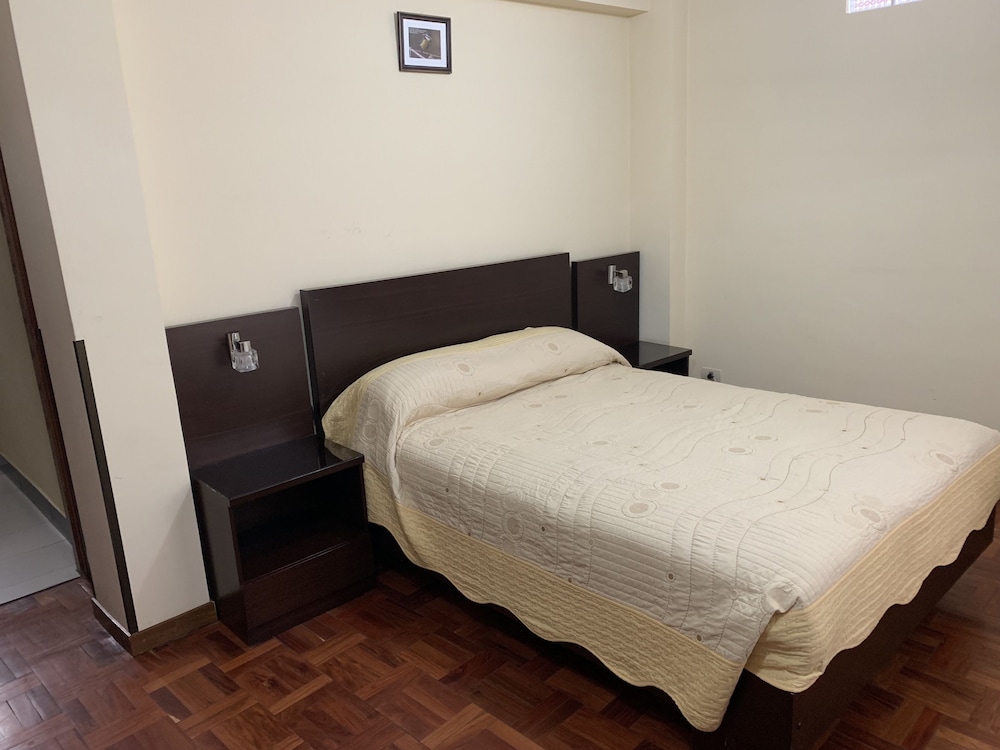
- Diesbu Hotel 2.2 km away
More things to do
All things to do


From the journal
All posts Comparisons & rankings
Best budget hotels in La Paz, Honduras under $50 a night
Comparisons & rankings
Best budget hotels in La Paz, Honduras under $50 a night
Almost every bed in La Paz department sits under $50, so the real question is what separates a $18 room off the parque central from a $42 one with hot water, parking and a door that locks properly.
 Comparisons & rankings
Hotels with free parking in La Paz, Honduras, ranked
Comparisons & rankings
Hotels with free parking in La Paz, Honduras, ranked
Nine kinds of stay across the department scored on secure overnight parking, from gated courtyards in the centre at $28 to highway forecourts at $45 with a night watchman.
 Comparisons & rankings
Family-friendly hotels in La Paz, Honduras, ranked
Comparisons & rankings
Family-friendly hotels in La Paz, Honduras, ranked
Eight stay types across the department judged on triple rooms, cooling, food within walking distance and whether the kids will last the two-hour drive to Marcala, with rates from $22 to $48.