Cerro de Ula
A bare-topped highland peak in the far south-west of La Paz, with the widest horizon in the department and hardly a visitor on it.
 Rocky summit and pine slopes of Cerro de Ula above the Santa Elena highlands
What to expect at Cerro de Ula
Cerro de Ula rises in the cold, thinly populated south-western corner of La Paz, in the belt of high country around Santa Elena and Yarula where the department pushes above 1,900 metres and pine replaces almost everything else. It is not a formally protected park with a gate and a rangers hut; it is a mountain that people farm around, cut firewood on and walk over, with a rocky, largely open summit that gives an extraordinary panorama across the Lenca highlands towards Intibuca and south towards the drier country of Aguanqueterique. Its value to visitors is exactly that openness. Where the cloud forests of Montecillos and Opalaca hide the view inside the trees, Ula puts you on bare ground with a horizon in every direction and a wind that never quite stops.
The walk starts from farm tracks above Santa Elena and climbs through pine and pasture with dry grass underfoot. There is no forest gloom here; the ground is open, the light is hard and the trees are widely spaced, which makes route-finding easier than on the cloud-forest peaks but the sun much stronger. Nearer the top the soil thins to rock and low scrub, and the last stretch is a scramble over slabs rather than a path. The summit itself is small and exposed. On a clear morning you can trace the ridges of Opalaca to the north, pick out the valleys towards Marcala, and see cloud sitting in the basins below while you stand in sun. Raptors ride the updrafts here more often than not.
Treat it as a half-day walk built onto a night in Santa Elena or Marcala. Ask on the plaza for someone to walk up with, since the tracks cross grazing land and gates matter. Start early: this is a cold place at dawn and a hot one by eleven, and the summit is fully exposed. Take a hat, sun cream, two litres of water, warm layers for the top and food, because there is nothing to buy after you leave the village. In the wet season the grass tracks are slick but the climb remains manageable; the road in is the harder problem. There is nothing to book and no permit to arrange.
Getting there means reaching Santa Elena first, which is the slow part. From Marcala, pickups and buses run south-west towards Santa Elena and Yarula through the morning, taking around one to one and a half hours on a rough road for roughly $2 to $3. From La Paz Centro you go via Marcala, which itself is two and a half to three hours and about $5, so this is realistically a trip that starts from a bed in Marcala rather than in the departmental capital. In a private vehicle take a 4x4 or a high-clearance pickup; the last stretch to the trailhead tracks is stony and steep. Park on the verge near the village and walk from there.
There is no fee to climb. Nothing is charged for parking, and no permit exists. Costs are a guide at roughly $15 to $20 for a group for the morning, transport of $2 to $3 by bus or pickup from Marcala each way, and food. If you charter a truck from Marcala for the round trip with waiting time, expect $40 to $60. A simple room in Santa Elena costs around $12 to $25 where one is available; Marcala offers more choice and still sits comfortably under $50. Meals in the village run $3 to $4, and coffee grown on these slopes sells for $6 to $9 a pound. Bring cash in small notes; there is no bank or card terminal in the villages.
The clear season, roughly December to April, is when Ula is worth the effort, because the whole point is the view. Mornings in January and February are cold and glassy, sometimes with frost in the hollows, which is unusual enough in Honduras to be a novelty. From June to October cloud sits on the peak for much of the day and the rewards drop sharply. Hour by hour, leave the village at six or seven, be on top by nine, and be down by noon before the heat and the afternoon build-up. Weekends see more traffic on the road but rarely more walkers. There is no closed day and no season when the mountain is off limits.
It suits walkers who want a view rather than a forest, photographers chasing a big horizon, and anyone acclimatised enough to enjoy thin, cold morning air. Fit children of ten and up manage it with breaks. It does not suit wheelchair users, and it is unsuitable for anyone unsteady on rock, since the final section is a scramble. On a rainy day it is pointless: the whole reward is visibility. Travellers with a single free afternoon and no vehicle should choose the waterfalls near Marcala instead, which are far easier to reach.
Combine it with the villages of Santa Elena and Yarula, where highland Lenca life carries on with very little tourism, and with the long scenic drive back towards Marcala, which is one of the best road views in the department. Marcala itself, with its coffee cooperatives and hot springs, is the obvious base an hour and a half away. The caveats are honest ones: there is no trail infrastructure, no water source you should drink from, no signage and no rescue. Phone signal is poor. And Ula is a modest-looking hill from the road, so people who arrive expecting a dramatic alpine peak will be underwhelmed until they reach the top and see how far the eye goes.
Questions about Cerro de Ula
Nothing to access. There is no gate, permit or parking fee. Costs are a local guide at roughly $15 to $20 for a group, transport from Marcala at $2 to $3 by bus or pickup each way, and food at $3 to $4 a meal in the village. Chartering a truck from Marcala for the morning with waiting time runs $40 to $60. Most walkers spend $15 to $25 a head for the whole outing.
There is no ticket at any hour, so the question does not apply; the mountain is open access from first light to dusk. If you are keeping costs down, use the public pickups from Marcala rather than chartering, share a guide across a group, and buy your food in Marcala market where a day of tortillas, cheese and fruit costs under $3. There is nothing sold on the mountain at any time.
Half a day of walking, plus travel. From the village tracks above Santa Elena, allow two to three hours up and one and a half to two down, with a scramble on the final section. Add one to one and a half hours of rough road each way from Marcala. Starting from La Paz Centro makes it a two-day trip, since Marcala alone is two and a half to three hours from the departmental capital.
No. There are no opening hours, no ticket office and no seasonal closure. What stops people is weather: from June to October the summit is often in cloud all day and the access road can be badly rutted after heavy rain, which is when pickup drivers become reluctant. In the dry months the mountain is reliably walkable, though mornings can be near freezing in the hollows in January.
No booking exists for the mountain. Arrange the guide informally on the plaza in Santa Elena, ideally before seven in the morning while people are still in the village, and agree the fee in cash beforehand. If you want a chartered truck from Marcala, book that the evening before through your hotel and confirm the return time, because the afternoon services south-west are unreliable and dark comes early.
Santa Elena plaza is the practical drop-off point; from there the farm tracks to the mountain start within fifteen minutes on foot. Buses and pickups from Marcala serve Santa Elena and Yarula through the morning for about $2 to $3, taking one to one and a half hours. There is no direct service from La Paz Centro, so travel first to Marcala, two and a half to three hours and around $5, and transfer.
Hotels near Cerro de Ula
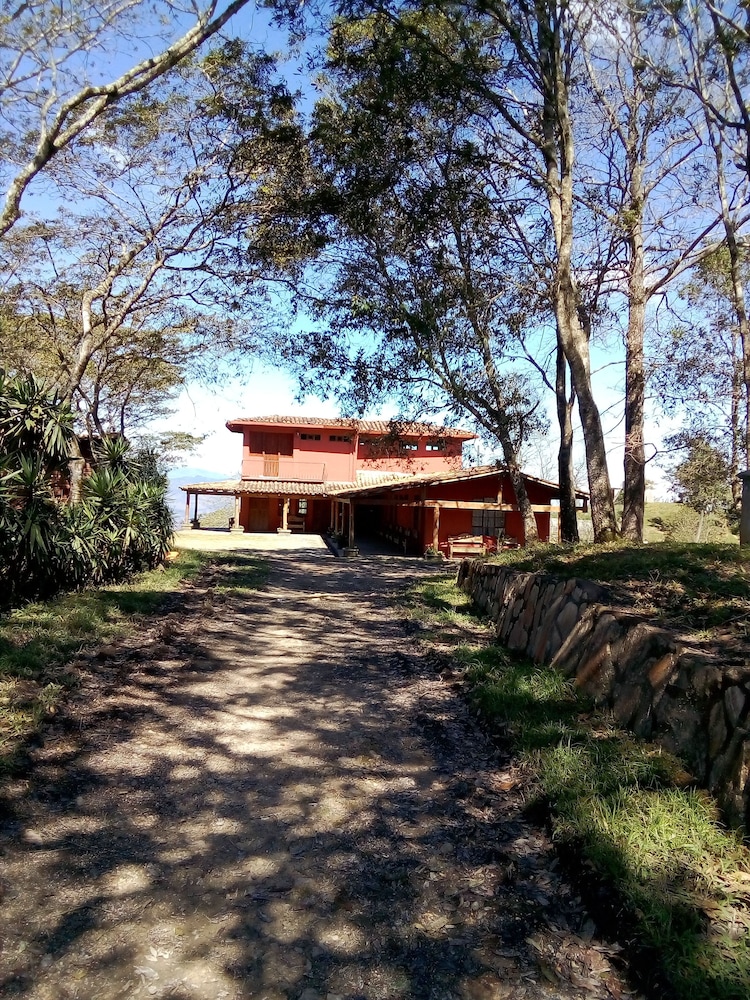
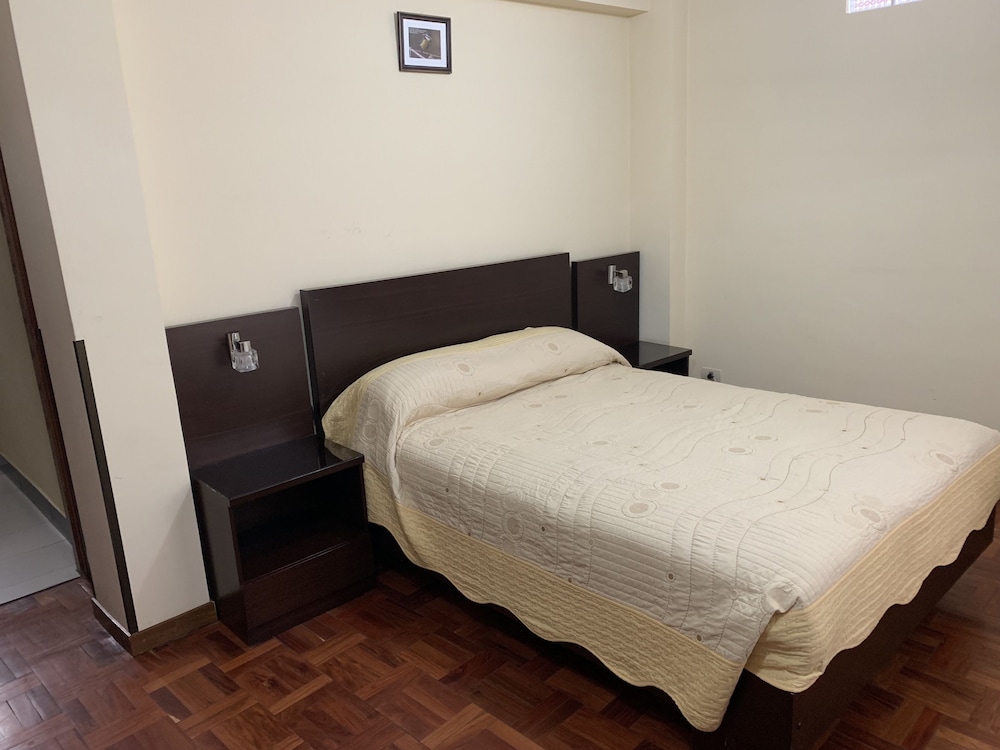
Every hotel we cover in Santa Elena
- La Casona Hotel Boutique 3★ · 4.3/5 · 9813 km away
- Residencial Alta Vista 3★ · 4.1/5 · 9813 km away
- Lobo Hostel La Paz 1★ · 9813 km away
More things to do
All things to do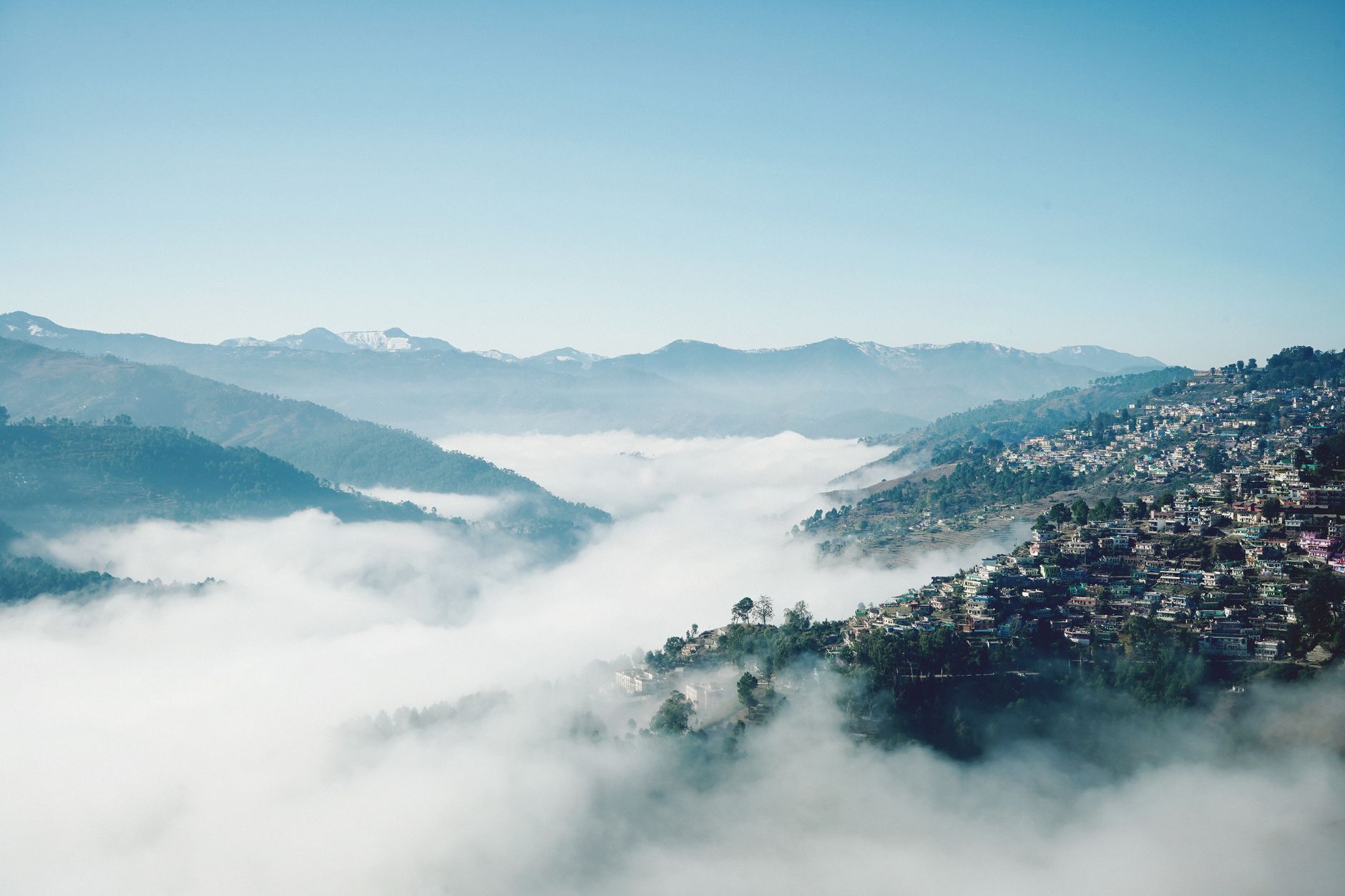


From the journal
All posts Comparisons & rankings
Best budget hotels in La Paz, Honduras under $50 a night
Comparisons & rankings
Best budget hotels in La Paz, Honduras under $50 a night
Almost every bed in La Paz department sits under $50, so the real question is what separates a $18 room off the parque central from a $42 one with hot water, parking and a door that locks properly.
 Comparisons & rankings
Hotels with free parking in La Paz, Honduras, ranked
Comparisons & rankings
Hotels with free parking in La Paz, Honduras, ranked
Nine kinds of stay across the department scored on secure overnight parking, from gated courtyards in the centre at $28 to highway forecourts at $45 with a night watchman.
 Comparisons & rankings
Family-friendly hotels in La Paz, Honduras, ranked
Comparisons & rankings
Family-friendly hotels in La Paz, Honduras, ranked
Eight stay types across the department judged on triple rooms, cooling, food within walking distance and whether the kids will last the two-hour drive to Marcala, with rates from $22 to $48.