Día de Mercado, Guajiquiro
A small Lenca highland market on a plaza at 1,800 metres, where the potatoes, beans and blankets change hands before the cloud comes down.
 Village market morning on the plaza at Guajiquiro high in the Lenca highlands of La Paz
What to expect at Día de Mercado, Guajiquiro
Guajiquiro is one of the highest and most traditionally Lenca municipalities in La Paz, strung along ridges above 1,700 metres with cloud forest on the summits and a patchwork of potato, bean and vegetable plots on the slopes. Its market is not a hall and not a fixed institution with a timetable; it is a village trading morning that gathers on and around the plaza, strongest at the weekend and on the days when growers bring produce down from the surrounding caserios. This is the opposite of a tourist market. What is sold is what people need — seed potatoes, beans, coffee, cabbage, eggs, thick woollen blankets against the cold, batteries, rubber boots — and what makes it worth the journey is the setting and the people, not the merchandise.
A visit is short and it is walked. The plaza and the church anchor everything; sellers spread mats and crates along the frontage, with a handful of permanent pulperías selling soap, sugar, cooking oil and cold sodas from a fridge. Produce is the star: Guajiquiro potatoes have a reputation across the department, and you will see them in fifty-pound sacks going onto pickups bound for La Paz and Comayagua. Look for cuajada wrapped in leaves, panela, and roasted coffee sold in reused bags. One or two comedores or private kitchens serve a plate of beans, eggs, cuajada and tortillas for a couple of dollars if you ask. By 11:00 the trade has thinned, the pickups have gone and the plaza returns to being a quiet mountain square with an extraordinary view.
Plan it as an early half-day out of La Paz Centro and accept that you are the visitor here. Come on a weekend morning for the fullest trading. Dress for altitude: Guajiquiro is cold at dawn, often under 12C, and mist can arrive at any hour. Carry small notes; there is no ATM in the village and nothing takes cards. A few words of Spanish go a long way and are essentially required. Ask before photographing anyone — this is a Lenca community with a long, complicated history with outsiders, and permission matters more than a picture. Do not plan a full day of sightseeing here; the market is an hour, and the reason to stay longer is the walking country around the village.
Getting there is the hard part and the good part. From La Paz Centro, buses and pickup colectivos leave in the early morning — typically between 6:00 and 9:00 — and take roughly 2 hours for around $2-$3 on a mountain road that is paved in stretches and rough in others. Crucially, return services run back to La Paz in the late morning and early afternoon and then stop, so check the return time with the driver before you get out. Drivers need a high-clearance vehicle, ideally 4x4 in the rains, and should allow 1.5-2 hours from La Paz for about 40 kilometres. There is no formal car park; you leave the vehicle on the plaza. Do not attempt the road in the dark or in heavy rain without local advice.
There is nothing to pay to be here. Costs are minimal and entirely optional: a plate of food at a village kitchen is about $2-$3, a soda or coffee under $1, a pound of Guajiquiro potatoes a matter of cents, and a woollen blanket, when they are being sold, roughly $10-$20. Transport is the real expense — $2-$3 each way by colectivo, or more if you hire a pickup outright, which locals will sometimes do for around $30-$50 for a day depending on the route and the fuel. There is no entry fee, no guide fee and no organised tour, though asking at the alcaldía about walking routes into the cloud forest above the village is a reasonable thing to do and normally free.
Timing is unforgiving. Aim to arrive between 7:00 and 9:00; by 11:00 the market is over, and by mid-afternoon you may struggle to get back down. Weekends are busiest. Seasonally, the dry months from December through April give the clearest roads, the coldest dawns and long views over the ridges; the rains from June to October make the road slow and the plaza muddy, and mist can shut the view down completely by 10:00. The harvest months around November to January bring the most produce and the most movement of trucks. Sunday morning combines the market with the church service, which is the single busiest moment of the village week and the most interesting hour to be on the plaza.
It suits travellers who want the highland Lenca La Paz rather than the postcard, walkers using the village as a launch point into the high country, and anyone genuinely interested in mountain agriculture. It does not suit visitors on a tight schedule, anyone dependent on comfortable transport, or those who need reliable toilets, cafés and signage — none of which exist in quantity. Wheelchair access is effectively nil: steep, uneven, unpaved. Families with older children who cope with a two-hour bumpy ride will enjoy it; with toddlers it is a long day for little payoff. If it is raining hard, postpone: the road, not the market, is the deciding factor.
Once the market fades, the point of Guajiquiro is what surrounds it — the high ridges, the pine and cloud forest, the viewpoints over the department, and the walking tracks that leave from the village towards the summits. Ask locally before setting off, take water, and be back before the afternoon cloud. Combined with the drive itself, that makes a satisfying day out of La Paz Centro, and the neighbouring highland municipalities of Opatoro and Yarula lie further along the same mountain roads for anyone with their own vehicle and time. Honest expectations are everything here: this is a small village trading morning, not a craft fair, there are no Lenca textiles laid out for tourists, and the whole visit may take you less time than the bus ride up. Come for the altitude, the courtesy and the potatoes.
Questions about Día de Mercado, Guajiquiro
Nothing to attend. The market is a village trading morning on a public plaza with no entry fee, no guide charge and no tourist pricing. Your real cost is transport: roughly $2-$3 each way on a colectivo or bus from La Paz Centro, or considerably more if you hire a pickup for the day, which locals may do for around $30-$50 depending on route and fuel. Food from a village kitchen is $2-$3, a soda under $1. Bring small notes; there is no ATM in Guajiquiro.
All of it is free, at every hour, but the market only exists for a few hours a day. The useful window is roughly 6:00 to 11:00, strongest at the weekend and on Sunday morning when the church service pulls the whole village onto the plaza. Arrive after 11:00 and there is nothing to see but a quiet square, so no amount of flexibility with hours helps. The view from the ridge above the village, however, is worth any hour you are there.
The market itself is an hour, perhaps two if you eat and talk to people. The journey is the commitment: two hours up from La Paz Centro and two hours back on a mountain road, which turns the visit into a half or full day. Most visitors combine the market with a walk on the ridges above the village or a drive on towards Opatoro, which fills the time between the end of trading and the last transport down the mountain.
There is no covered market open daily — trading gathers on the plaza in the morning and is strongest at weekends, particularly Sunday. On quiet weekdays you may find only the permanent pulperías and a handful of sellers. Public holidays, heavy rain and the days around Semana Santa all disrupt it, sometimes cancelling the gathering entirely. Village shops keep roughly Monday to Saturday 7:00-18:00 and Sunday mornings, so you can always buy water and biscuits even on a flat day.
Nothing can be booked. What you should arrange in advance is transport: confirm with your La Paz guesthouse the morning departure time for Guajiquiro colectivos, and confirm the return time with the driver as you arrive, because services dry up in the early afternoon. If you want to walk in the high forest above the village, ask at the alcaldía on the plaza first; local guidance is usually offered informally and a tip of $10-$15 for a few hours is fair.
On the plaza itself — Guajiquiro is small enough that the plaza is the terminus, the market and the centre all at once. Services leave La Paz Centro's terminal in the early morning, typically between 6:00 and 9:00, and take about two hours for $2-$3 on a partly paved mountain road. Drivers should allow 1.5-2 hours for the 40-odd kilometres, use high clearance, and park on the plaza; there is no formal car park anywhere in the village.
Hotels near Día de Mercado, Guajiquiro
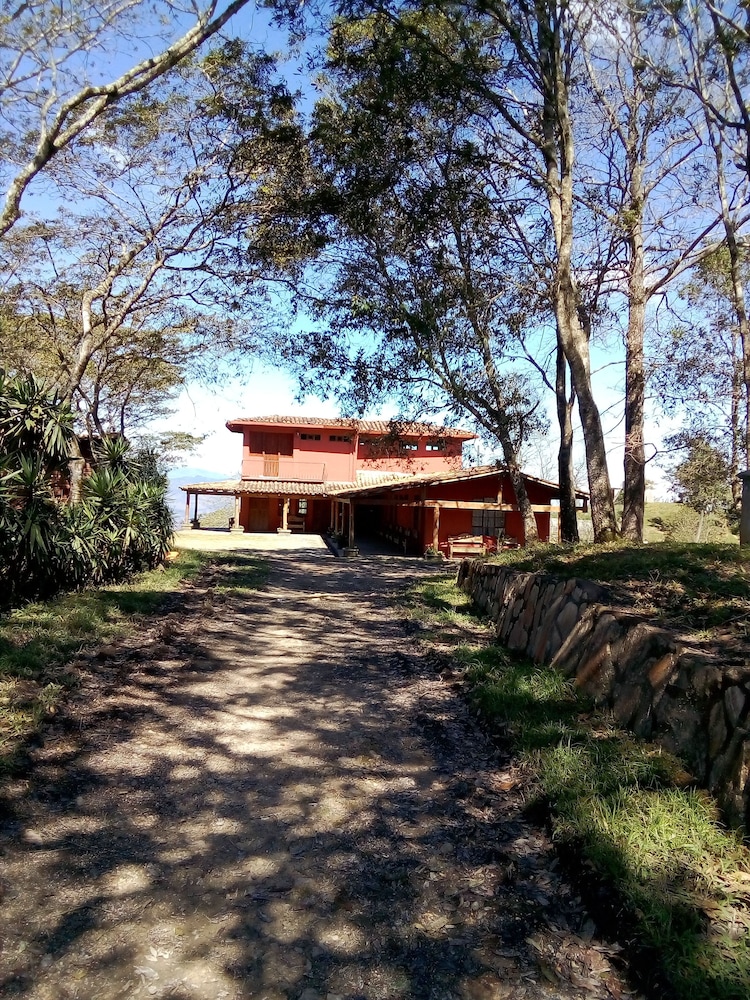
Every hotel we cover in Guajiquiro
- Hotel Montecillos 3★ · 4.7/5 · 12 km away
- Hotel Soliman 2★ · 18 km away
- Diesbu Hotel 20 km away
- Met Hotel 5★ · 4.7/5 · 9776 km away
- Casa Grande Hotel 5★ · 4.6/5 · 9776 km away
- Hotel Mitru Sur 4★ · 4.6/5 · 9776 km away
- Suites Camino Real 4★ · 4.6/5 · 9776 km away
- Stannum Boutique Hotel & Spa 4★ · 4.5/5 · 9776 km away
- Hotel Rennova 3★ · 4.5/5 · 9776 km away
- Atix Hotel a Member of Design Hotels 5★ · 4.4/5 · 9776 km away
- Ritz Apart Hotel 4★ · 4.4/5 · 9776 km away
- Hotel Presidente 5★ · 4.3/5 · 9776 km away
- Casa Fusion Hotel Boutique 4★ · 4.3/5 · 9776 km away
- Hualimei Hotel 4★ · 4.3/5 · 9776 km away
- La Casona Hotel Boutique 3★ · 4.3/5 · 9776 km away
- Madero Hotel & Suites 4★ · 4.2/5 · 9776 km away
- Las Brisas 3★ · 4.2/5 · 9776 km away
- Residencial Alta Vista 3★ · 4.1/5 · 9776 km away
- Hotel Gran Aurum 2★ · 4.1/5 · 9776 km away
- Hotel Sagarnaga 3★ · 4/5 · 9776 km away
- Hotel Rey Palace 4★ · 3.9/5 · 9776 km away
- Panamerican Hotel 3★ · 3.8/5 · 9776 km away
- Casa Grande Suites 5★ · 9776 km away
- Casa Grande Express 3★ · 9776 km away
More things to do
All things to do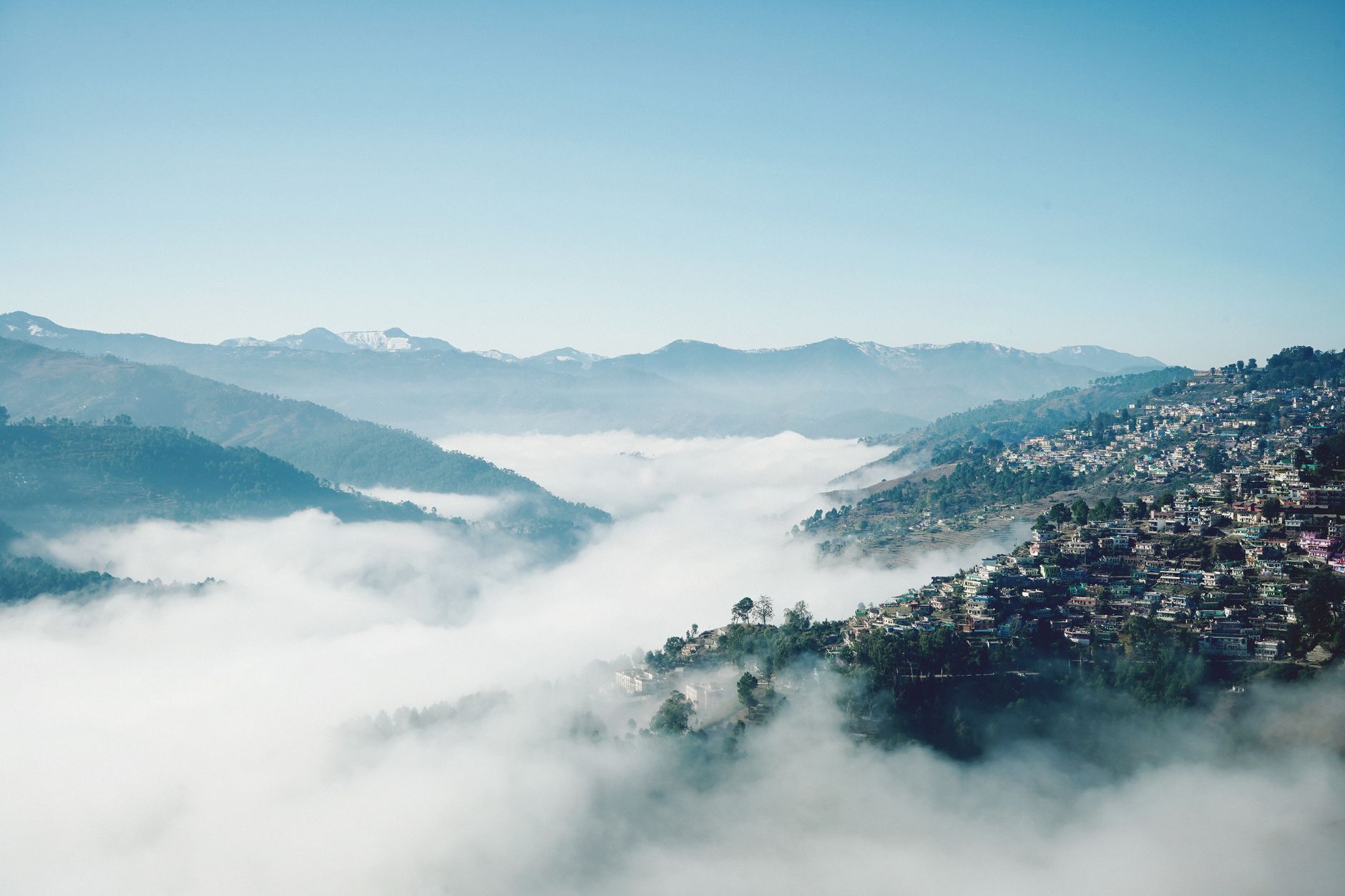


From the journal
All posts Comparisons & rankings
Best budget hotels in La Paz, Honduras under $50 a night
Comparisons & rankings
Best budget hotels in La Paz, Honduras under $50 a night
Almost every bed in La Paz department sits under $50, so the real question is what separates a $18 room off the parque central from a $42 one with hot water, parking and a door that locks properly.
 Comparisons & rankings
Hotels with free parking in La Paz, Honduras, ranked
Comparisons & rankings
Hotels with free parking in La Paz, Honduras, ranked
Nine kinds of stay across the department scored on secure overnight parking, from gated courtyards in the centre at $28 to highway forecourts at $45 with a night watchman.
 Comparisons & rankings
Family-friendly hotels in La Paz, Honduras, ranked
Comparisons & rankings
Family-friendly hotels in La Paz, Honduras, ranked
Eight stay types across the department judged on triple rooms, cooling, food within walking distance and whether the kids will last the two-hour drive to Marcala, with rates from $22 to $48.