Reserva Biológica Guajiquiro
High, cold, cloud-fed forest on the Opatoro and Guajiquiro ridges, where Lenca farming country runs straight into the water source for half the department.
 Cloud-touched pine and broadleaf forest ridge in the Guajiquiro biological reserve
What to expect at Reserva Biológica Guajiquiro
The Reserva Biológica Guajiquiro protects one of the highest and wettest blocks of forest in the department of La Paz, straddling the mountains above the municipalities of Guajiquiro and Opatoro. It was declared in the late 1980s as part of the national push to safeguard cloud forest water sources, and its job is hydrological before it is recreational: the streams that rise on these ridges supply villages far down the slope. The forest changes as you climb, from pine and oak on the drier flanks into dense, dripping broadleaf with tree ferns, bromeliads and moss at the top, where cloud sits for much of the year. It is Lenca country, farmed in patches to the very edge of the protected area, and any honest description of the reserve includes the pressure that farming puts on it. There is no gate, no ticket and no visitor centre.
Walking here is old-fashioned and largely unsignposted. Routes follow farm tracks, water-pipe lines and footpaths used by people going about their day, climbing from village level through coffee, maize and pasture into the forest edge. The transition is abrupt and memorable: within a few hundred metres you go from open, sunlit slope to a green, quiet, dripping interior where the light drops and the temperature falls several degrees. Birdlife is the draw for many visitors, with cloud-forest species that are hard to find lower down, and the quetzal is reported here though never guaranteed. Views from the ridge shoulders on a clear morning run east across the highlands and, on rare days, far towards the Pacific plain. There are no huts, no marked loops, no toilets and no drinking water you should trust untreated.
Plan it as a proper mountain day. Go with a local guide arranged in Guajiquiro or Opatoro through the municipal office or your accommodation, because paths cross private land, forks are unmarked and cloud can drop visibility to a few metres within minutes. Take waterproofs whatever the season, warm layers because the summit air is genuinely cold, boots, food and at least two litres of water. Start early: cloud usually builds through the morning and the clear window is between roughly 6:30 and 10:00. Do not plan a same-day return to La Paz Centro unless you have your own vehicle, because bus timings will strand you. Two nights in a simple village guesthouse or a hotel in La Paz Centro under $50 make far better sense than an exhausting dash.
Getting there is the hard part. From La Paz Centro, buses head south towards Opatoro and Guajiquiro from the terminal, a slow two to three hours on mountain road for roughly $3-4, with limited departures concentrated in the early morning and midday, and the last return generally in the early afternoon. Check the timetable the day before, because a missed bus here means a night you had not planned. By car the same route takes two to two and a half hours and needs decent ground clearance beyond the paved sections; in the wet season a 4x4 is not optional. From the villages you either walk from the plaza, gaining altitude immediately, or arrange a pickup to a higher trailhead for $10-20 depending on how far up the track is passable.
Entry costs nothing: this is a protected area with no admission charge, no ticket booth and no concessions. The money you spend is on people and transport. A local guide for the day runs roughly $15-25 for a small group and is money well spent; a pickup to a high trailhead and back is $10-20; the bus from La Paz is about $3-4 each way. Food is what you buy in the village shops or the comedor on the plaza, $3-5 a plate, and there is nothing at all to buy once you are on the mountain. Simple rooms in Guajiquiro and Opatoro, where they exist, are basic and cheap, and La Paz Centro offers a wider choice of beds well under $50 a night.
Season and hour both matter. The dry months, roughly December to April, give the firmest paths and the highest chance of a clear ridge, with January and February cold enough at dawn for frost on the tops. From June to October the reserve does what cloud forest does: rain, mud, leeches of the psychological kind for the unprepared, and trails that stop being trails. Even in the dry season the mornings are the point; by early afternoon the cloud has usually rolled in and the views have gone. Weekends are marginally busier in the villages and no busier on the mountain. Around Semana Santa and the local patron saint festivities transport becomes crowded and unpredictable, which affects getting there far more than being there.
This suits experienced walkers, birdwatchers, and travellers who want the highlands of La Paz without any packaging at all. It is a poor choice for wheelchair users, for anyone who needs marked trails and signage, for small children, and for visitors with only a spare afternoon. There is no gentle version: even a short outing involves steep, rough ground at altitude. If the weather has been wet for a week, skip it and do something in Marcala or the town of La Paz instead. Anyone travelling without Spanish should arrange the guide through their accommodation rather than trying to negotiate on the plaza, because English is genuinely rare in these two municipalities.
Nearby, the villages themselves are the other half of the day: Guajiquiro and Opatoro are strongly Lenca communities with their own rhythm, plazas, churches and market days, and half an hour spent there is not wasted. The high country continues north towards Cerro Guajiquiro and Cerro Cangual, which other visitors reach from the same road, and Santa María and San José sit on the routes back towards La Paz Centro. The honest caveats: there are no facilities of any kind, the reserve boundaries are not obvious on the ground, deforestation is visible at the edges and disappoints people expecting pristine wilderness, cloud will hide the view more often than not, and the quetzal that appears in every description is a lucky sighting rather than an itinerary item.
Questions about Reserva Biológica Guajiquiro
Entry is free: the reserve has no gate, ticket or admission charge of any kind. Your budget goes on logistics, roughly $3-4 each way on the bus from La Paz to Opatoro or Guajiquiro, $15-25 for a local guide for the day, and $10-20 if you hire a pickup to a higher trailhead. Food from a village comedor is $3-5. Nothing is sold on the mountain, so buy everything before you start walking.
Yes. There is no charge at any hour or on any date, because there is no infrastructure to charge for: no booth, no barrier, no ranger station on the visitor routes. What is not free is doing it properly. Walking unguided on unmarked paths that cross private farmland is how visitors get lost or turned back, and a guide at $15-25 for the group is the single best thing to spend money on here.
A full day from the villages, and two days if you are coming from La Paz Centro. Walking from village level to the forest and back is typically five to seven hours depending on the route and how high the pickup can drop you. Add two to three hours of bus travel each way from La Paz. Trying to see the reserve and return to La Paz Centro the same day by public transport is not realistic outside a private vehicle.
No, the reserve has no opening hours and no closing day. In practice it closes itself: sustained rain between June and October makes the tracks impassable and the paths dangerous, and guides will refuse. Walking is daylight only, and in cloud forest the usable window is often 6:30 to about 11:00 before visibility drops. Village transport also thins on Sundays and around local festivals, which can effectively close the trip for a day.
There is nothing to book for entry, but arrange the guide and any pickup a day ahead through the municipal office in Guajiquiro or Opatoro or through your accommodation in La Paz. If you are staying in a budget hotel in La Paz Centro, the reception can usually make the call. Also confirm bus departure times in person at the terminal the day before, since posted schedules and reality do not always match on these mountain routes.
The plazas of Guajiquiro and Opatoro are the practical trailheads and the ends of the bus line, reached from the La Paz terminal in two to three hours for about $3-4 with departures concentrated early and around midday. There is no transport inside the reserve. Drivers park in the villages or at the last passable point on the farm tracks; from either, the walking starts immediately and climbs from the first step.
Hotels near Reserva Biológica Guajiquiro
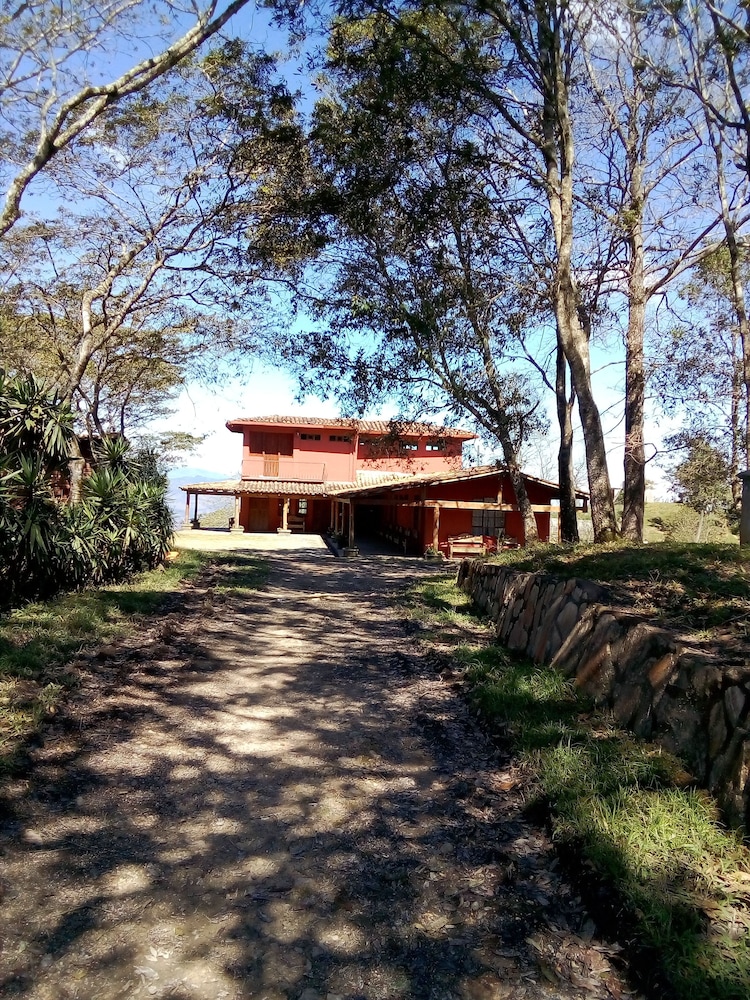
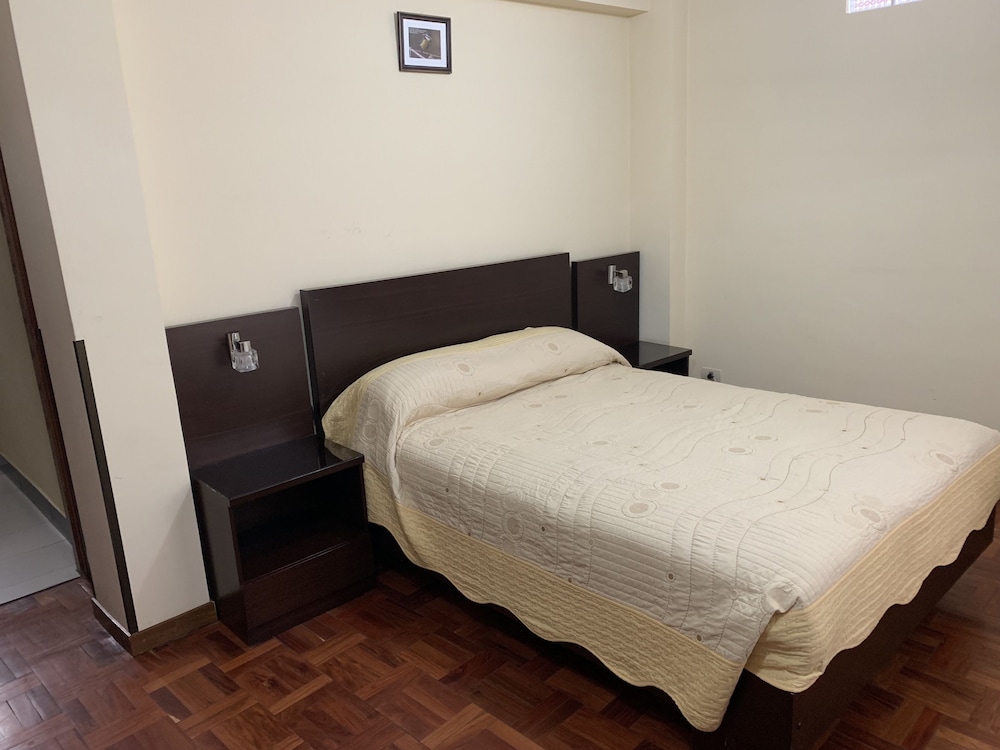
Every hotel we cover in Opatoro
- Hotel Montecillos 3★ · 4.7/5 · 26 km away
- Hotel Soliman 2★ · 29 km away
- Diesbu Hotel 31 km away
- Met Hotel 5★ · 4.7/5 · 9766 km away
- Casa Grande Hotel 5★ · 4.6/5 · 9766 km away
- Hotel Mitru Sur 4★ · 4.6/5 · 9766 km away
- Suites Camino Real 4★ · 4.6/5 · 9766 km away
- Stannum Boutique Hotel & Spa 4★ · 4.5/5 · 9766 km away
- Hotel Rennova 3★ · 4.5/5 · 9766 km away
- Atix Hotel a Member of Design Hotels 5★ · 4.4/5 · 9766 km away
- Ritz Apart Hotel 4★ · 4.4/5 · 9766 km away
- Hotel Presidente 5★ · 4.3/5 · 9766 km away
- Casa Fusion Hotel Boutique 4★ · 4.3/5 · 9766 km away
- Hualimei Hotel 4★ · 4.3/5 · 9766 km away
- La Casona Hotel Boutique 3★ · 4.3/5 · 9766 km away
- Madero Hotel & Suites 4★ · 4.2/5 · 9766 km away
- Las Brisas 3★ · 4.2/5 · 9766 km away
- Residencial Alta Vista 3★ · 4.1/5 · 9766 km away
- Hotel Gran Aurum 2★ · 4.1/5 · 9766 km away
- Hotel Sagarnaga 3★ · 4/5 · 9766 km away
- Hotel Rey Palace 4★ · 3.9/5 · 9766 km away
- Panamerican Hotel 3★ · 3.8/5 · 9766 km away
- Casa Grande Suites 5★ · 9766 km away
- Casa Grande Express 3★ · 9766 km away
More things to do
All things to do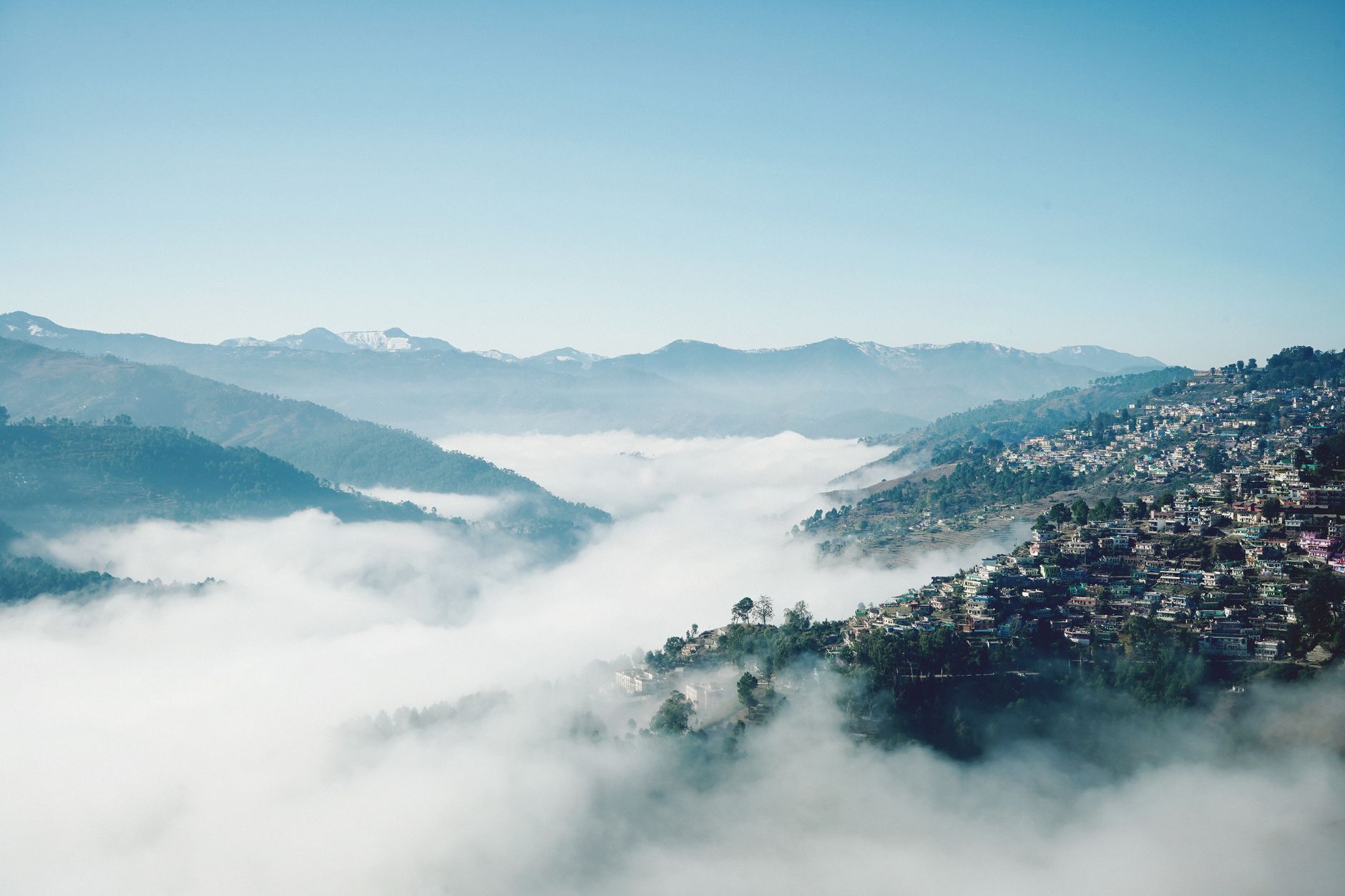


From the journal
All posts Comparisons & rankings
Best budget hotels in La Paz, Honduras under $50 a night
Comparisons & rankings
Best budget hotels in La Paz, Honduras under $50 a night
Almost every bed in La Paz department sits under $50, so the real question is what separates a $18 room off the parque central from a $42 one with hot water, parking and a door that locks properly.
 Comparisons & rankings
Hotels with free parking in La Paz, Honduras, ranked
Comparisons & rankings
Hotels with free parking in La Paz, Honduras, ranked
Nine kinds of stay across the department scored on secure overnight parking, from gated courtyards in the centre at $28 to highway forecourts at $45 with a night watchman.
 Comparisons & rankings
Family-friendly hotels in La Paz, Honduras, ranked
Comparisons & rankings
Family-friendly hotels in La Paz, Honduras, ranked
Eight stay types across the department judged on triple rooms, cooling, food within walking distance and whether the kids will last the two-hour drive to Marcala, with rates from $22 to $48.